How Do Wastewater Pumps Work?

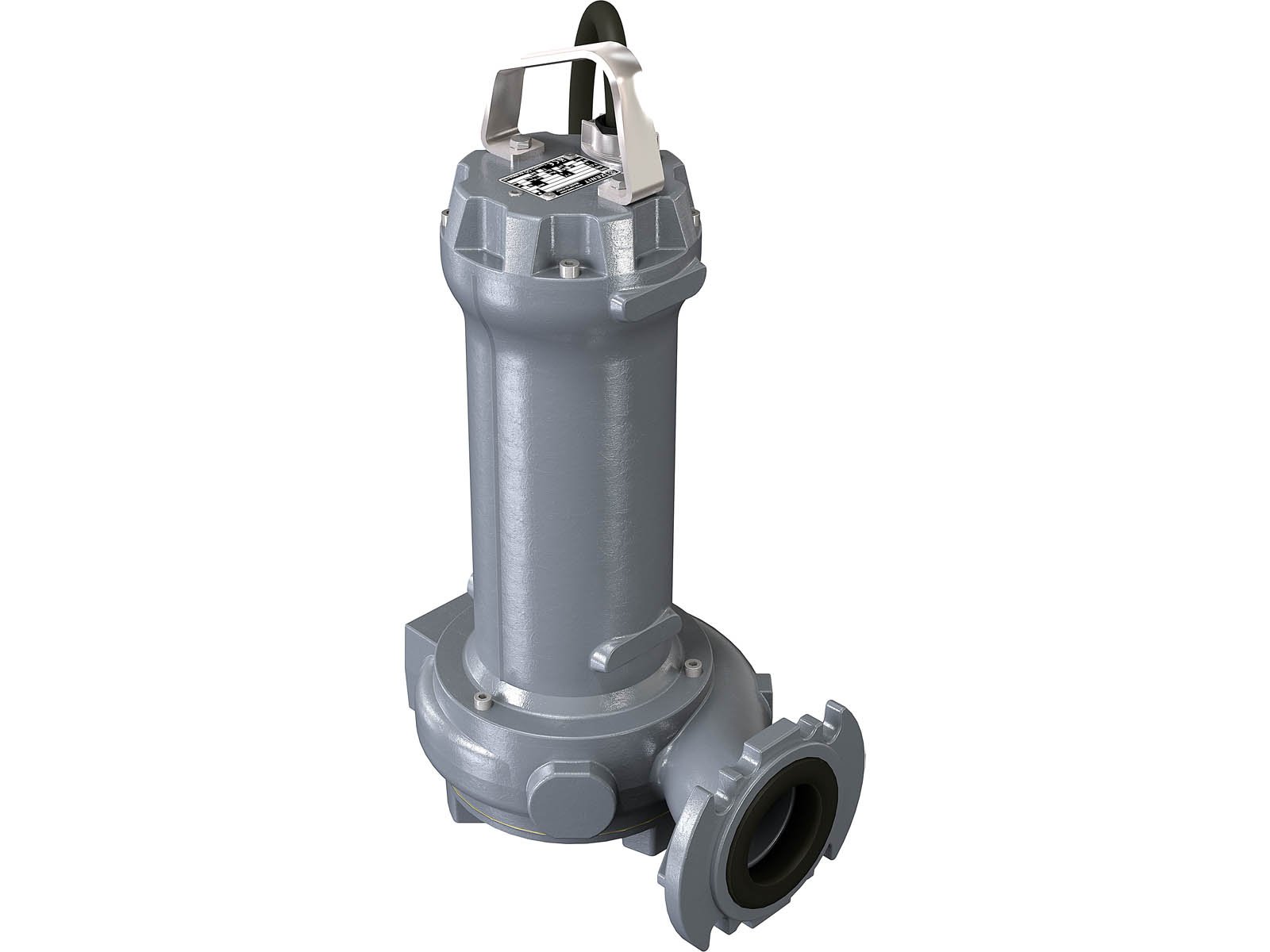
The pump type that provides the transfer of wastewater is called a "wastewater pump." These pumps are also referred to as "sewage pumps" or "septic pumps."

What is Wastewater?

Used and contaminated water is called "wastewater." This contamination can result from domestic, industrial, and commercial uses, as well as surface runoff and rainwater. Wastewater may contain physical, chemical, and biological pollutants. Wastewater discharged to the natural environment without treatment causes serious water pollution. Water pollution poses a major threat to both aquatic life and human health. Therefore, wastewater treatment is mandatory for environmental sustainability.

What is a Wastewater Pump?

Wastewater may contain dense amounts of solid particles, organic and inorganic compounds. Therefore, wastewater pumps have wider free passage openings compared to other pump types. These pumps, which do not have self-priming features, are generally operated submerged in wastewater. For this reason, they are also known as "submersible pumps" in literature. Additionally, dry-type operating models supported by cooling jackets are also available.

Where Are Wastewater Pumps Used?

Lift Centers

  • Used as lift pumps that enable the transport of wastewater.

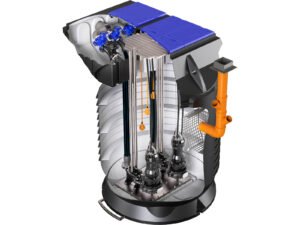
Package Lift Stations

  • Provides reliable solutions for wastewater transfer in compact systems.

Flood and Emergency Applications

  • Serves as mobile flood pumps or water drainage pumps.

Tank Emptying Systems

  • Used as tank emptying pumps at the bottom sections of tanks or process units.

Sewerage and Light Contaminated Water Applications

  • As sewerage pumps, ensures safe discharge of contaminated water.

Rainwater and Drainage Systems

  • Serves as ideal basic drainage pumps for rainwater drainage and building infrastructure applications.

How to Select a Wastewater Pump?

Wastewater pump selection is made according to basic centrifugal pump principles. First, the amount of wastewater to be transferred (flow rate) is determined.

Then, where the wastewater will be conveyed is determined, and accordingly, the head losses occurring in the system are calculated.

Whether the pump meets the required flow rate and head loss values is analyzed through performance curves. Appropriate pump selection is made as a result of these evaluations.

Impeller and Installation Types of Wastewater Pumps

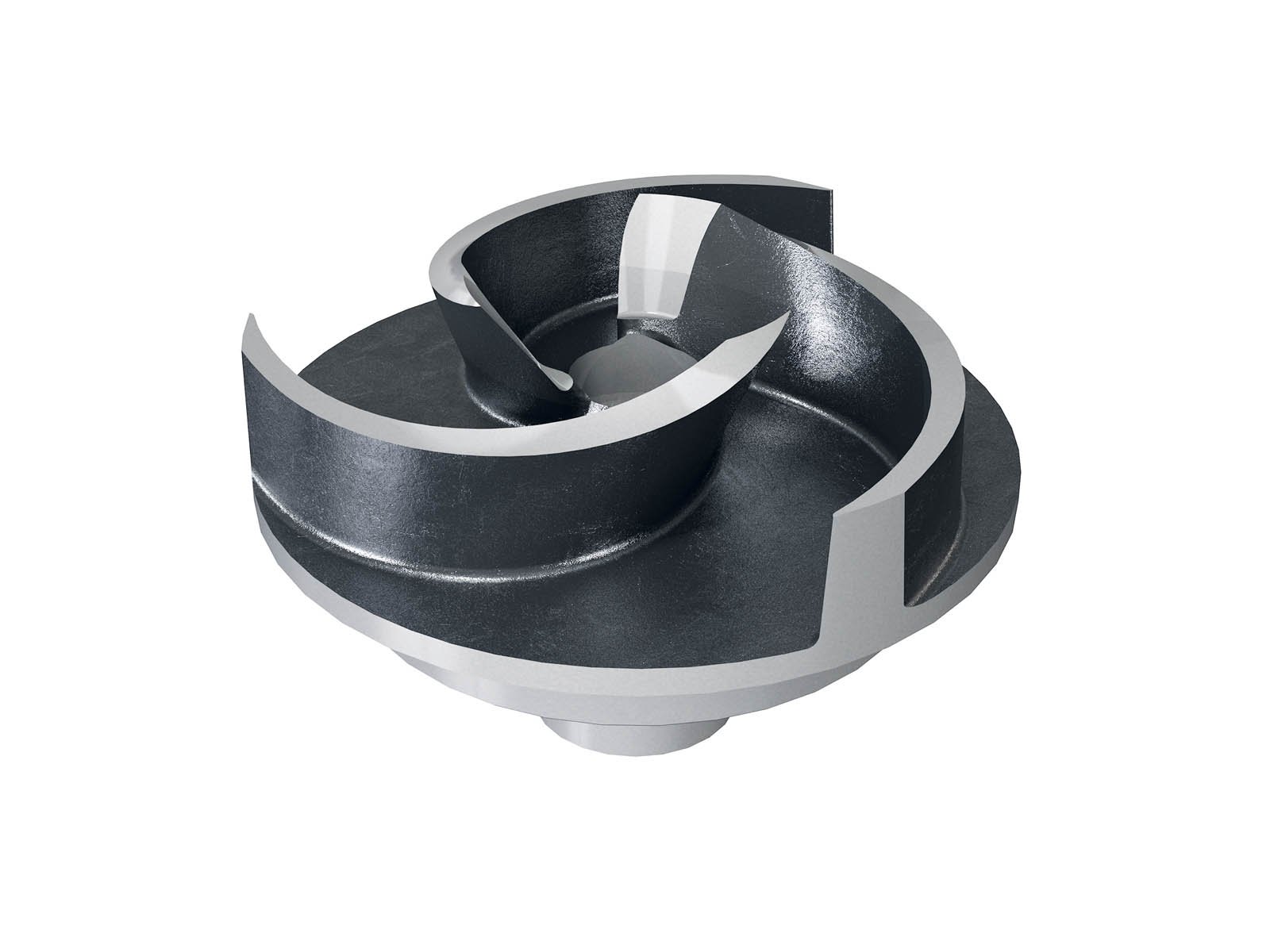
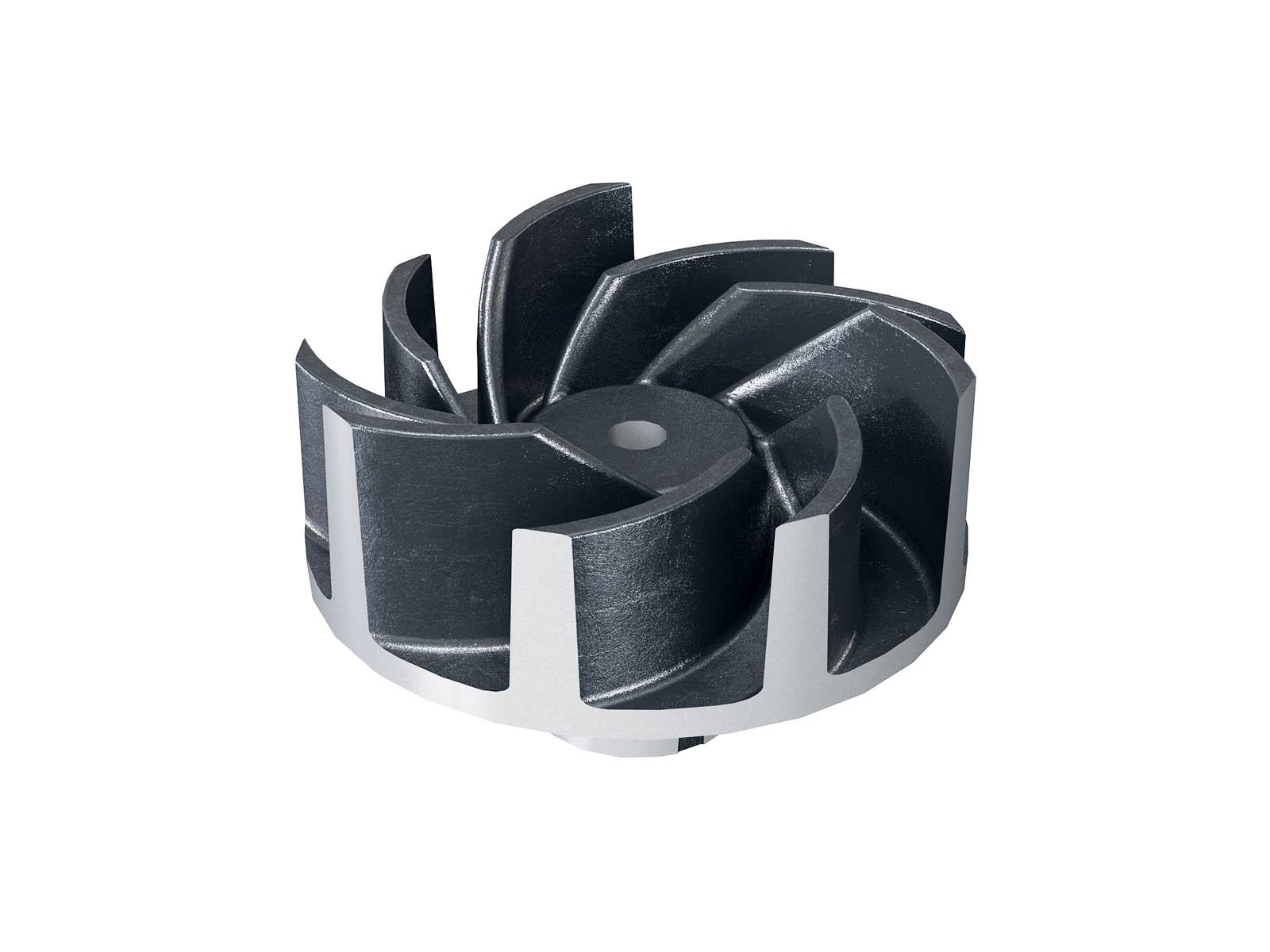
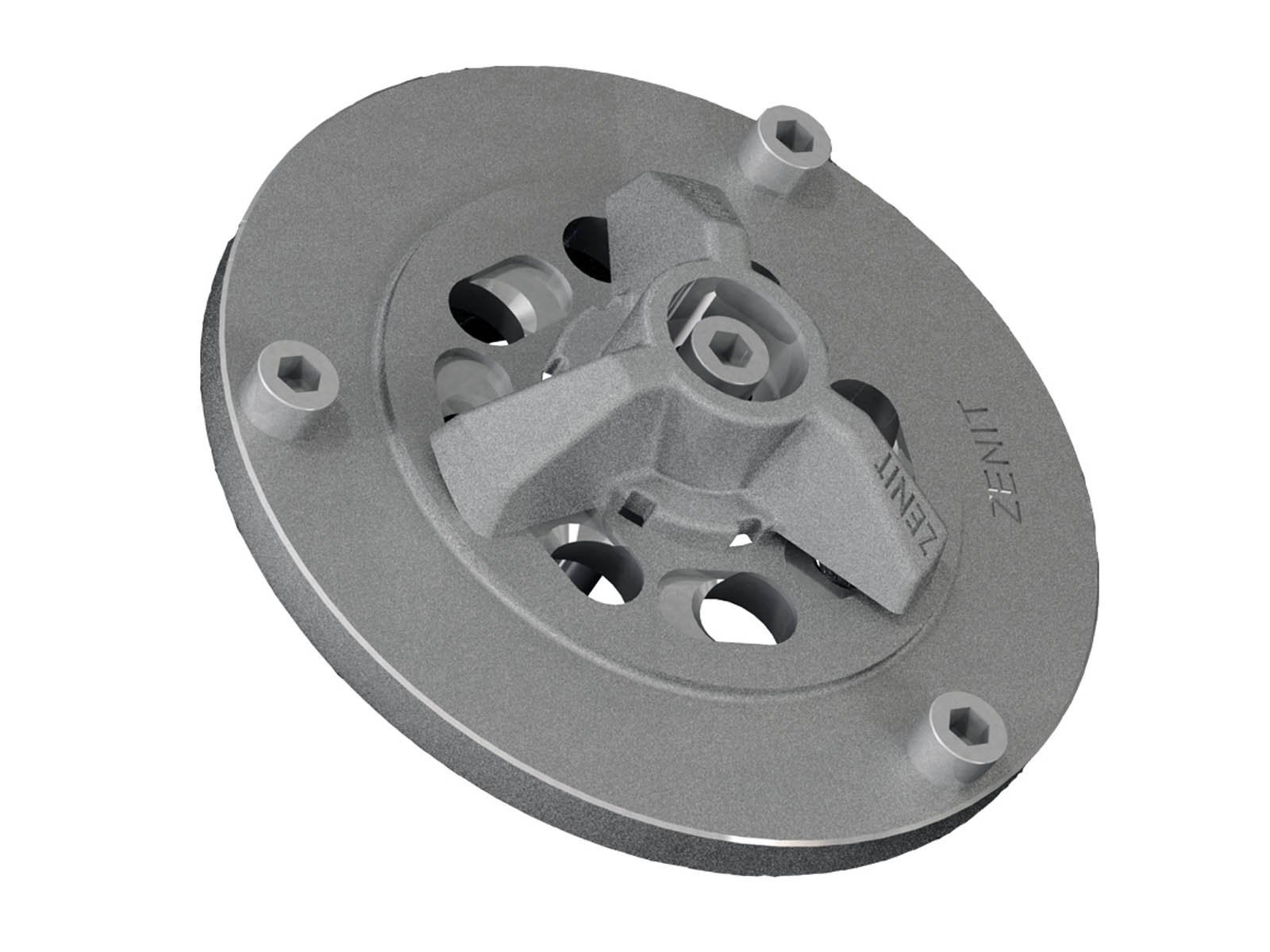
Since the content of wastewater is quite variable, different impeller types have been developed suitable for different contaminants:

For fibrous and stringy wastewater: Grinder blade impeller

For wastewater containing dense solid particles: Cutting blade impeller

For abrasive content containing sand, oil, and foamy wastewater: Vortex impeller

For high flow domestic wastewater with balanced particle content: Open channel impeller

For applications requiring very high lift: High-pressure impeller

Additionally, wastewater pumps can be installed in three different ways:

Submersible rail system installation (in lift centers or inside tanks)

Installation with portable free-standing base

Installation with dry-type vertical or horizontal mounting bases