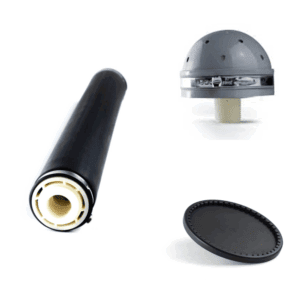
How Do Diffusers Work?

In diffused aeration, oxygen is mixed with wastewater, allowing anaerobic bacteria to break down biological solid particles in the water.

What is Aeration?

In diffused aeration, oxygen is mixed with wastewater, allowing anaerobic bacteria to break down biological solid particles in the water. During this process, air is introduced into the water, which improves the biological treatment process by increasing the dissolved oxygen content of the wastewater.

This method allows substances that create taste and odor, gases, metals such as iron, and other pollutants to be removed from the water.

How Does Diffused Aeration Work?

In this process, compressed air produced by the aeration blower is passed through diffusers, creating bubbles under the surface of the wastewater.

✔ Bacteria are continuously supplied with oxygen, allowing them to break down solids in the water.

✔ As oxygen bubbles rise to the surface of the water, they mix with the water, increasing the dissolved oxygen content of the wastewater.

✔ This increase in oxygen keeps the bacteria suspended in the water, allowing for a more effective breakdown of solids.

Types of Diffused Aeration Systems

Diffused aeration systems are divided into 2 main types:

Fine Bubble Aeration System

  • Provides high-efficiency oxygen transfer.
  • More commonly preferred in biological treatment processes.
  • Ideal for applications with maximum ventilation requirements.

Coarse Bubble Aeration System

  • Increases the amount of dissolved oxygen in wastewater by creating larger bubbles.
  • Has a higher mixing capacity, keeping sediments suspended in the water.
  • More suitable for applications focused on increasing dissolved oxygen levels.