ARPIT

ARPIT Package Lift Stations

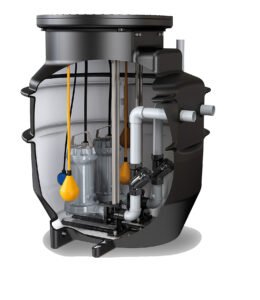
In areas where wastewater cannot be transported by gravity, ARPIT package lift stations provide reliable, long-lasting, and energy-efficient solutions. These systems developed by Arpon Industrial are used in a wide variety of applications from municipalities to organized industrial zones, from industrial facilities to tourist complexes, with their compact structure, high-quality equipment, and intelligent control technologies.

Each ARPIT station is a fully integrated package manufactured from environmentally compatible materials, enabling rapid on-site installation and providing ease of maintenance. This maximizes both operational safety and energy savings.

ARPIT package lift stations developed by Arpon Industrial offer compact, energy-efficient, and long-lasting solutions for modern infrastructure systems. Each ARPIT station is the result of Arpon's over 20 years of engineering experience, from design to commissioning. Its prefabricated, fully integrated structure enables rapid on-site installation; with intelligent sensors, reliable high-efficiency pumps, and SCADA-compatible control panels, it maximizes energy efficiency. Production and assembly processes are carried out within Arpon's quality standards framework. All stations undergo mechanical, electrical, and hydraulic testing before commissioning, thus guaranteeing long service life and high operational safety.

ARPIT offers "Sustainable Solutions, Strong Performance" in wastewater management with its innovative engineering, environmentally friendly design, and domestic production strength.

How Do Wastewater Pumps Work?

The pump type that provides the transfer of wastewater is called a "wastewater pump." These pumps are also referred to as "sewage pumps" or "septic pumps."

Why ARPIT Package Lift Stations?

Durable and compact design
Provides corrosion-resistant, leak-proof, and long-lasting use thanks to GRP or HDPE body structure.

Energy-efficient and intelligent operation
Offers energy savings, remote monitoring, and easy maintenance with frequency inverter-compatible control systems.

Engineering solution suitable for every project
Designed specifically for different capacities and applications from municipal infrastructure to industrial facilities.

"All-in-one package solutions"

Application Areas

ARPIT lift stations come into operation when gravity transport of wastewater is not possible and are effectively used in the following areas:

  • Municipal and infrastructure projects: Transfer of wastewater from low-elevation areas to treatment plants
  • Residential and housing projects: Safe wastewater discharge in multi-story buildings and mass housing areas
  • Industrial facilities: Transfer of process and wastewater from production processes
  • Tourism facilities: Silent, reliable operation advantage in hotels, resorts, and campuses
  • Commercial buildings: Compact solution suitable for space constraints in shopping malls, hospitals, and office complexes
  • OSB and industrial zones: Uninterrupted performance with heavy-duty pump stations

Key Advantages of ARPIT Systems

  • Prefabricated compact structure: Rapid installation and long life with GRP or HDPE body options
  • Energy efficiency: IE3 class motor option, frequency inverter control compatibility, and intelligent sensor technologies
  • Easy maintenance: Safe access with rail pump system and service ladder
  • Durable structure: Corrosion and external environment resistant, leak-proof design
  • Environmentally friendly solution: ATEX-compliant ventilation and odor control systems
  • Intelligent monitoring: Remote control of pump performance, level, and vibration data

Equipment Components

ARPIT systems are integrated solutions that work together with all sub-components.
Each station offers pumping, control, isolation, and safety elements under a single module.

1. Pump Group

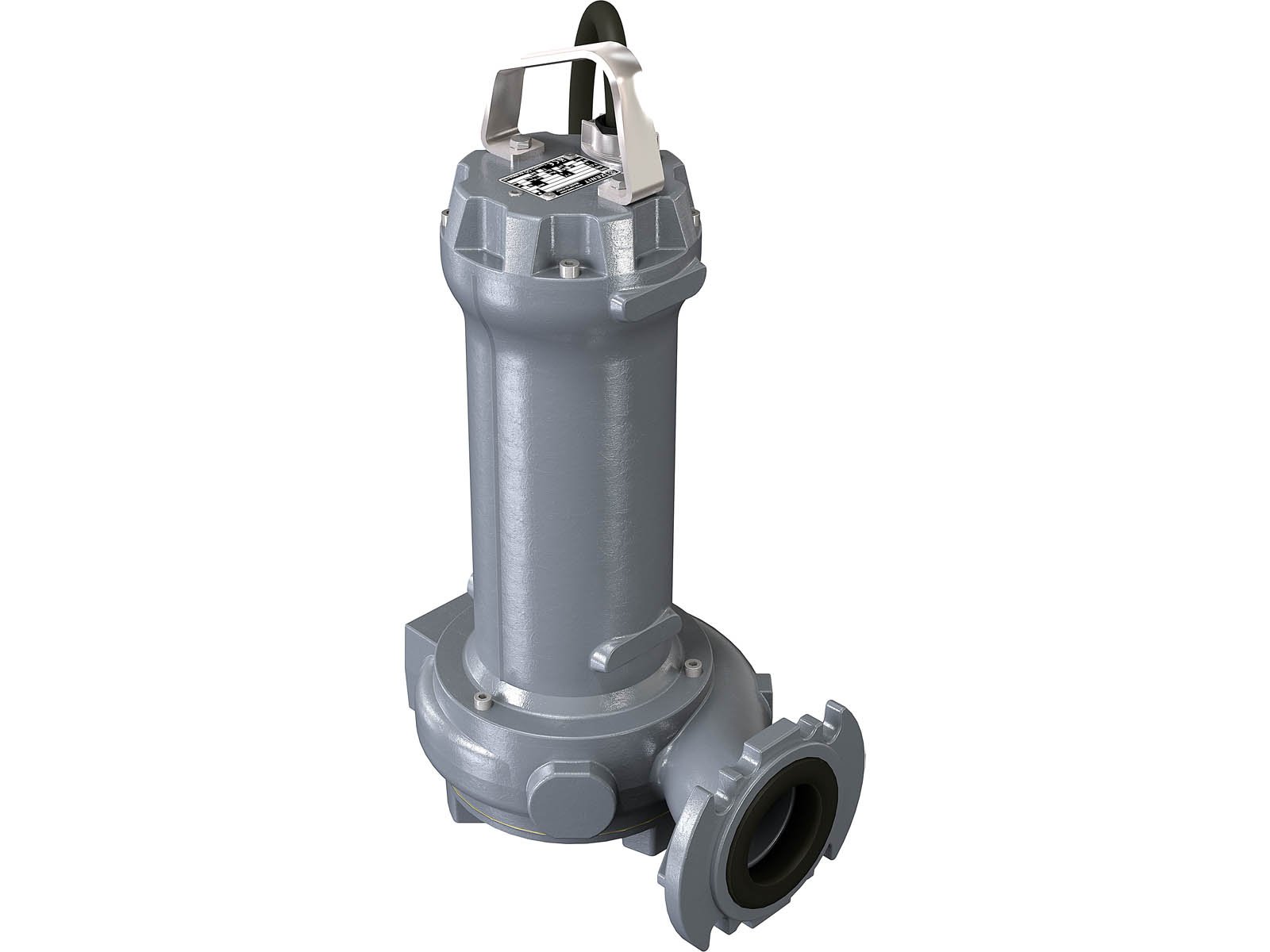
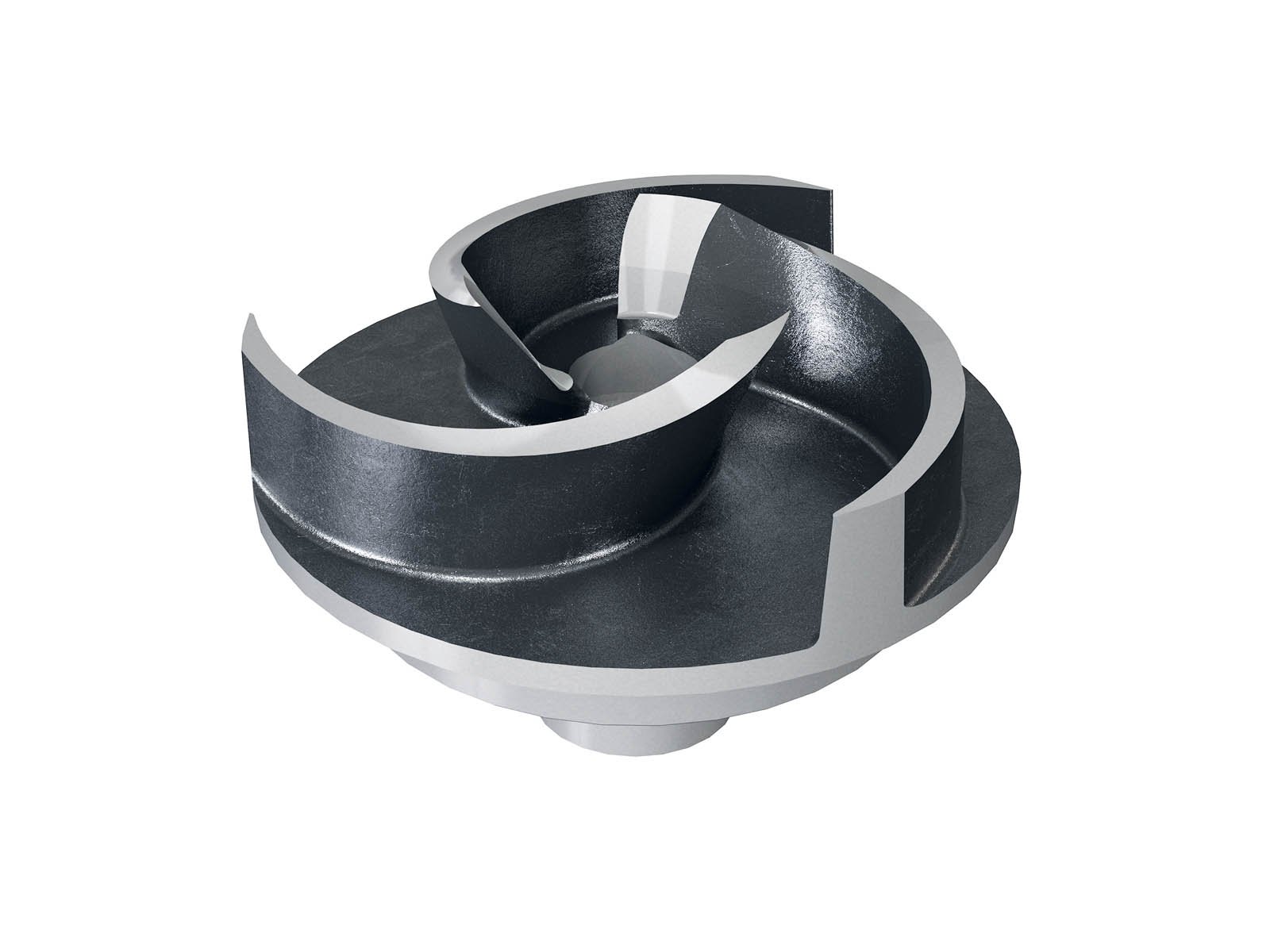
  • Zenit brand submersible pumps: vortex, open channel, grinder, or high-pressure impeller models
  • Different material options, (stainless steel, Molib-techTM and ceramic coating)
  • Cooling jacket option, closed circuit (ethylene glycol - water mixture)
  • Double silicon carbide mechanical seal, protected by oil chamber
  • Moisture leak sensor, thermal protection and optional vibration sensors provide pre-failure warning system
  • Anti-clogging hydraulic design, trouble-free operation in fibrous or solid particle wastewater
  • ATEX certified options, safe use in explosive environments

    2. Tank and Body Structure
  • Leak-proof and corrosion-resistant body manufactured from GRP or HDPE material
  • Valve chamber option
  • Production up to 1.4 – 3.0 m diameter and 2 – 6 m height as needed (can be supplied for different capacities, sizes, and customer-specific requirements)
  • Inlet-outlet connections and maintenance covers are positioned according to project requirements

    3. Hydraulic Equipment
  • Discharge line pipe: PVC, stainless steel, or galvanized steel options
  • Valve group: Ball valve, check valve, butterfly valve combinations
  • Penstock: Easy access solution for flow isolation and line maintenance
  • Basket strainer: Extends pump and valve life by retaining solid particles

    4. Control and Monitoring System
  • Level switches: Precise level tracking with ultrasonic or hydrostatic pressure sensors
  • VFD control compatibility: Energy optimization can be achieved according to pump speed
  • Electromechanical or PLC-based control panel:
    • Operating modes (manual, automatic, remote)
    • Pump status, alarm history, and energy consumption on display
    • Remote access and SCADA connection options
  • Vibration, temperature, and moisture sensors: Full accessory integration compatible with Zenit pumps

    5. Auxiliary Equipment
  • Rail system: Enables safe removal of pump from tank
  • Service ladder and safety grating: Standard for operator safety
  • Walking platform option
  • Covers: Heavy load bearing, non-slip surface, safe access design, different material options
  • Ventilation system: Gas and odor control; optional ATEX certified models
  • Davit crane: Manual and motorized options

Installation and Commissioning Process

  • Design and Engineering: Detailed mechanical drawings are prepared for water authority or customer approval.
  • Production: Pump, valve, piping, control panel, and auxiliary equipment are assembled in factory environment.
  • Site Installation: All mechanical and electrical connections are made by Arpon supervisor team.
  • Commissioning: Pump tests, system controls, and performance report are prepared.

Maintenance and Follow-up: 12-month warranty, optional periodic maintenance agreement, and remote monitoring support.

Service and Technical Support

Arpon Industrial stands by its customers throughout all processes after installation for each ARPIT station:

  • Commissioning and site supervision
  • Periodic maintenance and performance control
  • Spare parts and pump revision services
  • Energy efficiency analysis and optimization support

Sustainable Solution, Strong Performance

ARPIT package lift stations are designed with environmental awareness and are a safe part of modern infrastructure.
With high efficiency, low maintenance requirements, and long service life, they offer a sustainable solution in future water management systems.

How Do Wastewater Pumps Work?

The pump type that provides the transfer of wastewater is called a "wastewater pump." These pumps are also referred to as "sewage pumps" or "septic pumps."

What is Wastewater?

Used and contaminated water is called "wastewater." This contamination can result from domestic, industrial, and commercial uses, as well as surface runoff and rainwater. Wastewater may contain physical, chemical, and biological pollutants. Wastewater discharged to the natural environment without treatment causes serious water pollution. Water pollution poses a major threat to both aquatic life and human health. Therefore, wastewater treatment is mandatory for environmental sustainability.

What is a Wastewater Pump?

Wastewater may contain dense amounts of solid particles, organic and inorganic compounds. Therefore, wastewater pumps have wider free passage openings compared to other pump types. These pumps, which do not have self-priming features, are generally operated submerged in wastewater. For this reason, they are also known as "submersible pumps" in literature. Additionally, dry-type operating models supported by cooling jackets are also available.

Where Are Wastewater Pumps Used?

Lift Centers

  • Used as lift pumps that enable the transport of wastewater.

Package Lift Stations

  • Provides reliable solutions for wastewater transfer in compact systems.

Flood and Emergency Applications

  • Serves as mobile flood pumps or water drainage pumps.

Tank Emptying Systems

  • Used as tank emptying pumps at the bottom sections of tanks or process units.

Sewerage and Light Contaminated Water Applications

  • As sewerage pumps, ensures safe discharge of contaminated water.

Rainwater and Drainage Systems

  • Serves as ideal basic drainage pumps for rainwater drainage and building infrastructure applications.

How to Select a Wastewater Pump?

Wastewater pump selection is made according to basic centrifugal pump principles. First, the amount of wastewater to be transferred (flow rate) is determined.

Then, where the wastewater will be conveyed is determined, and accordingly, the head losses occurring in the system are calculated.

Whether the pump meets the required flow rate and head loss values is analyzed through performance curves. Appropriate pump selection is made as a result of these evaluations.

Impeller and Installation Types of Wastewater Pumps

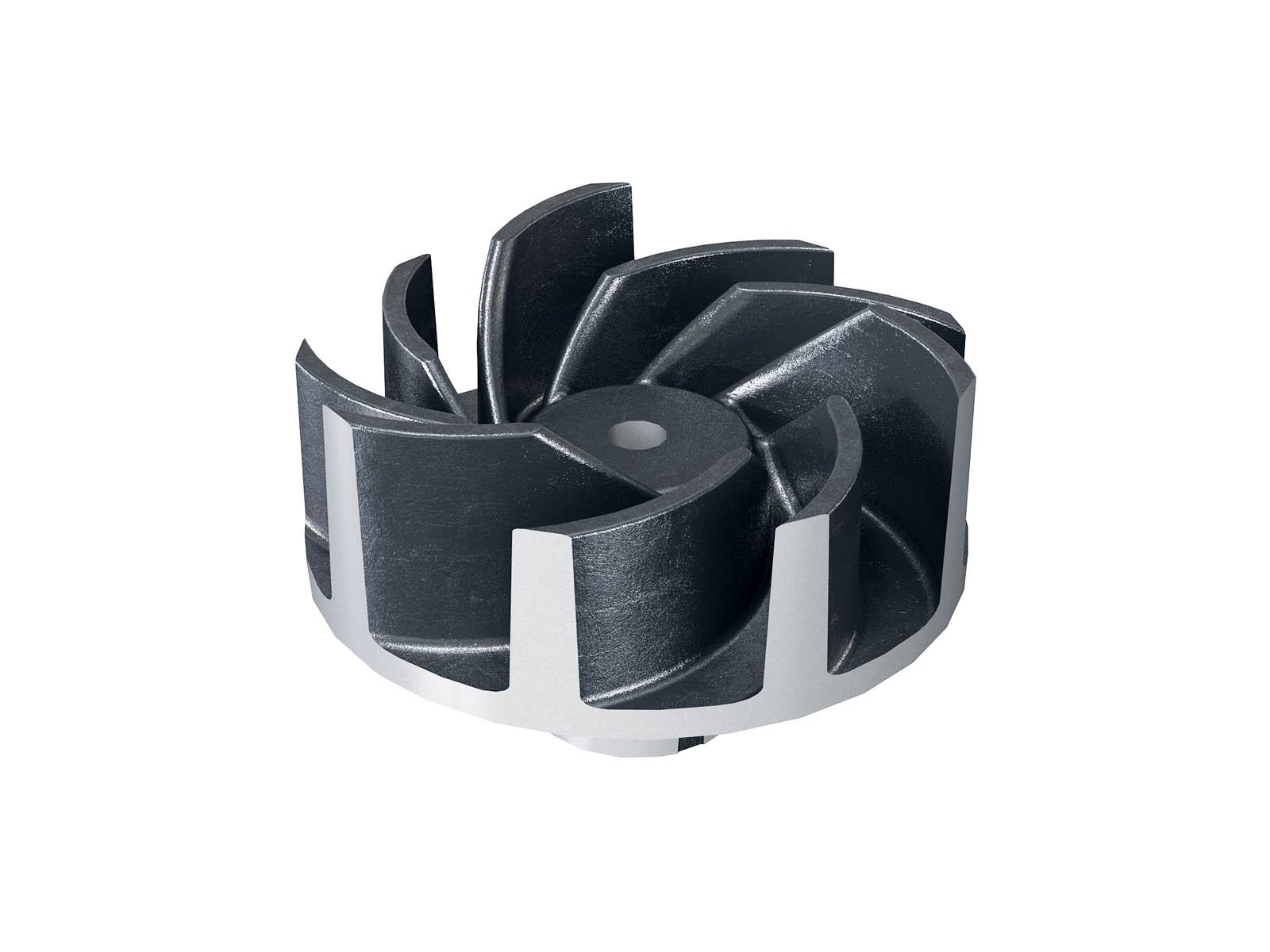
Since the content of wastewater is quite variable, different impeller types have been developed suitable for different contaminants:

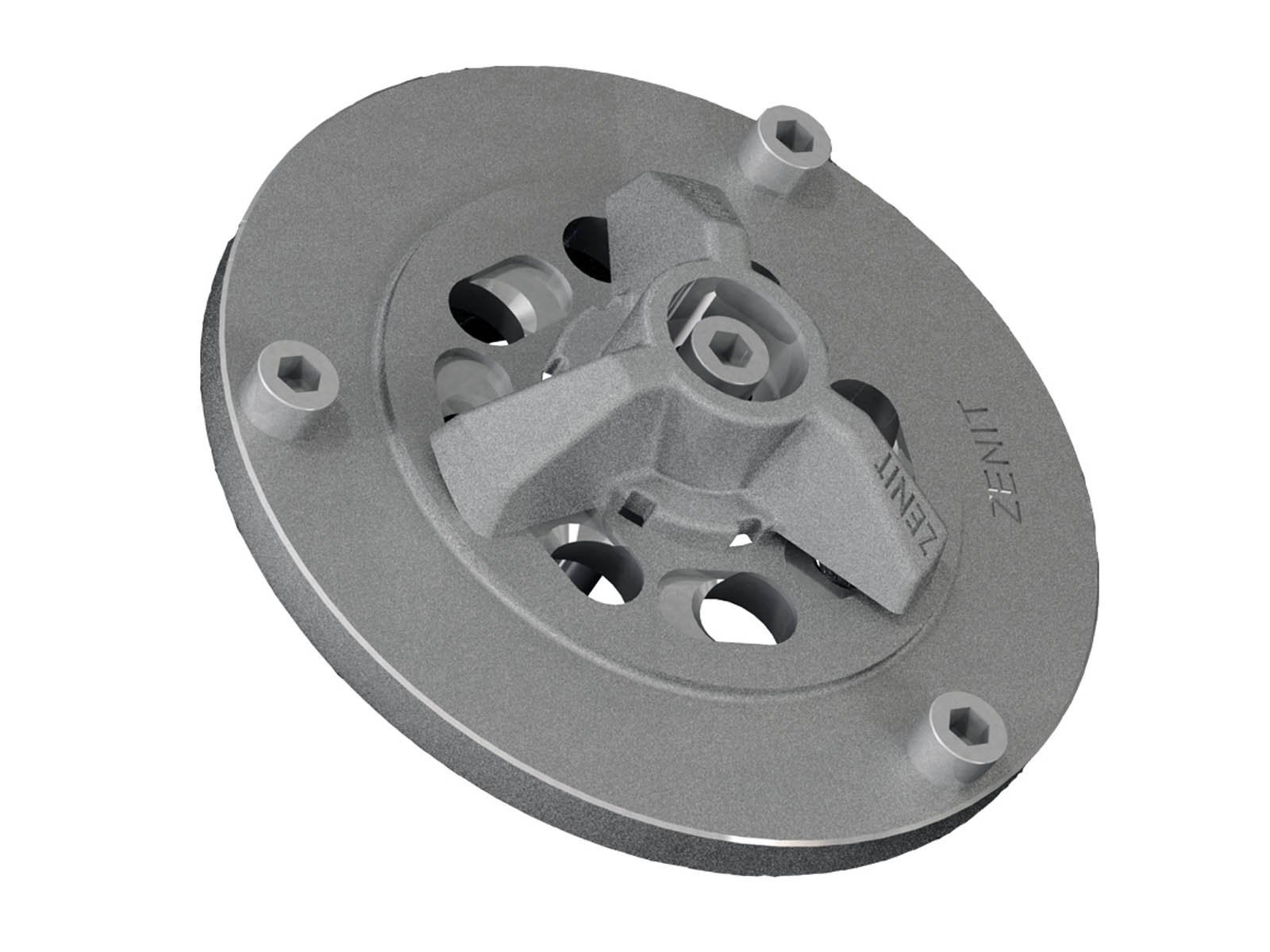
For fibrous and stringy wastewater: Grinder blade impeller

For wastewater containing dense solid particles: Cutting blade impeller

For abrasive content containing sand, oil, and foamy wastewater: Vortex impeller

For high flow domestic wastewater with balanced particle content: Open channel impeller

For applications requiring very high lift: High-pressure impeller

Additionally, wastewater pumps can be installed in three different ways:

Submersible rail system installation (in lift centers or inside tanks)

Installation with portable free-standing base

Installation with dry-type vertical or horizontal mounting bases