LUTZ-JESCO

Lutz Group is a leading manufacturer and supplier in the field of pump technology, headquartered in Wertheim, Germany.

Lutz Group, located in Wertheim, Germany, is a leading manufacturer and supplier of pump technologies.

Since its establishment in 1954, the group has maintained its identity as a family business; today, it has a strong and efficient structure of medium-sized companies engaged in production and sales worldwide.

How Do Centrifugal Pumps Work?

Centrifugal pumps are pumps that operate based on the rotodynamic principle. Thanks to these features, they are an ideal choice for transporting dirty and corrosive liquids.

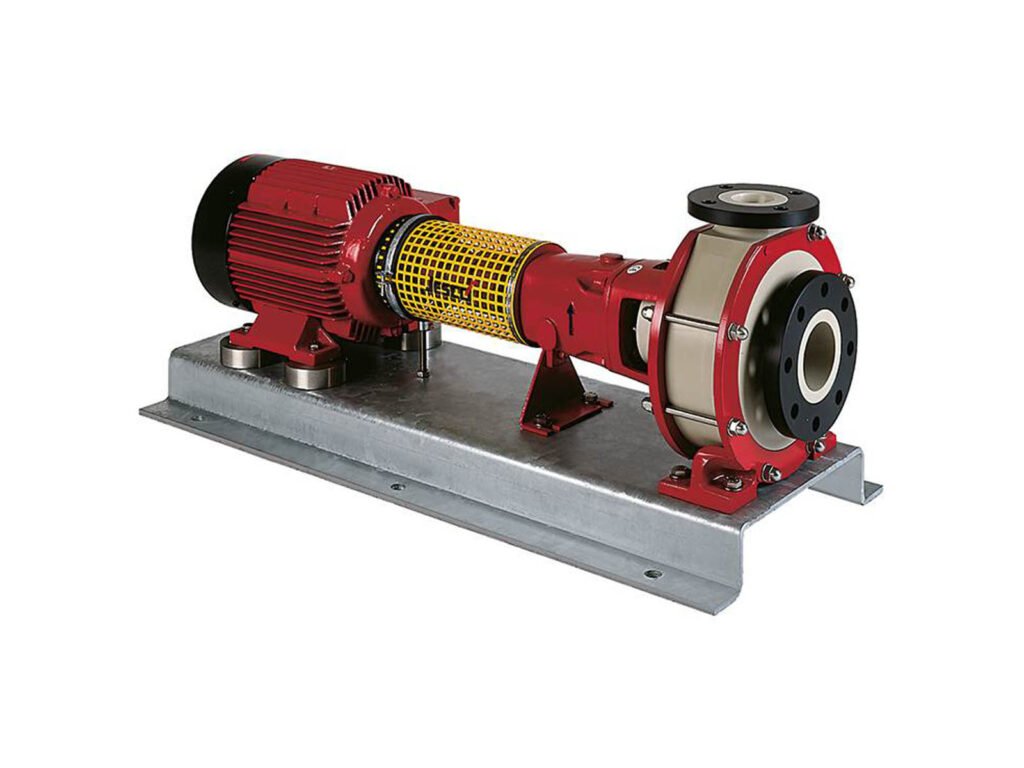
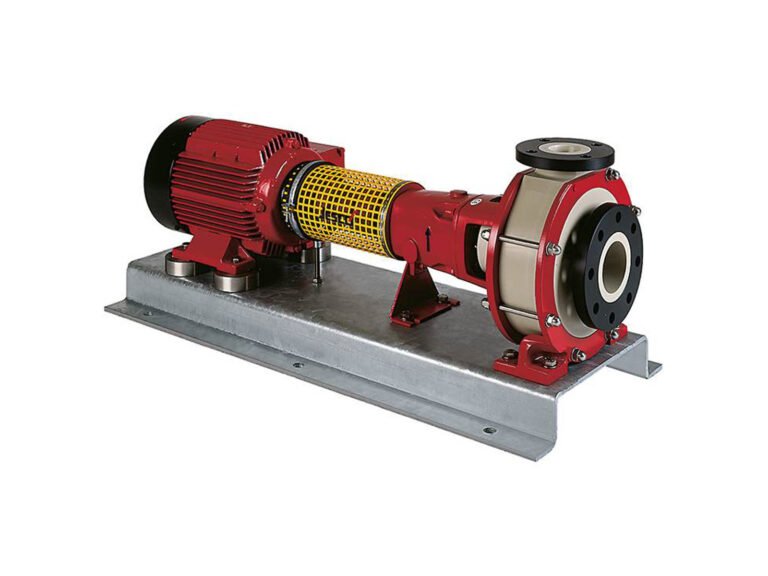
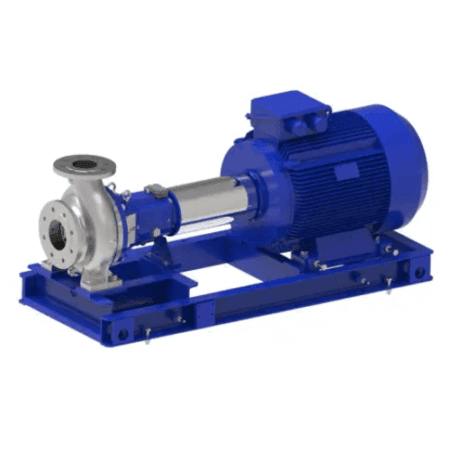
Lutz-Jesco Chemical Standard Pump (N Series)

N series chemical standard pumps are single-stage, single-flow, non-self-priming centrifugal pumps that offer high hydraulic efficiency with their spiral casing design.
Max. Flow Rate : 120 m³/h
Max. Pressure : bar

In stock

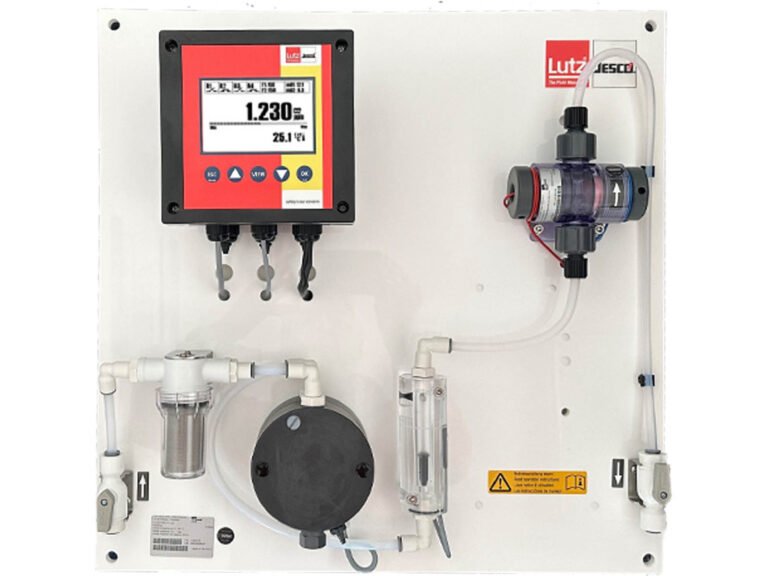
Lutz-Jesco EASYPRO Water Sampling Station

Our water sampling stations offer complete solutions, bringing together all the necessary components for measuring and controlling dosed chemicals in one place.
Max. Flow Rate : l/h
Max. Pressure : bar

In stock

Lutz-Jesco Chemical Motor Block Pump (BN Series)

BN series chemical motor block pumps are single-stage, horizontally designed, non-self-priming pumps, and are delivered with the motor for quick and easy installation.
Max. Flow Rate : 120 m³/h
Max. Pressure : bar

In stock

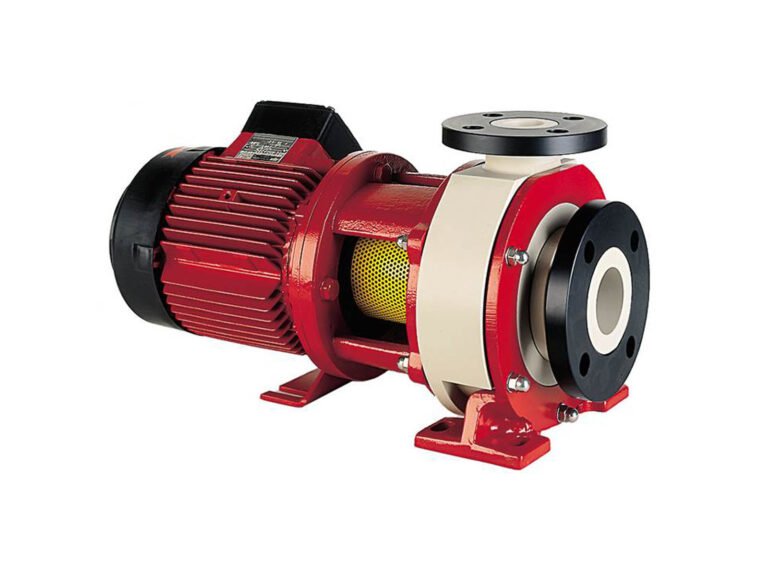
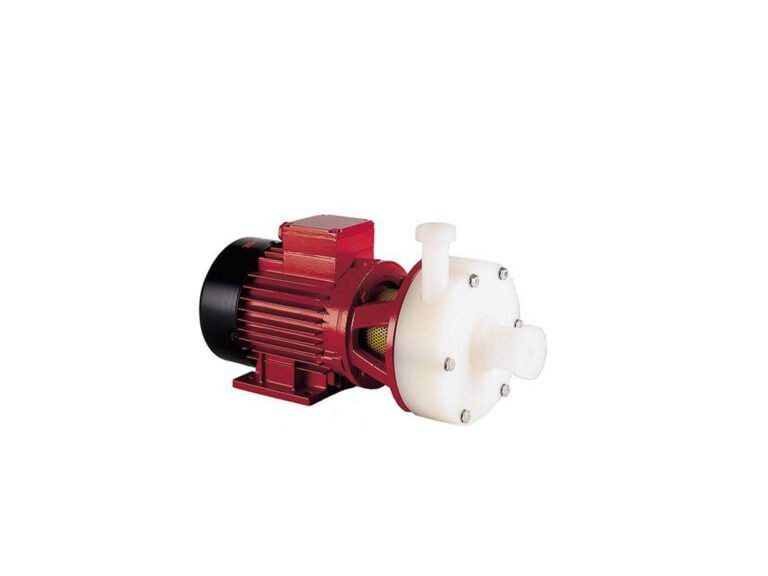
Lutz-Jesco Chemical Motor Block Pump (MB Series)

MB series horizontal, non-self-priming chemical motor block pumps are specifically designed for low viscosity, acidic and basic solutions, and liquids with low solids content.
Max. Flow Rate : 19 m³/h
Max. Pressure : bar

In stock

Operating Principle of Centrifugal Pump

A traditional centrifugal pump offers a highly efficient method for transporting low-viscosity liquids containing medium to small solid particles in large volumes. Models are also available that can handle more challenging liquids. Centrifugal pumps are pumps that operate based on the rotodynamic principle. Thanks to these features, they are an ideal choice for transporting dirty and corrosive liquids.

How Do Centrifugal Pumps Work?

Centrifugal pumps work by transmitting the rotational movement it receives from the motor to the impeller. When the impeller rotates, centrifugal force is applied to the liquid, and the liquid is taken from the suction line and transported to the discharge line at high speed. During this process, the impeller blades give kinetic energy to the liquid, and this energy is converted into pressure energy inside the pump body.

The flow inside the pump takes place in a continuously liquid-filled structure, and thanks to this, centrifugal pumps offer long-lasting uninterrupted operation performance in many processes.

Centrifugal pumps; It is used reliably in a wide range of applications, from chemical processes to water transfer, from heating-cooling circuits to tank emptying operations. Thanks to their energy efficiency, flow continuity, and design options that can adapt to different liquids, they are among the most frequently preferred pump types in the industry.

Centrifugal Pump Types

Centrifugal pumps are manufactured in many different types.

Some of them:

• End Suction centrifugal pumps
• In line Centrifugal
• Wet Rotor Centrifugal Pumps
• Multi-Stage Centrifugal Pumps
• Semi-Submersible and Submersible Pumps
• Self-Priming Centrifugal Pumps

Usage Areas of Centrifugal Pumps

Centrifugal pumps are versatile equipment that can adapt to different fluid types and process needs. It is one of the most preferred pump technologies in systems that require high flow rate, continuous flow, and energy efficiency.

Centrifugal pumps are widely used in the following applications:

* Water transfer and water distribution systems (clean water, process water, cooling water)
* Heating and cooling circuits (HVAC, district heating & cooling systems)
* Industrial process fluids (chemical, petrochemical, food, pharmaceutical, etc.)
* Urban and industrial wastewater transfer
* Tanker and storage tank filling/emptying operations
* Maritime applications (ballast, fire extinguishing, engine room circuits)
* Agriculture and irrigation systems
* Energy facilities and auxiliary operating systems

Depending on the application and fluid type; Optimum performance is ensured in every process with different body materials, impeller designs, and mounting configurations.

What Types of Liquids Can Centrifugal Pumps Transport?

Centrifugal pumps can handle many liquids with very different properties. However, since each liquid has its own unique properties, some pumps perform better for certain liquids than others.

For this reason, we recommend that you contact us for your specific liquid and the most suitable pump selection.