NEDERMAN

Has a long history of protecting people, the planet, and products from the harmful effects of industrial processes.

Nederman helps customers around the world protect their employees, production, and the environment from harmful dust, fumes, and smoke.

Nederman has a long history. Founded in 1944 by Philip Nederman, the company has become a pioneer in developing solutions for controlling air pollution within manufacturing facilities, protecting employee health, and improving working environments. Nederman has continued to develop products and systems for safe, clean, and efficient workplaces and today has the market's most complete range of products and services to protect people, the planet, and products from the harmful effects of industrial processes.

In 2010, Nederman acquired Dantherm Filtration and in 2013, EFT (Environmental Filtration Technologies), doubling the company's size and becoming a leading company in industrial air filtration by providing solutions for air pollution both inside and outside factories.

Nederman's sales increased from SEK 735 million in 2003 to SEK 3.2 billion in 2015. Positive development has been achieved through increased expertise, product portfolio, and services. Two major companies were acquired in 2010 and 2013, and two more leading companies in industrial air filtration were acquired in 2015.

Dust Collection and Filtration Systems

Dust and smoke generated in industrial environments negatively affect both employee health and equipment life.

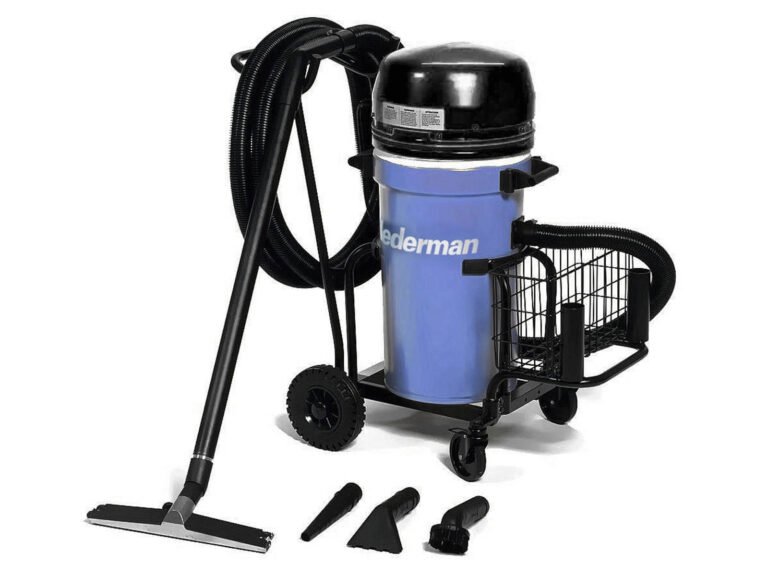
Nederman Mobile High Vacuum Units

Nederman Mobile High Vacuum Units are compact and portable vacuum units that enable the fast and effective collection of dust, chips, granules, smoke, and other dry/wet materials in industrial workshops and production areas.
Max. Flow Rate : 300 – 639 m³/h
Max. Pressure : bar

In stock

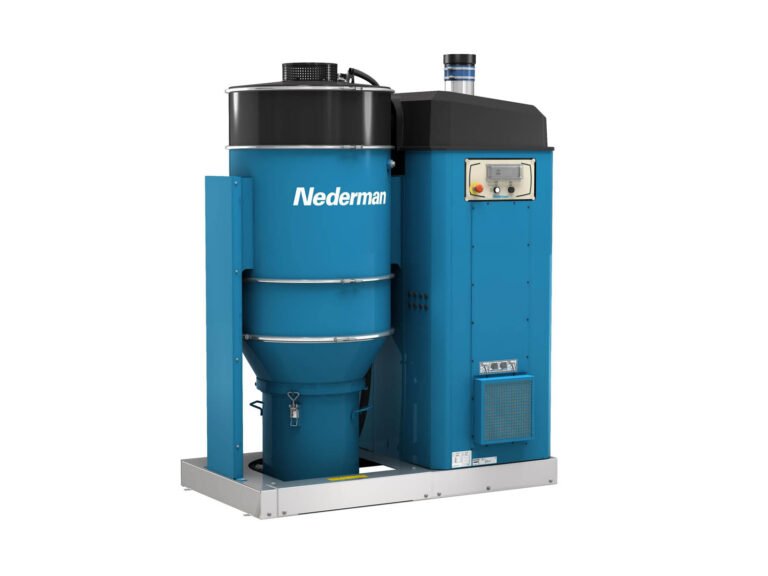
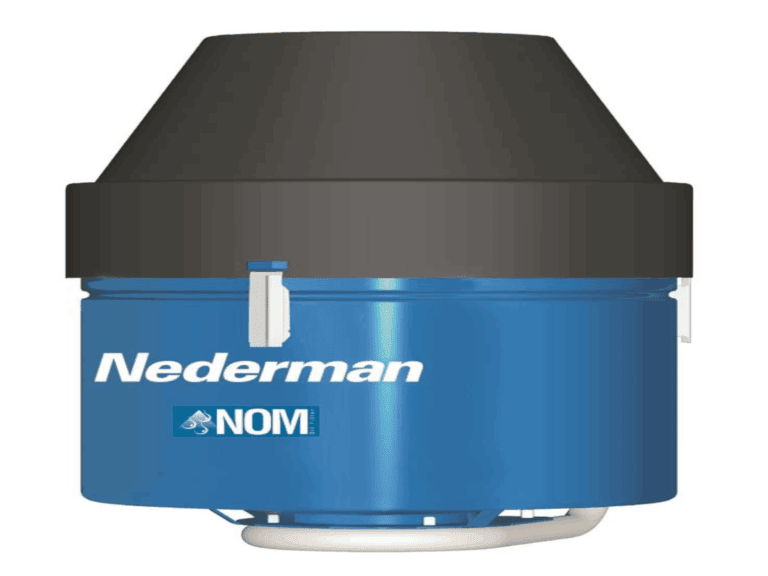
Nederman Dust Collection Units (MCP, MEP and MJC)

Dust Collection Units effectively capture dust, smoke, and gas particles generated by processes in industrial environments, ensuring that work areas remain clean, safe, and compliant with environmental standards.
Max. Flow Rate : 1,000 – 28,000 m³/h
Max. Pressure : bar

In stock

Nederman Oil Vapor Extraction Filters

Oil Vapor Extraction Filters are designed to effectively remove oil vapors generated in metal processing and manufacturing facilities.
Max. Flow Rate : 300 – 639 m³/h
Max. Pressure : bar

In stock

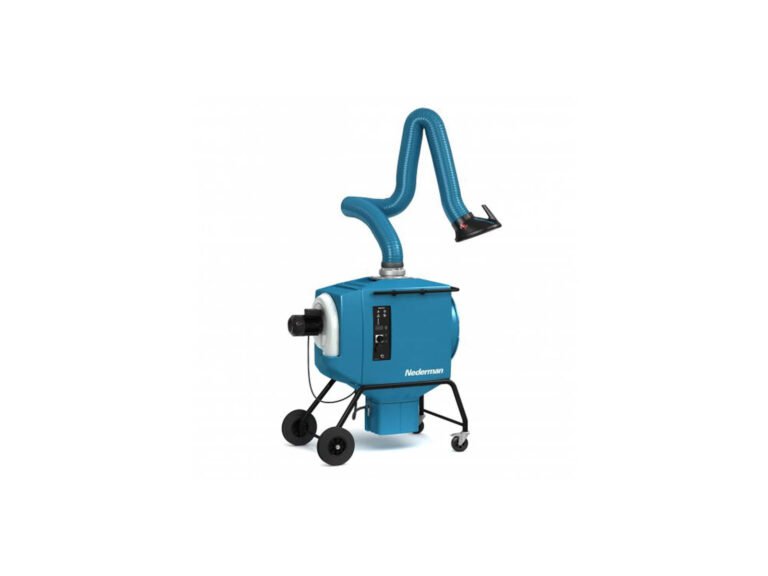
Nederman Mobile Welding Fume and Dust Extraction Units

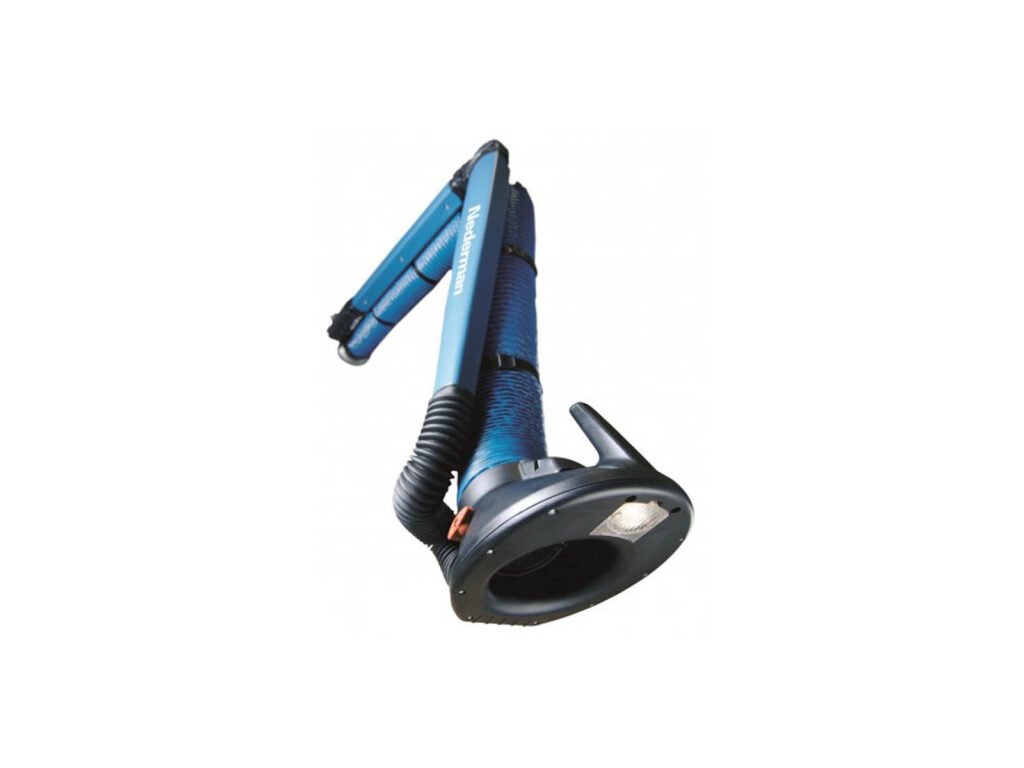
Acrobatic arms are high-performance suction systems that enable the direct extraction of pollutants such as welding fumes, dust, and vapors at the source.
Max. Flow Rate : 1000 – 200 m³/h
Max. Pressure : bar

In stock

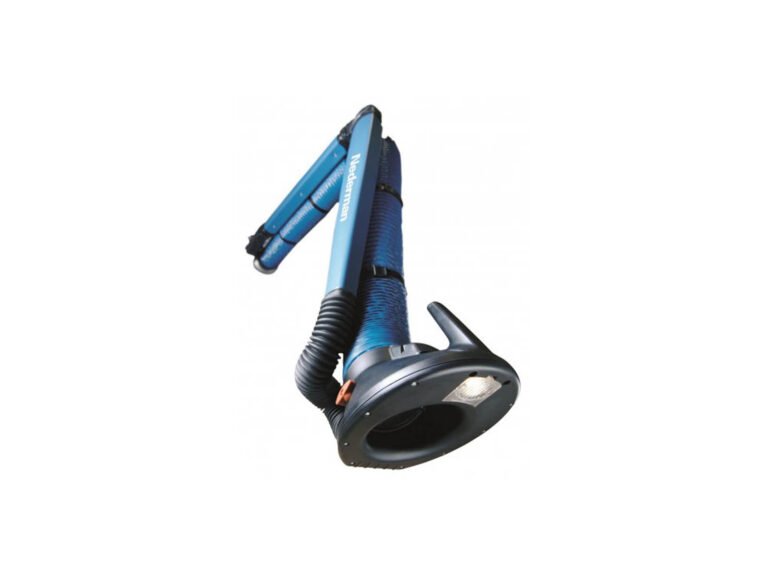
Nederman Acrobat Arms (Original, NEX MD, NEX HD, NEX S, NEX D, NEX DX, FX)

Acrobatic arms are high-performance suction systems that enable the direct extraction of pollutants such as welding fumes, dust, and vapors at the source.
Max. Flow Rate : 450-1900 m³/h
Max. Pressure : bar

In stock

Dust Collection and Filtration Systems

Dust and smoke generated in industrial environments negatively affect both employee health and equipment life.

Operating Principle of Dust Collection Systems

Dust collection systems protect air quality by capturing these pollutants at the source. The system consists of the following basic stages:

Source Capture: Contaminated air is extracted by appropriately positioned extraction arms or hoods.

Transport: The air is transported to the filter unit through sealed ducts.

Filtration: The filter media retains dust particles, and clean air is discharged from the top.

Filter Cleaning: The pulse-jet or mechanical cleaning system shakes the dust off the filter surface, maintaining performance.

Waste Discharge: The collected dust is collected in a hopper or big-bag.

Thanks to the correct design and filtration technology, the system operates with low energy consumption, is long-lasting, and sustainable.

Operating Structure of Extraction Arms

Thanks to their multi-jointed structures, extraction arms allow the operator to easily target the source of smoke or dust.
The inner surface of the arms has low friction; in this way, the air flow progresses without loss.
The hood geometry (cone, dome, or umbrella type) directs the air flow onto the pollutant and provides high capture efficiency.

In ATEX environments, the accumulation of static charge is prevented by using antistatic material.