SEEPEX

Seepex manufactures advanced technology progressing cavity pumps at its facilities in Germany.
Progressing cavity pumps are widely used in many industrial applications such as Water & Wastewater Treatment Plants, Chemical, Food, and Gas Industries.
Seepex Mono Pumps are a world leader in their field.

Seepex progressing cavity pumps are used in countless businesses in a wide variety of sectors, transferring fluids smoothly under the most challenging application conditions.

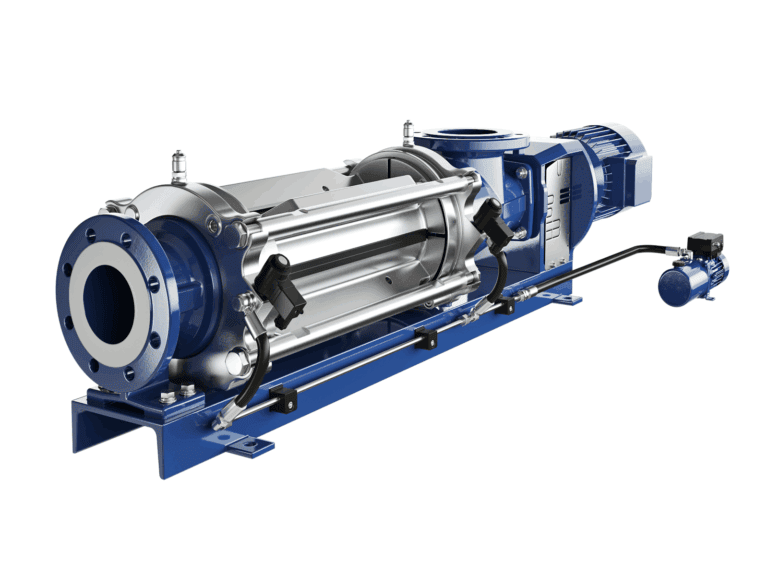
The Seepex mono pump has a wide capacity range up to 500m3/h flow rate and 96 bar pressure.

The progressing cavity pump is suitable for transferring fluids with low and high viscosity, as well as abrasive, sticky, crush-sensitive, and foam-sensitive fluids. The mono pump (sludge pump) provides a smooth, linear, and measurable flow, and operates quietly and without vibration. Based on these characteristics, progressing cavity pumps can also be referred to differently within the industry, such as sludge pump, wastewater pump, screw pump, auger pump, and helix pump.

How Do Progressing Cavity Pumps Work?

Progressing cavity pumps are positive displacement pumps that operate on the principle of using a helical 'screw' shaped rotor and stator arrangement to move fluid.

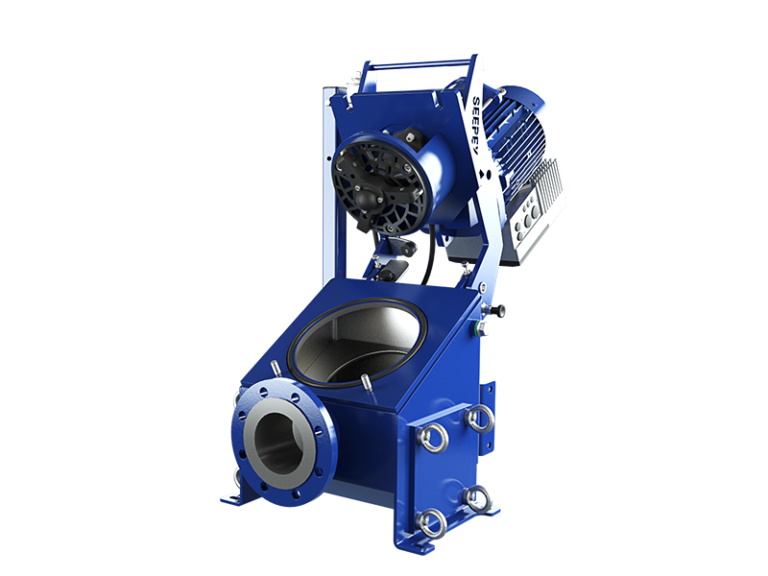
SEEPEX T Series

Solid or fibrous components in pumped fluids can quickly pose a risk to pumps, plant equipment, or pipelines.
Max. Flow Rate : 0-150 m3/h
Max. Pressure : 10 bars

In stock

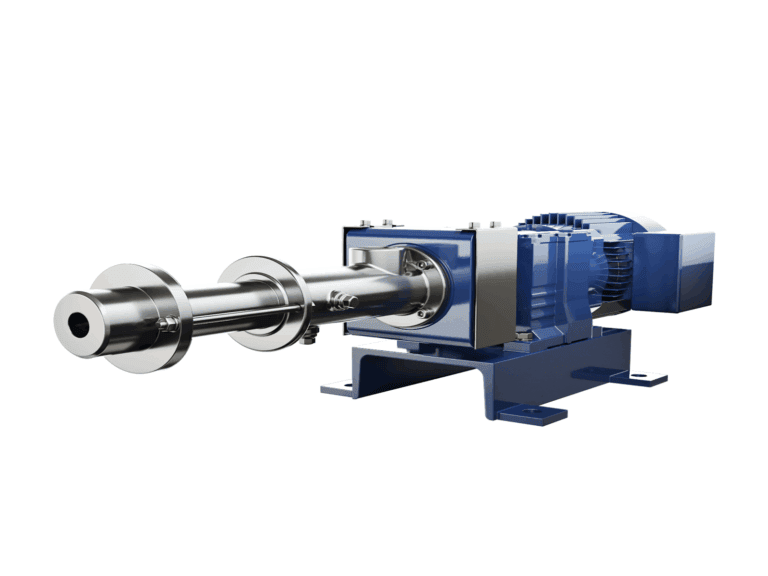
SEEPEX E Series

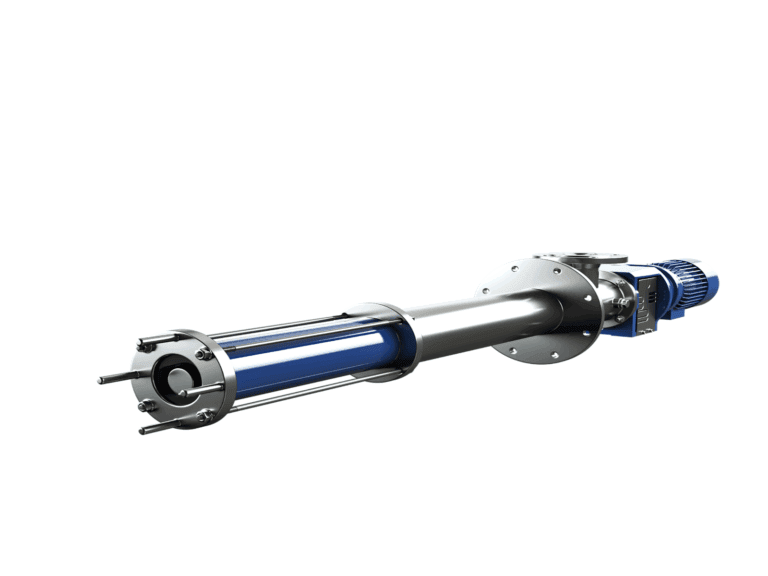
SEEPEX semi-submersible pumps have a wide capacity range up to 300 m³/h and 12 bar pressure.
Max. Flow Rate : 300 m3/h
Max. Pressure : 12 bar

In stock

SEEPEX T Series

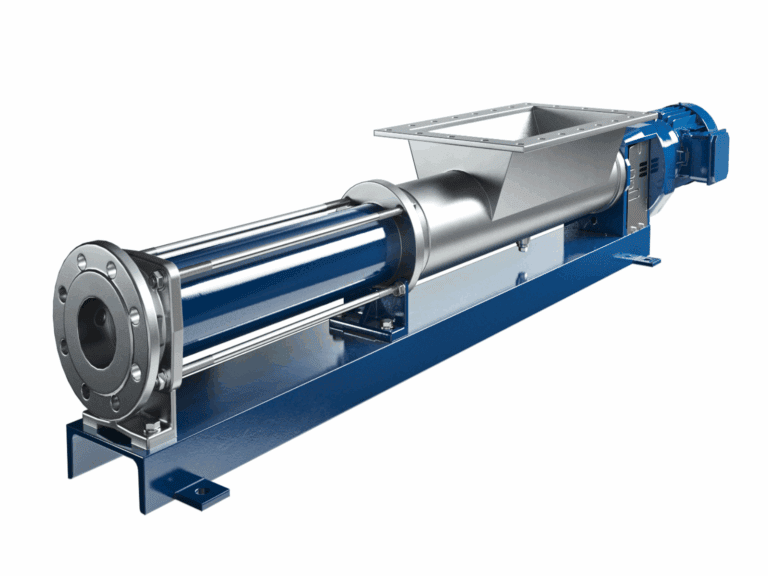
SEEPEX HOPPER (open chamber) pumps are screw pumps designed for viscous or semi-solid products with low or no viscosity.
Max. Flow Rate : 500 m3/h
Max. Pressure : 36 bar

In stock

SEEPEX CS Series

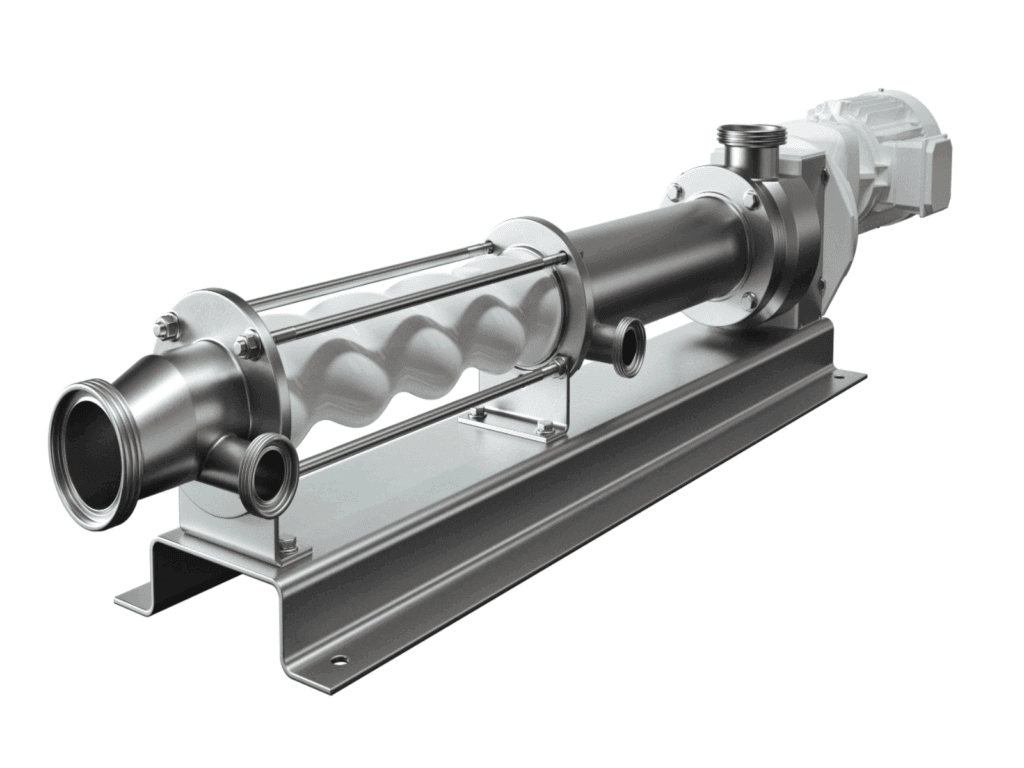
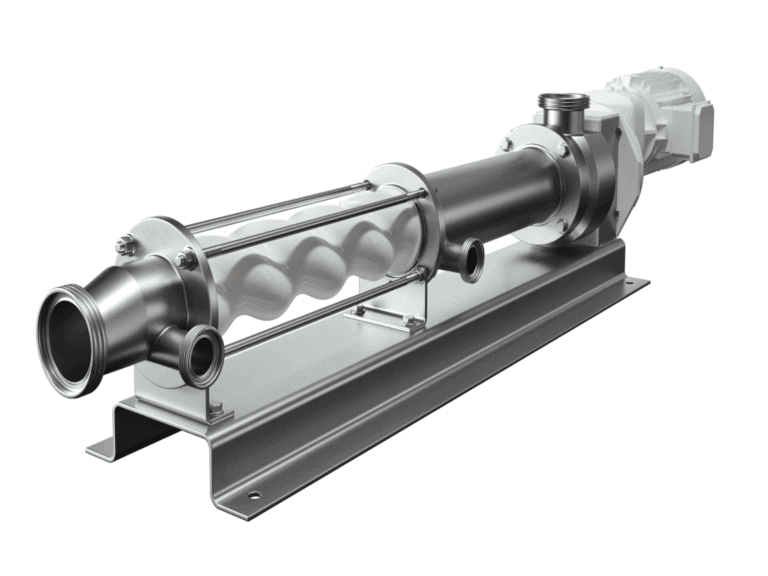
SEEPEX food pumps are used in the pharmaceutical, food, cosmetics, and chemical industries, or wherever a clean, sterile, and hygienic environment is required.
Max. Flow Rate : 130 m3/h
Max. Pressure : 24 bar

In stock

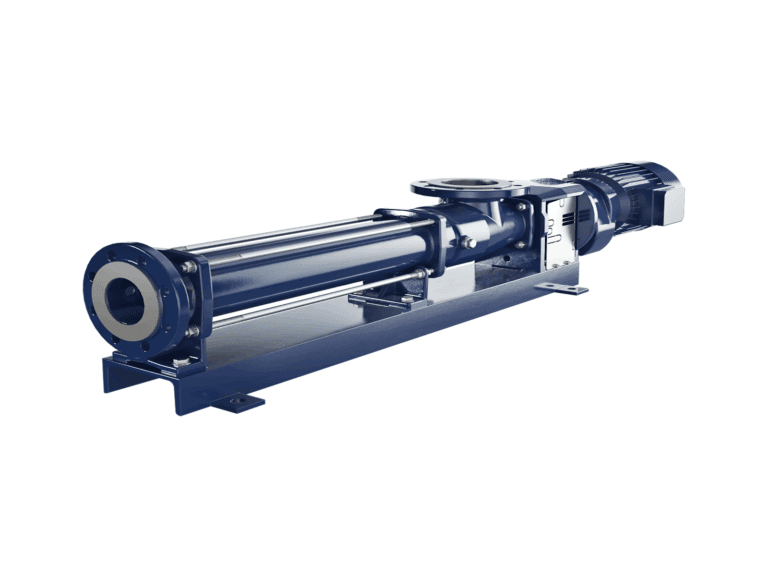
SEEPEX D Series

Seepex mono pumps are used in countless businesses across a wide range of sectors, providing trouble-free fluid transfer even under the most demanding application conditions.
Max. Flow Rate : 0.6-2000 lt/h
Max. Pressure : 48 bar

In stock

SEEPEX N Series

N Series pumps form the basis of SEEPEX multi-stage cavity pumps. They are used in almost all industrial sectors and are employed in the conveying of solid or non-solid low and high viscosity media.
Max. Flow Rate : 500 m3/h
Max. Pressure : 96 bar

In stock

SEEPEX – Innovative Pump Technologies for Smart Processes

SEEPEX is one of the leading companies in progressing cavity pump technologies in the world. Since 2021, it has been part of the Ingersoll Rand Group and operates with more than 40 global brands in the field of fluid transfer and industrial solutions.

Technology, Service, Solution – Everything in Flow

SEEPEX’s progressing cavity pumps, pump systems, and digital solutions are used in every application where low to high viscosity, abrasive, or aggressive fluids need to be transferred with low pulsation. In short — it keeps the flow going without stopping.

Solution-Oriented Approach

For SEEPEX, consulting is not just about recommending a pump.
We analyze each customer's system and develop custom solutions that increase efficiency, reduce maintenance costs, and maximize uptime.

This approach delivers unique results in different industries:

Transfer of sludge and highly viscous fluids in wastewater treatment plants

Gentle transfer of delicate, shear-sensitive products in the food and beverage industry

Safe pumping of abrasive and corrosive fluids in oil, chemical, and mining applications

SEEPEX pumps make a difference in terms of energy efficiency and process safety while increasing system performance.

Reliable Flow for Every Application

Although there are many pump technologies on the market, SEEPEX progressing cavity pumps are one of the most reliable solutions thanks to their high efficiency, low maintenance requirements, and stable flow control.
It provides stable flow even in shear-sensitive, viscous, or solid particle-containing fluids — with SEEPEX, the flow is always under control.

How Do Progressing Cavity Pumps Work?

Progressing cavity pumps are positive displacement pumps that operate on the principle of using a helical 'screw' shaped rotor and stator arrangement to move fluid. This system draws fluid by creating temporary cavities, then transports the fluid through these cavities and discharges it through the outlet port.

A typical progressing cavity pump has a suction inlet connected to a long pump housing. Inside this housing is the helical rotor and stator assembly.

  • The helix of the rotor is designed to be eccentric to the stator, and temporary cavities are formed within this arrangement.
  • As the rotor rotates in an eccentric motion, these cavities form, drawing fluid and moving it towards the pump.
  • The fluid advances through the pump and is discharged through the outlet.

Which Fluids and Applications Are Progressing Cavity Pumps Suitable For?

These pumps are ideal for transporting high-viscosity fluids over long distances. The outlet pressure can reach up to 48 bar. It is commonly used for the following substances:

  • Sludge, sludge mixtures, and sludge cake from wastewater treatment plants
  • Liquids used in anaerobic digester plants and paper recycling plants
  • Dosing of high-viscosity additives and chemicals

These pumps can be offered in special models for dosing viscous fluids, use in hygienic environments, and drum emptying operations.

Progressing Cavity Pump Types

These pumps can be adapted with different accessories and configurations to suit the challenges of the fluid to be transported.

Examples include:
✔ Different screw and vane feed inlets to break up solid particles
✔ Mechanical seal systems that provide protection against highly abrasive substances
✔ Hygienic compliant materials and configurations
✔ Dosing type pumps (compact design)
✔ Drum emptying units with vertical design

These pumps should not be run dry, as the heat generated by the rotor and stator can cause damage due to excessive temperature. However, there are various accessories available that prevent dry running, both on the suction side and in the pump itself.

Progressive Cavity Pump Geometry

These pumps can have geometries that vary in different proportions. Geometry determines how effectively the fluid will be transferred from one cavity to another and the level of sealing.

  • Standard geometry is suitable for thicker materials because the pitch adapts to the viscosity.
  • Long geometry operates more efficiently with a lower slope and a wider rotor-stator contact surface.