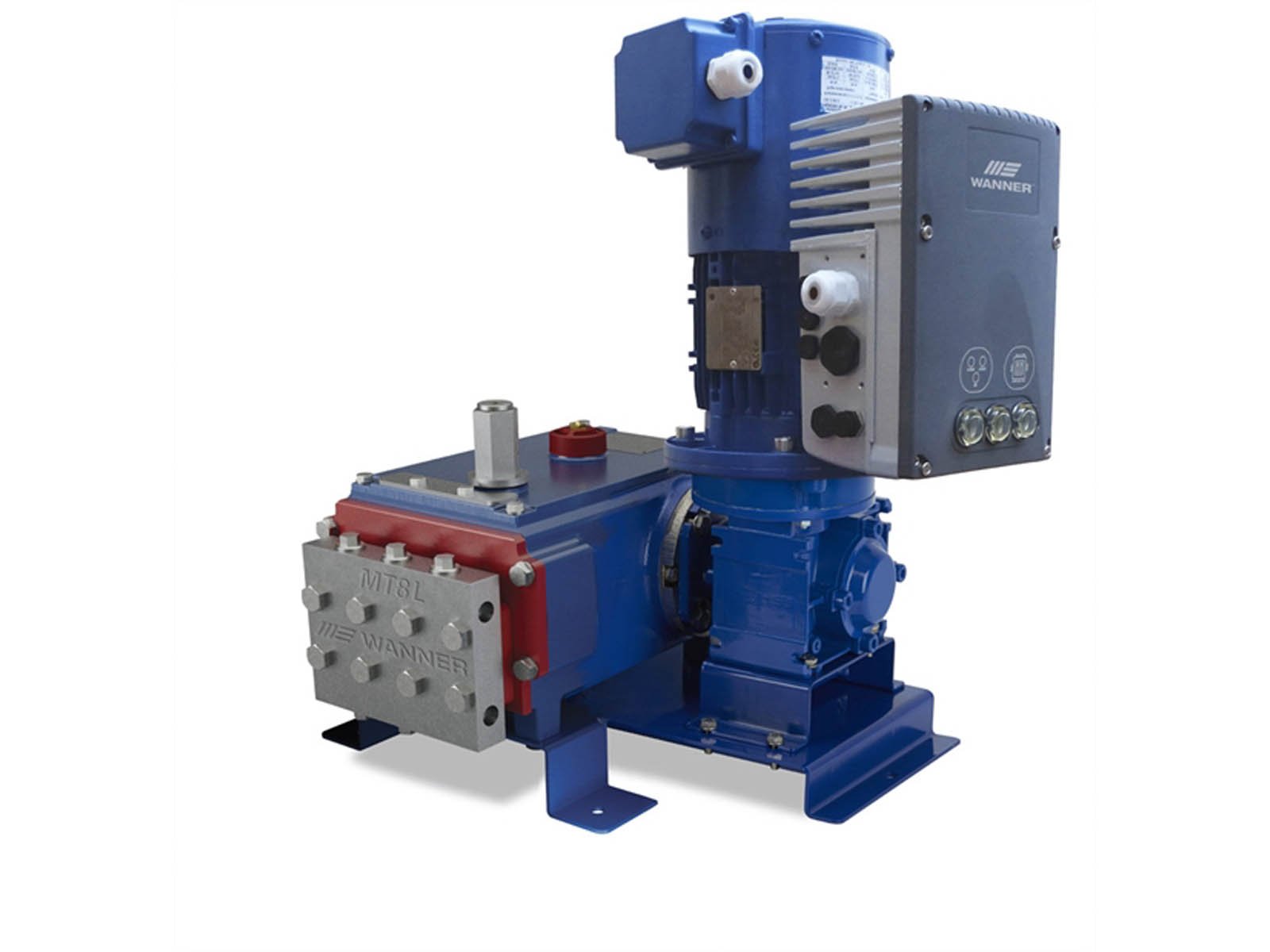
WANNER-HYDRA-CELL

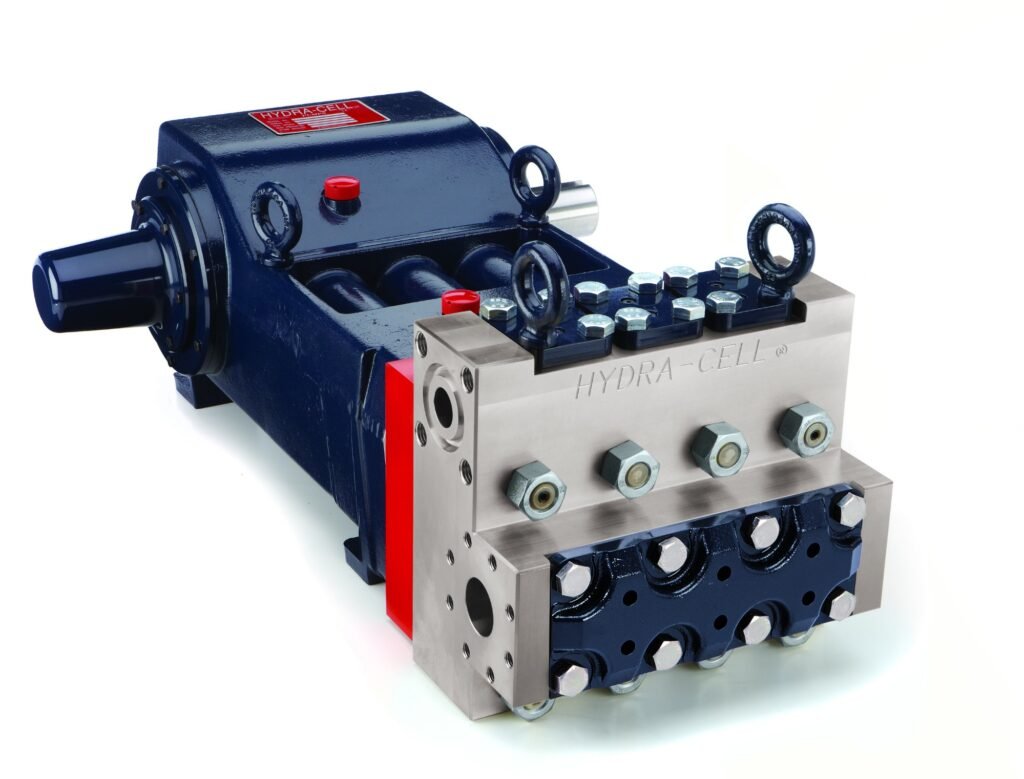
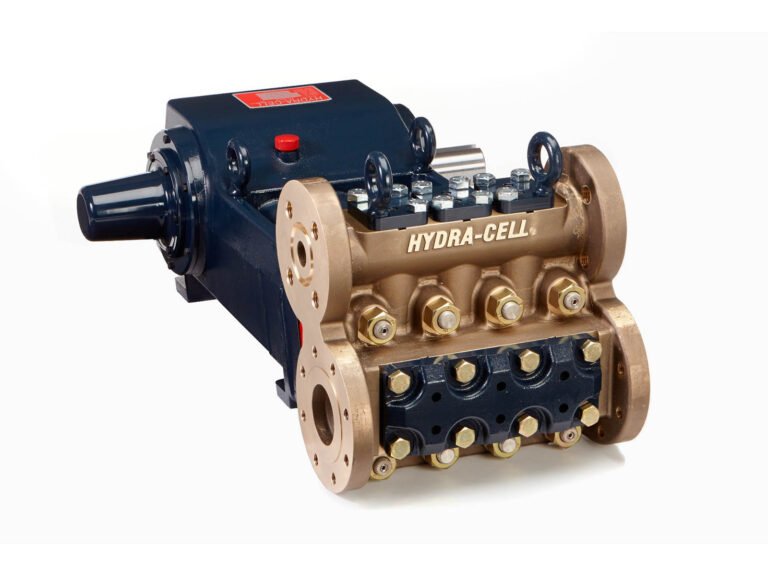
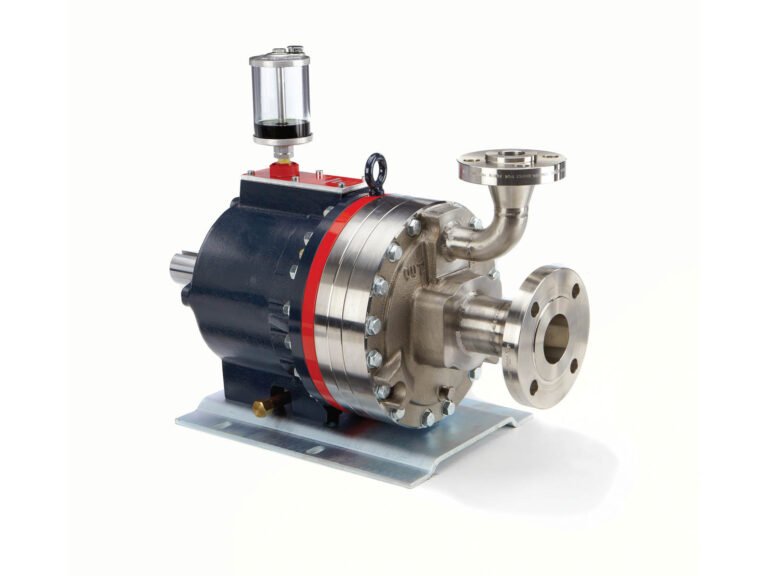
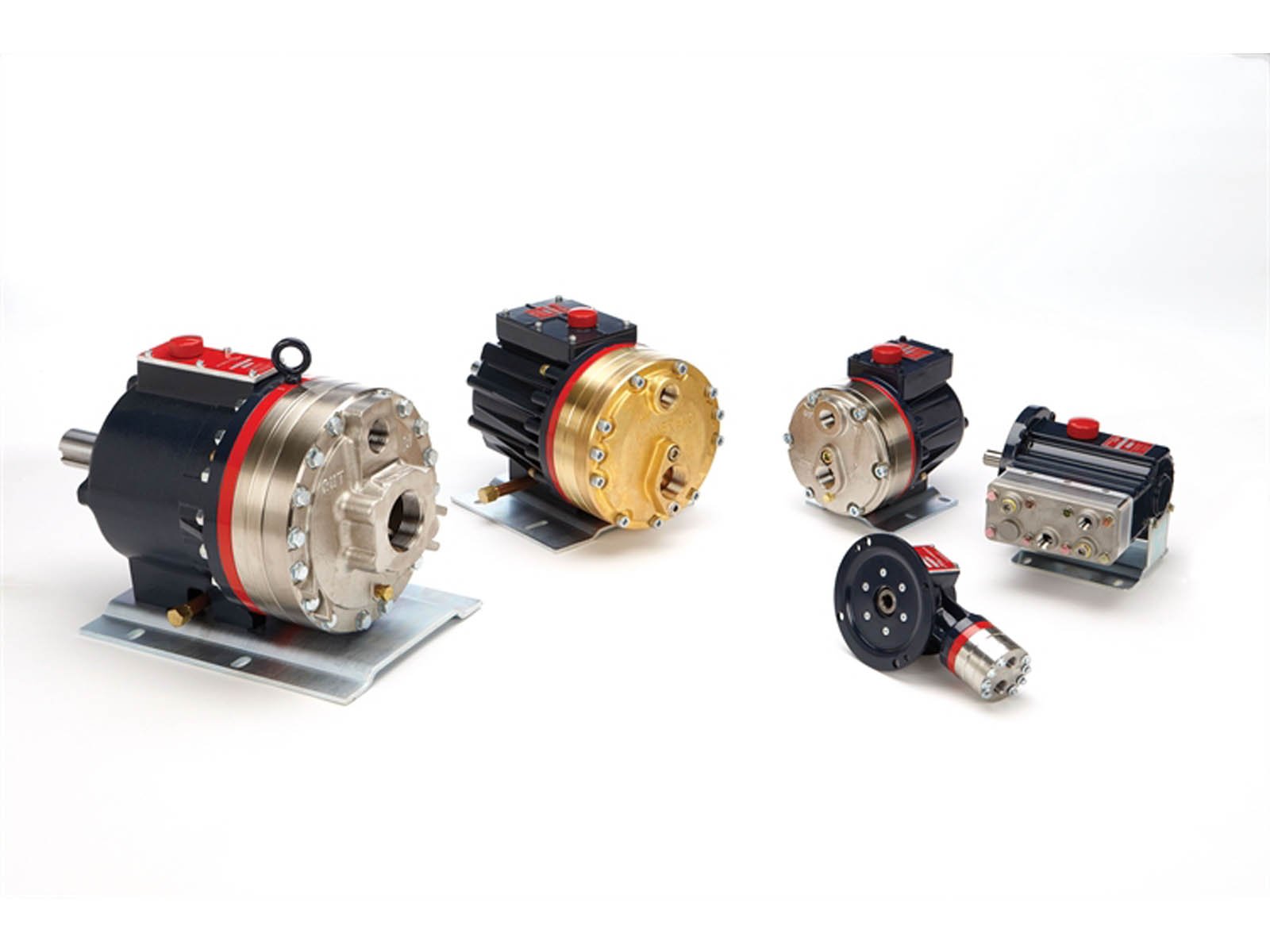
Hydra-Cell is equipped with a seal-less housing structure and hydraulically balanced diaphragm design, offering high performance with its leak-proof, low-maintenance structure while transferring challenging fluids over a wide range of pressures and flows.

Since 1972, Wanner Engineering has been producing high-pressure and seal-less pumps, delivering proven performance and reliability in the most demanding industrial equipment and process applications.

The durability, performance, and simple design of Hydra-Cell pumps make them the ideal choice for the widest range of pump applications.

Hydra-Cell seal-less pumps are designed, manufactured, and tested at Wanner Engineering's 113,000-square-foot facility in Minneapolis, Minnesota. With 50 years of experience, it successfully serves manufacturers, process plants, and commercial or corporate organizations, as well as many major global companies.

How Do Reciprocating Diaphragm Pumps Work?

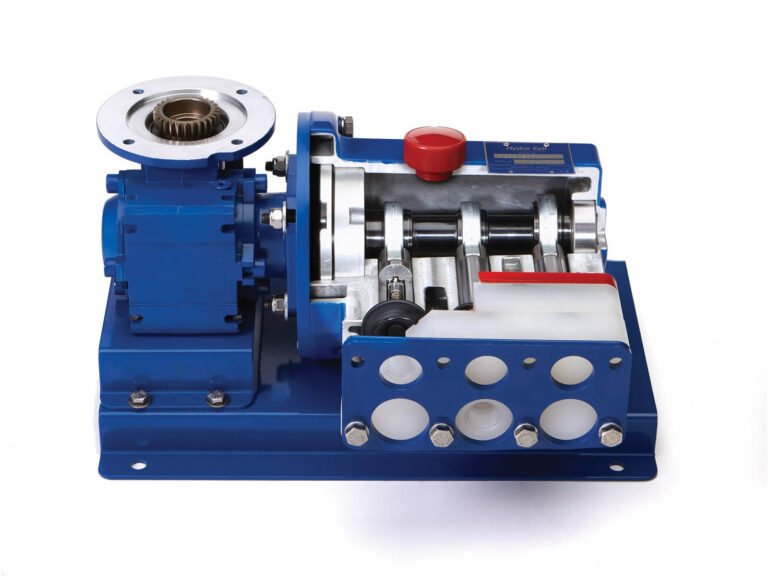
The pump shaft transmits its rotary motion to a oscillating plate. This plate converts the shaft into linear oscillation, enabling the movement of the hydraulic pistons.

WANNER™ Hydra-Cell®Pulsation Dampers

Positive displacement pumps, due to their stroke movements and operating principle, produce a certain amount of shock and vibration (pulsation), and sometimes this pulsation can damage the system.
Max. Flow Rate : l/h
Max. Pressure : bar

In stock

WANNER™Hydra-Cell®G&P Dosing Series

The technology used in the production of precision dosing pumps has remained virtually unchanged for many years. As a result, conventional dosing pumps operate with operational limitations and high costs.
Max. Flow Rate : 3950 l/h
Max. Pressure : 240 bar

In stock

WANNER™ Hydra-Cell® Safety Valves

In bypass systems, Hydra-Cell regulating valves automatically open to relieve pressure in the pipeline in the event of sudden, unwanted overpressure, and return to their original position once the system has drained and the pressure has returned to its previous value.
Max. Flow Rate : 151.4 l/min
Max. Pressure : bar

In stock

WANNER™Hydra-Cell® T/Q Series

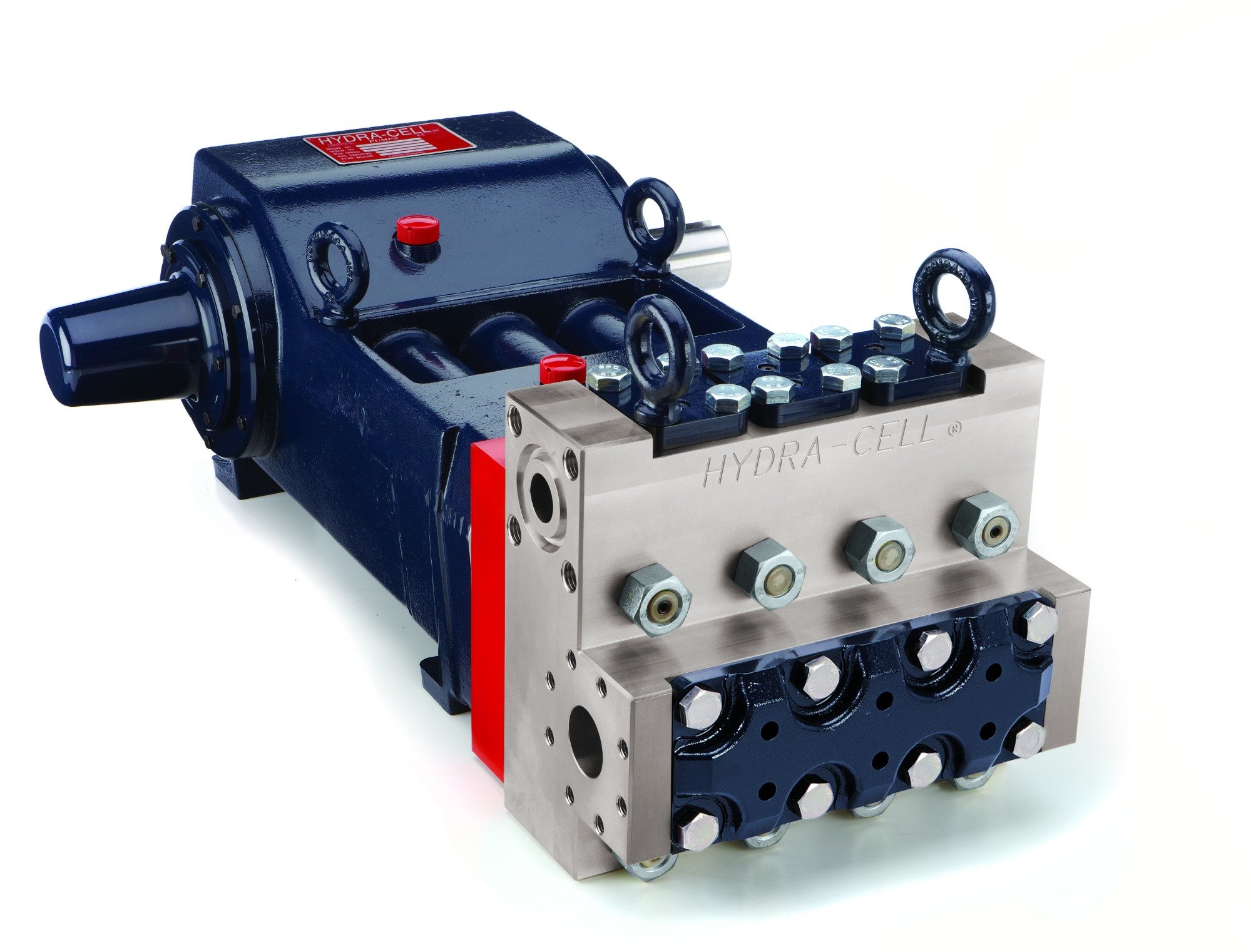
WANNER™ Hydra-Cell® Pro T/Q pumps are a series of process piston diaphragm pumps that combine the three pump heads of conventional triplex pumps into a single pump head.
Max. Flow Rate : 1250 l/min
Max. Pressure : 345 bar

In stock

WANNER™ Hydra-Cell® G Series

WANNER™ Hydra-Cell® piston diaphragm pumps are the ideal solution for high-pressure applications up to 170 bar.
Max. Flow Rate : 0.76 l/min – 236.6 l/min
Max. Pressure : 172 bar

In stock

Production of Hydra-Cell Reciprocating Diaphragm Pumps

Since 1972, Wanner Engineering has been producing high-pressure and seal-less pumps, delivering proven performance and reliability in the most demanding industrial equipment and process applications.

The durability, performance, and simple design of Hydra-Cell pumps make them the ideal choice for the widest range of pump applications.

Hydra-Cell seal-less pumps are designed, manufactured, and tested at Wanner Engineering's 113,000-square-foot facility in Minneapolis, Minnesota. With 50 years of experience, it has been successfully serving manufacturers, process plants, and commercial or corporate organizations, as well as many major global companies.

The IChemE Awards, presented by the Institution of Chemical Engineers (IChemE), recognize innovations and excellence that make outstanding contributions to safety, environment, and sustainable development in the chemical and bioprocess industries. Introduced in 2006, Hydra-Cell Metering Solutions pumps received an Honorable Mention in the new products category.

Selected by the editors and advisory board of Pumps & Systems magazine, the Hydra-Cell model T8030 was recognized as a finalist in the publisher's "Product Innovation" awards in 2010. As noted in the industry magazine, the Hydra-Cell T8030 features a patented valve system that maintains the correct amount of hydraulic fluid in the pumping chamber behind the diaphragm.

How Do Reciprocating Diaphragm Pumps Work?

The pump shaft transmits its rotary motion to a oscillating plate. This plate converts the shaft into linear oscillation, enabling the movement of the hydraulic pistons.

During the suction stroke, the pistons fill with oil, which is transmitted to the back of the diaphragm, creating hydraulic balance with the pressure on the fluid side.
During the discharge stroke, the suction valve closes while the pressure valve opens, and the fluid is transmitted to the pump line.
Springs pull the diaphragm back to its initial position, and the cycle repeats—thus, continuous pumping occurs.

Piston diaphragm pumps offer an excellent solution for high-pressure applications and stand out with their high energy efficiency. Thanks to their virtually vibration-free flow characteristics and robust design, they have proven themselves in many industries. The unique operating principle of Verderbar piston diaphragm pumps allows them to pump fluids containing solid particles without vibration.

Crankshaft Mechanism

The crankshaft is held in position by ball bearings located at each end of the shaft. Between these bearings, the pistons are connected to one or three cams. The other ends of the pistons are connected to spring-loaded check valves. The entire mechanism operates within an oil bath.

  • As the drive shaft rotates, each cam-connected piston operates.
  • This movement converts the axial motion into the linear pumping motion of the diaphragm connected to the piston.
  • Each piston is located in a separate oil chamber that equalizes the oil pressure behind the diaphragm to the pressure on the media side.
  • During the discharge stroke, the oil is compressed, causing the diaphragm to move outward, which forces the fluid out of the pump head.
  • When the diaphragm retracts, fluid is drawn into the suction side of the pump head.
  • The pistons are operated sequentially and regularly by the drive shaft.
  • This process causes the vibrations to overlap, thus creating an almost vibration-free flow.

Asynchronous Design

The asynchronous design principle is the same as the crankshaft principle. However, the diaphragms are not mechanically connected to the pistons. Instead, they are hydraulically controlled. This feature provides much higher performance with less mechanical stress.

  • The underflow or overflow valve ensures that the diaphragm remains hydraulically balanced.
  • During the discharge stroke, the oil in the valve chamber is compressed onto the diaphragm, causing the diaphragm to move.
  • This system eliminates the environmental concerns of packed piston pumps.
  • It provides an almost vibration-free and linear flow without the need for a pulsation damper.