ZENIT

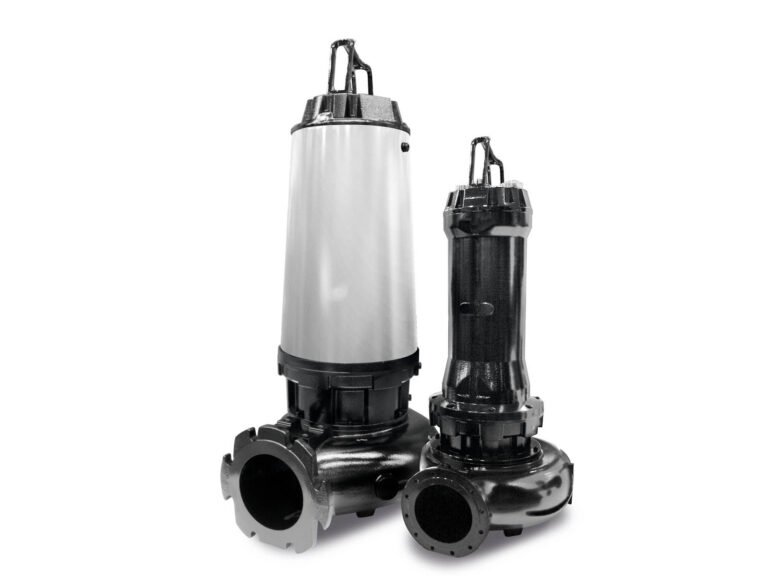
Zenit's wide range of submersible pumps are available with channel and vortex impeller models, as well as with or without a grinding system. This variety is designed to meet all requirements related to pumping clean or dirty wastewater, aggressive and corrosive liquids.

Zenit's wide range of submersible pumps are available with channel and vortex impeller models, as well as with or without a grinding system. This variety is designed to meet all requirements related to pumping clean or dirty wastewater, aggressive and corrosive liquids.

Zenit's story began over 60 years ago in a small engineering workshop in Modena. Today, it has become a company with a strong international presence, with hundreds of loyal employees, partners and collaborators around the world.

How Do Wastewater Pumps Work?

The pump type that provides the transfer of wastewater is called a "wastewater pump." These pumps are also referred to as "sewage pumps" or "septic pumps."

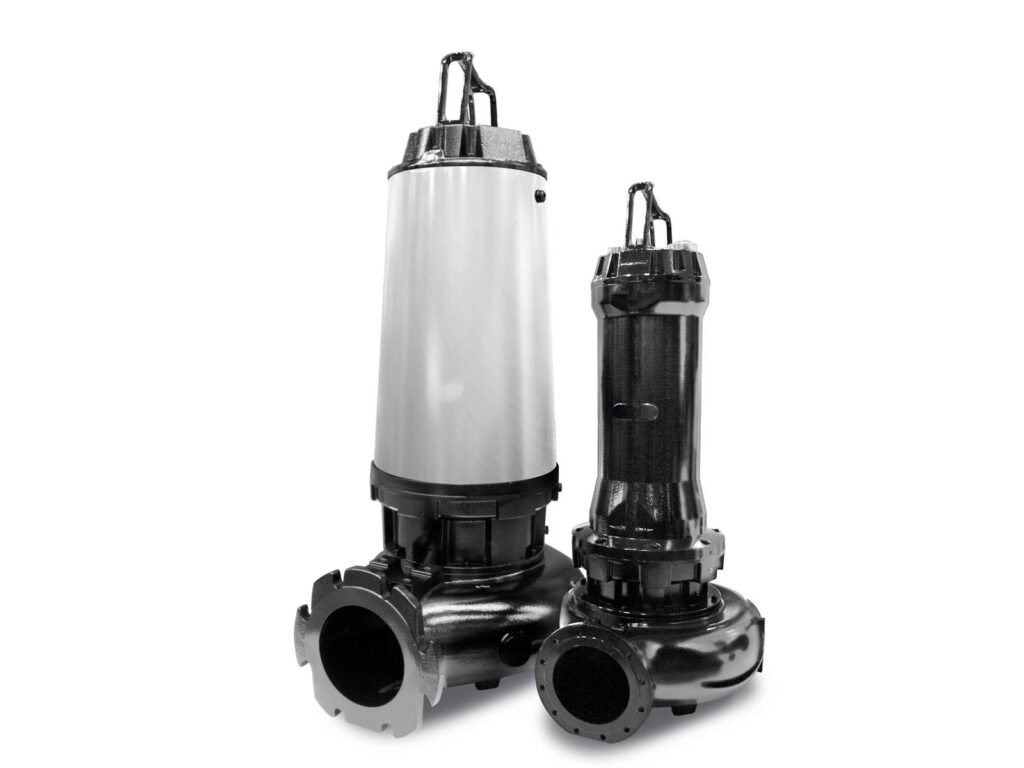
Zenit SPECIAL ALLOY Series

The oil-bath engine and dual mechanical seals, cooled by engine oil, ensure uninterrupted operation even under heavy-duty conditions.
Max. Flow Rate : 260 m3/h
Max. Pressure : 40.2 meters

In stock

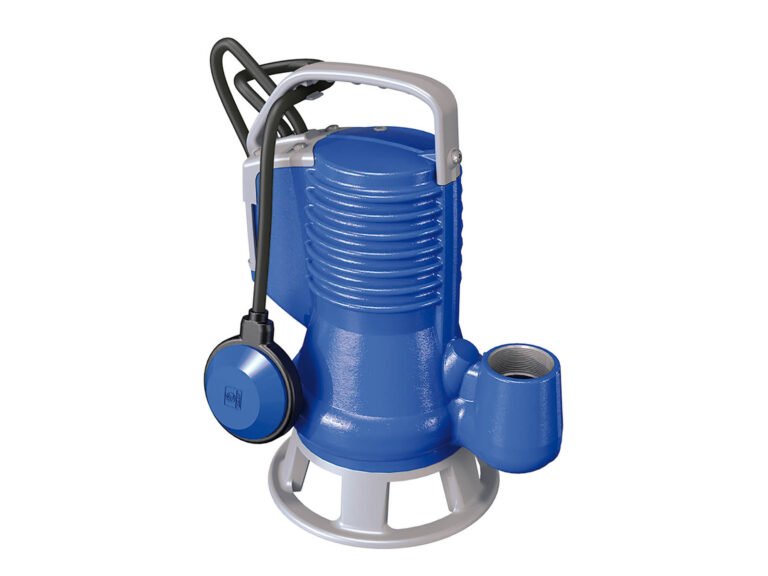
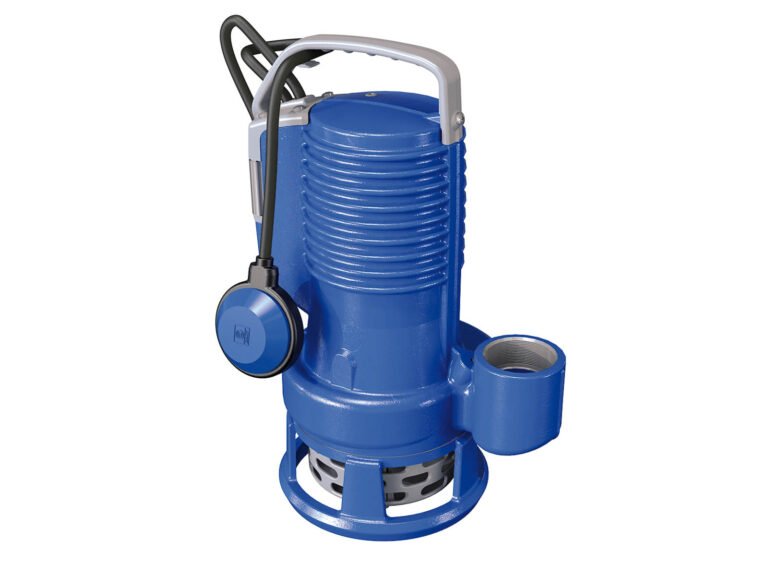
Zenit Blue Series

The Blue Series is designed specifically for domestic and residential applications and stands out with its compact dimensions and superior reliability. Two different hydraulic structure options are offered.
Max. Flow Rate : 25 m3/h
Max. Pressure : 13 meters

In stock

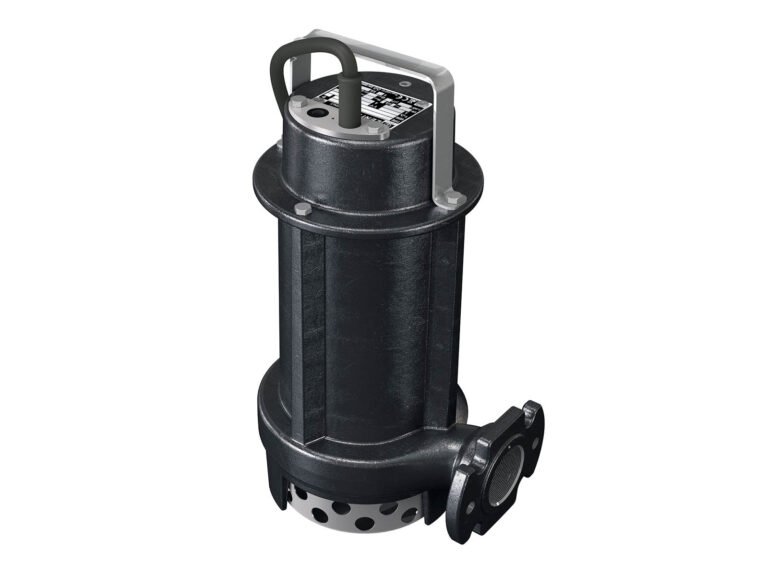
Zenit ES Series

The E Series and S Series models are ideal for small pumping stations where compact size and superior reliability are required.
Max. Flow Rate : 22.6 m3/h
Max. Pressure : 27.6 meters

In stock

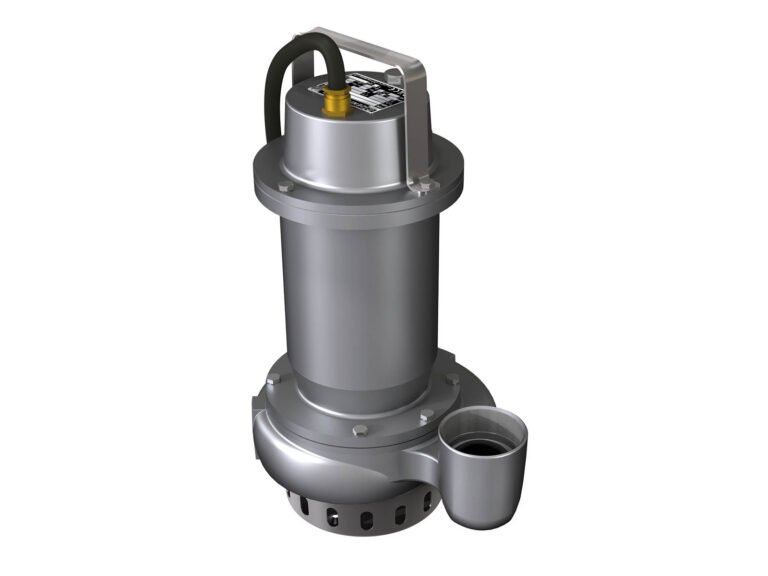
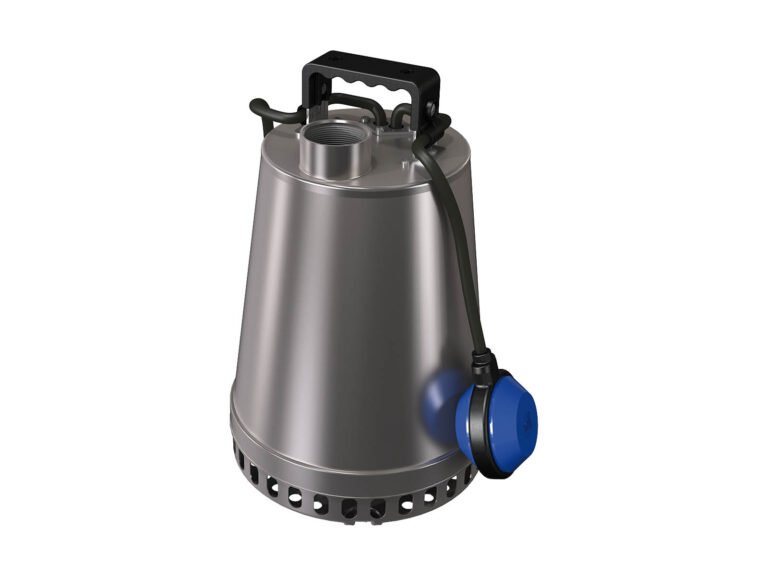
Zenit Steel Series

High-performance, compact stainless steel submersible pumps for domestic and small-scale installations.  
Max. Flow Rate : 20 m3/h
Max. Pressure : 10 meters

In stock

Zenit BluePRO Series

The BluePRO Series is designed for high-performance or long-lasting, heavy-duty applications.
Max. Flow Rate : 40 m3/h
Max. Pressure : 25 meters

In stock

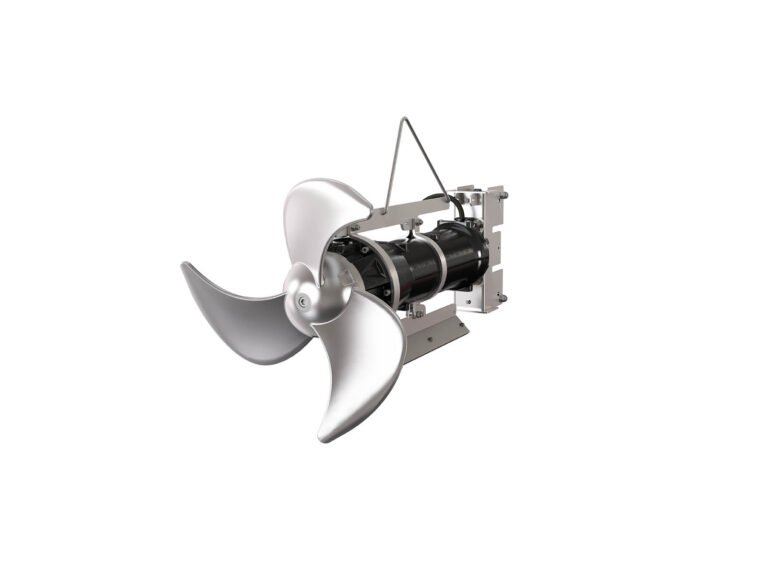
Zenit ZM High-Efficiency Mixing Systems

Submersible mixers are one of the most practical and efficient solutions for mixing liquids in water treatment and purification plants. When properly mounted in tanks, they apply a specific force to the liquid depending on the impeller diameter, shape, and rotation speed, keeping the liquid mass in motion, increasing homogenization, and preventing the formation of precipitates.
Max. Flow Rate : l/h
Max. Pressure : bar

In stock

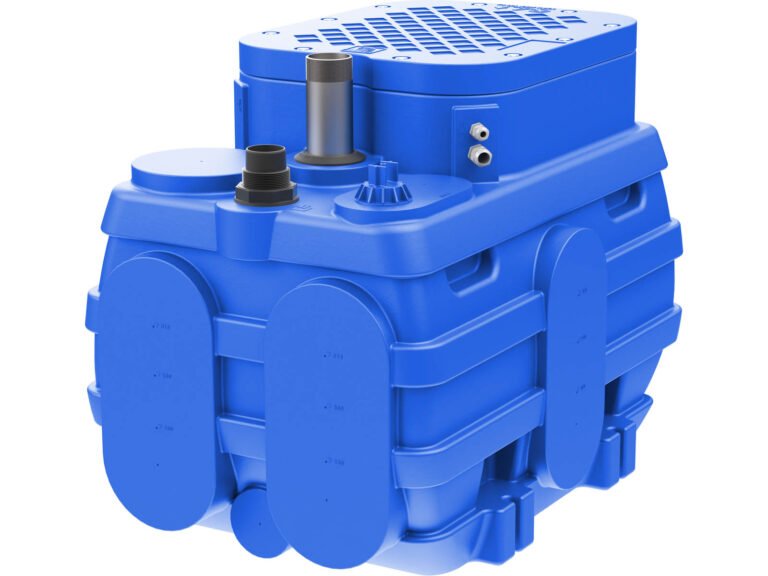
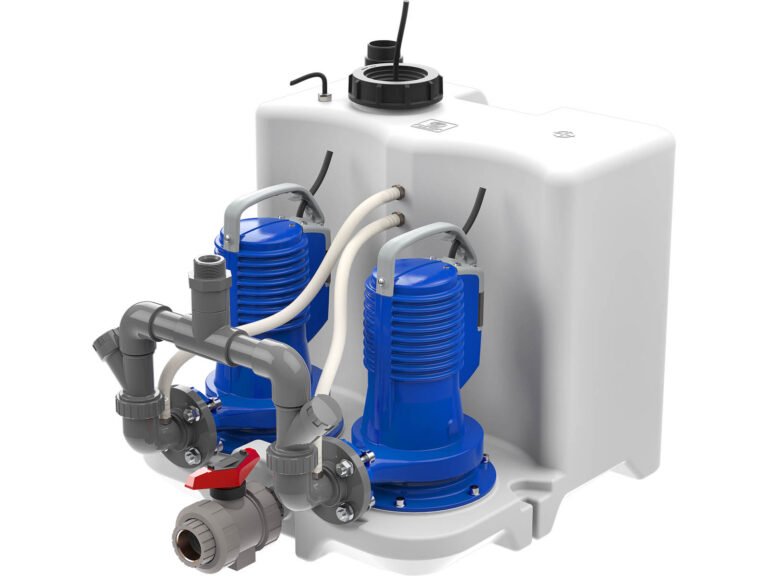
Zenit blueBOX Pumping Stations

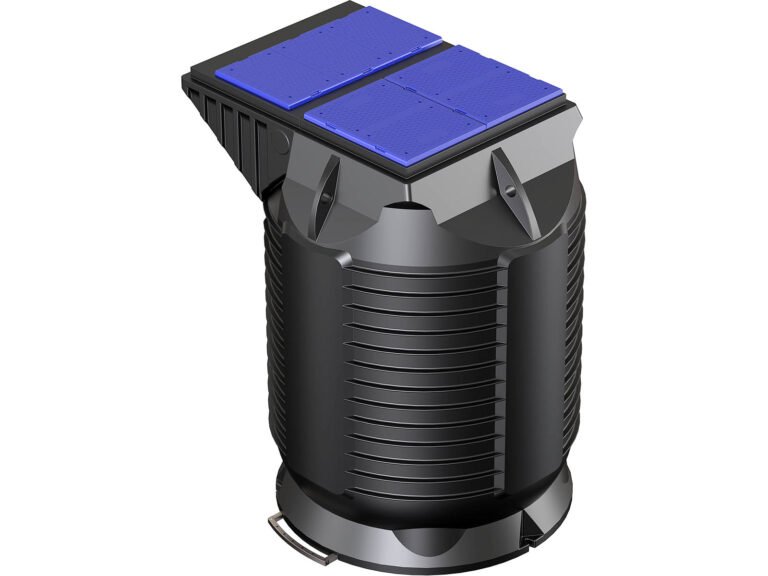
Polyethylene blueBOX pumping stations are an effective solution for collecting and pumping wastewater or drainage water into the sewer system. They are used in situations where the sewer system is very far away or where gravity discharge is not possible.
Max. Flow Rate : l/h
Max. Pressure : bar

In stock

Zenit Jetoxy Submersible Jet Aerators

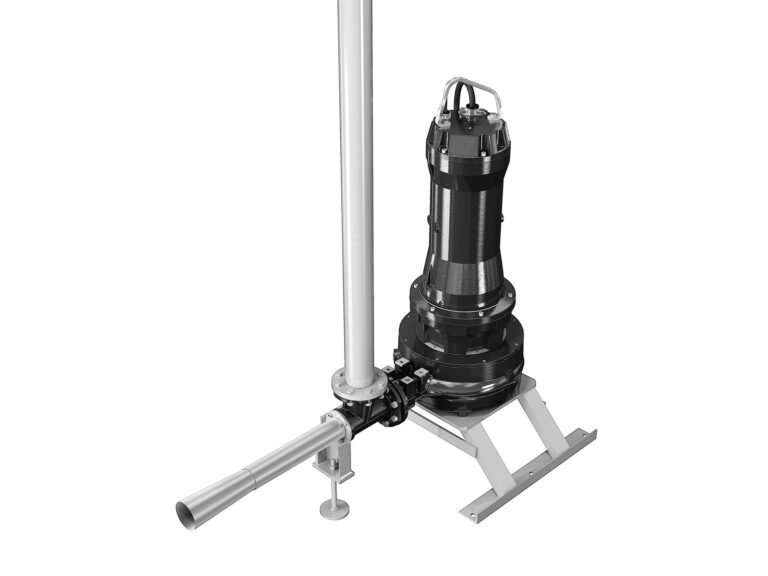
Venturi-type submersible aerators effectively perform both mixing and aeration processes simultaneously.
Max. Flow Rate : l/h
Max. Pressure : bar

In stock

Zenit UNIQA Series Chopper Pumps

Zenit has expanded its UNIQA series by developing models equipped with high-efficiency engines specifically designed for heavily contaminated wastewater and a special Chopper hydraulic system.
Max. Flow Rate : 1020 m3/h
Max. Pressure : 83 meters

In stock

Zenit UNIQA Series

Designed for heavy-duty professional applications, UNIQA series pumps are used in industrial and other wastewater treatment plants to lift and pump sewage and wastewater containing solids.
Max. Flow Rate : 5000 m3/h
Max. Pressure : 90-100 meters

In stock

Zenit liftBOX Lifting Stations

liftBOX pumping stations are designed to collect rainwater, wastewater, or sewage and transfer it to a higher level. These systems enable the transport of water that cannot reach the sewer line or treatment plant, offering an effective solution in situations where drainage by distance or gravity is not possible.
Max. Flow Rate : l/h
Max. Pressure : bar

In stock

Zenit pumpBOX Pumping Stations

pumpBOX is a pre-assembled pumping station certified according to EN 12050-1 and 12050-2 standards.
Max. Flow Rate : l/h
Max. Pressure : bar

In stock

Production of Zenit Wastewater Pumps and Mixers

Zenit Group, specializing in the design and manufacture of wastewater treatment technologies, has grown organically over the years with a deep knowledge and engineering experience in the field.
Thanks to the strong values ​​derived from its family business origins, rapid decision-making, flexible production and customer-oriented solutions form the basis of Zenit's corporate culture.

Its main activities are the design, manufacture and distribution of electric submersible pumps for residential and industrial use.

It continuously improves, refines, and expands its product range by constantly acquiring new technological knowledge and skills.

At Zenit, we offer a wide range of lift stations, aeration and mixing systems, control and monitoring devices. In addition, we provide comprehensive water treatment solutions along with complementary services. We have the capacity to take on the most challenging projects.

How do Wastewater Pumps Work?

The pump type that provides the transfer of wastewater is called a "wastewater pump." These pumps are also referred to as "sewage pumps" or "septic pumps."

What is Wastewater?

Used and contaminated water is called "wastewater." This contamination can result from domestic, industrial, and commercial uses, as well as surface runoff and rainwater. Wastewater may contain physical, chemical, and biological pollutants. Wastewater discharged to the natural environment without treatment causes serious water pollution. Water pollution poses a major threat to both aquatic life and human health. Therefore, wastewater treatment is mandatory for environmental sustainability.

What is a Wastewater Pump?

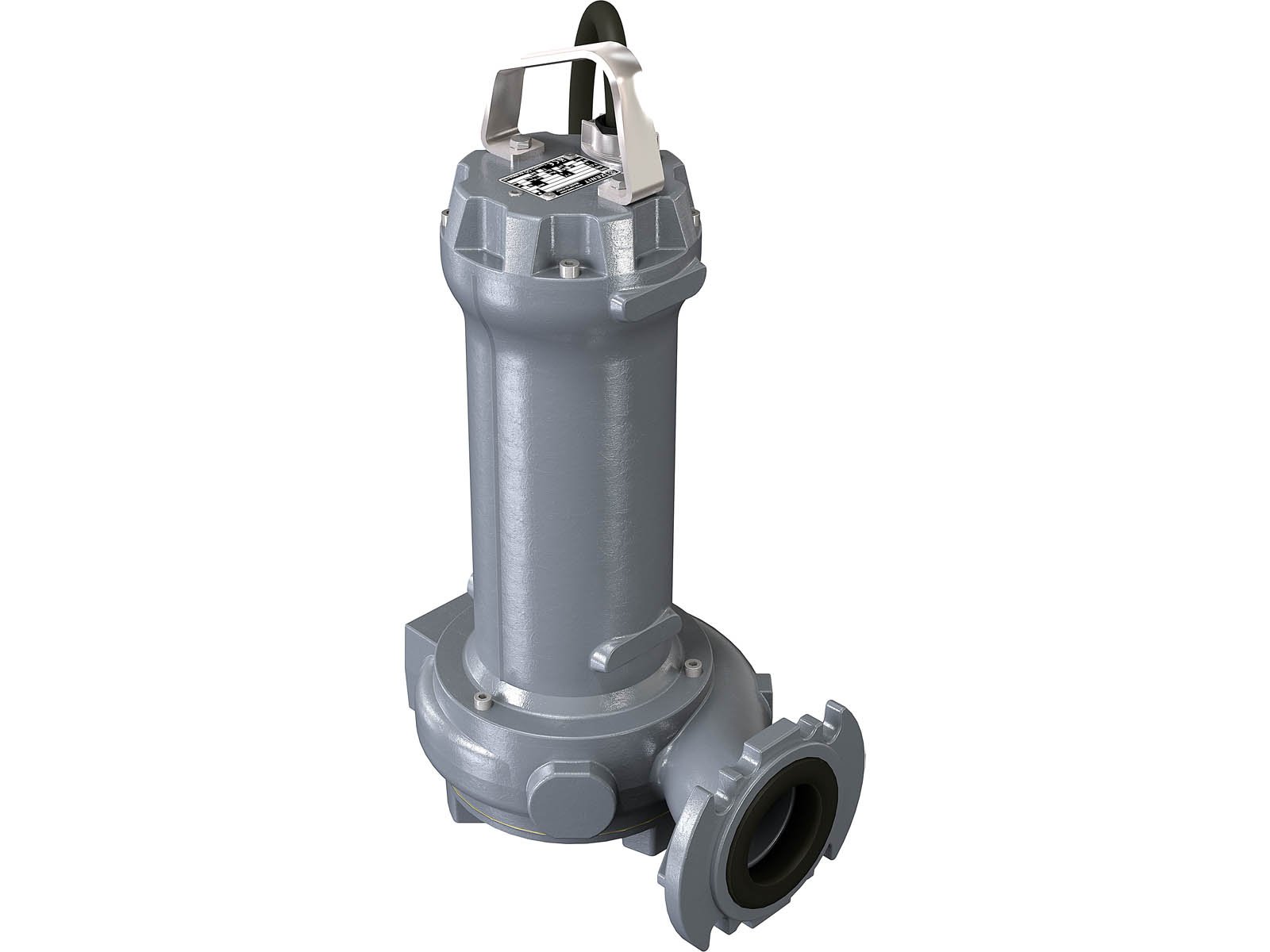
Wastewater may contain dense amounts of solid particles, organic and inorganic compounds. Therefore, wastewater pumps have wider free passage openings compared to other pump types. These pumps, which do not have self-priming features, are generally operated submerged in wastewater. For this reason, they are also known as "submersible pumps" in literature. Additionally, dry-type operating models supported by cooling jackets are also available.

Where Are Wastewater Pumps Used?

Lift Centers

  • Used as lift pumps that enable the transport of wastewater.

Package Lift Stations

  • Provides reliable solutions for wastewater transfer in compact systems.

Flood and Emergency Applications

  • Serves as mobile flood pumps or water drainage pumps.

Tank Emptying Systems

  • Used as tank emptying pumps at the bottom sections of tanks or process units.

Sewerage and Light Contaminated Water Applications

  • As sewerage pumps, ensures safe discharge of contaminated water.

Rainwater and Drainage Systems

  • Serves as ideal basic drainage pumps for rainwater drainage and building infrastructure applications.

How to Select a Wastewater Pump?

Wastewater pump selection is made according to basic centrifugal pump principles. First, the amount of wastewater to be transferred (flow rate) is determined.

Then, where the wastewater will be conveyed is determined, and accordingly, the head losses occurring in the system are calculated.

Whether the pump meets the required flow rate and head loss values is analyzed through performance curves. Appropriate pump selection is made as a result of these evaluations.

Impeller and Installation Types of Wastewater Pumps

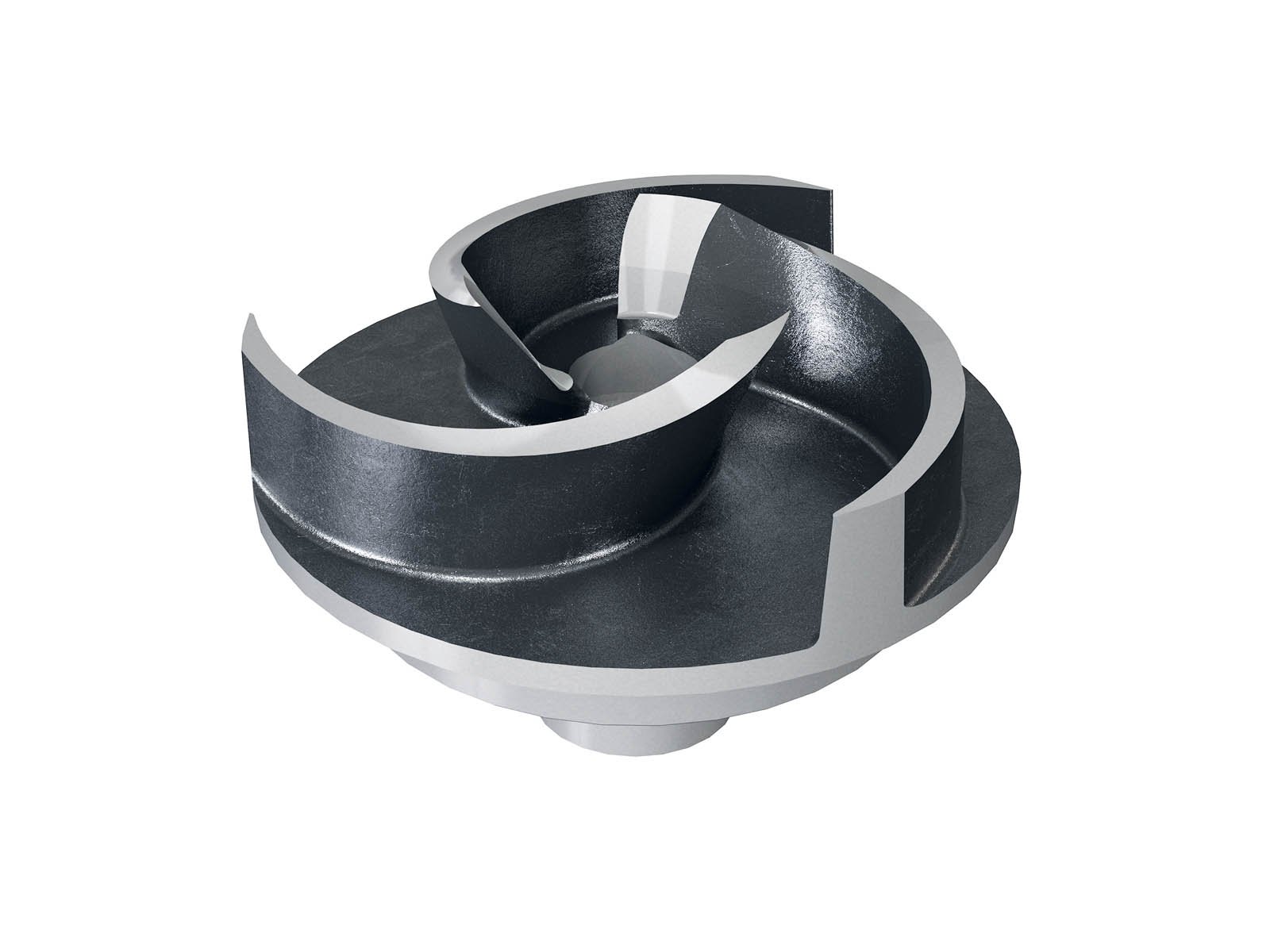
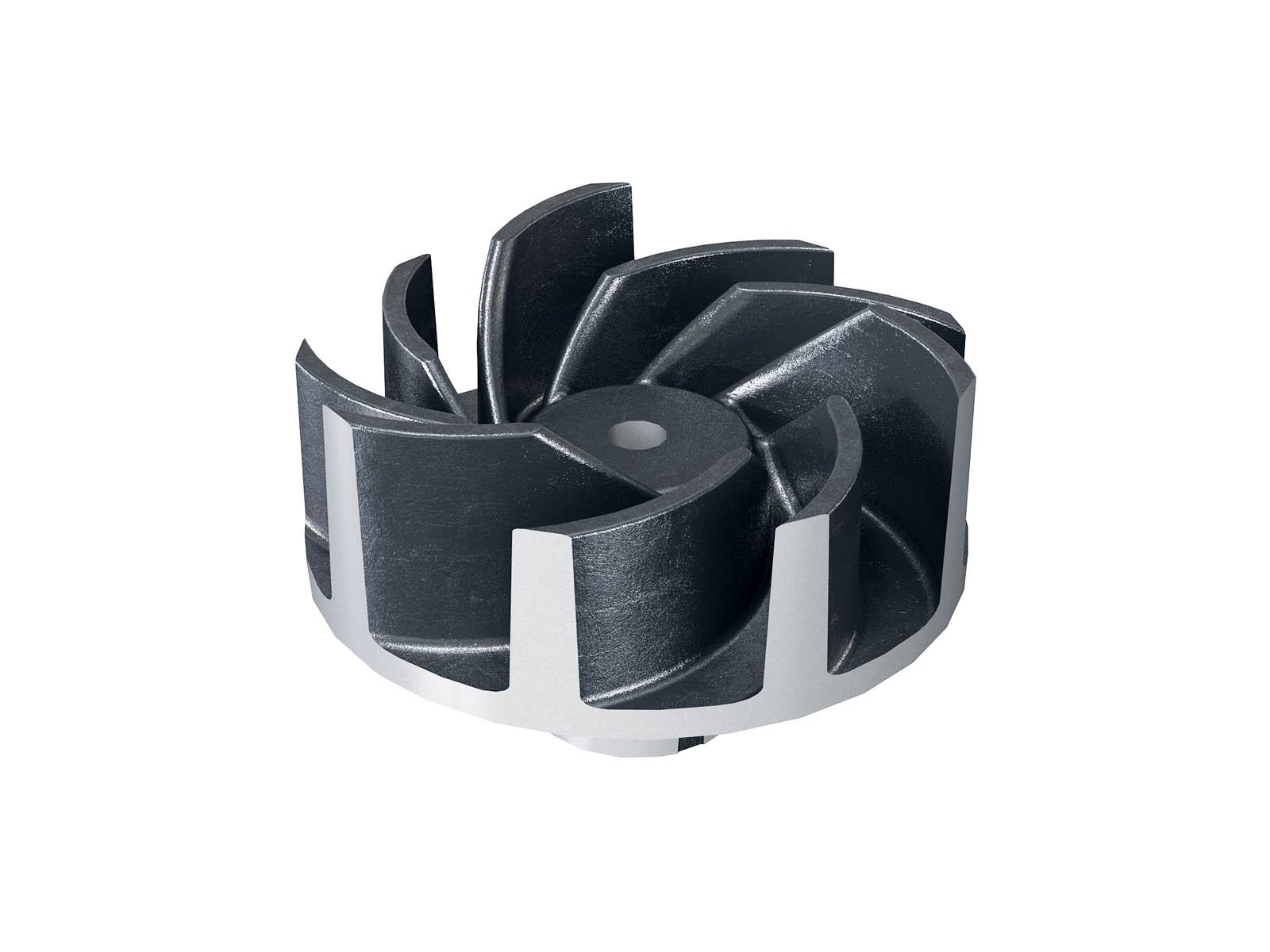
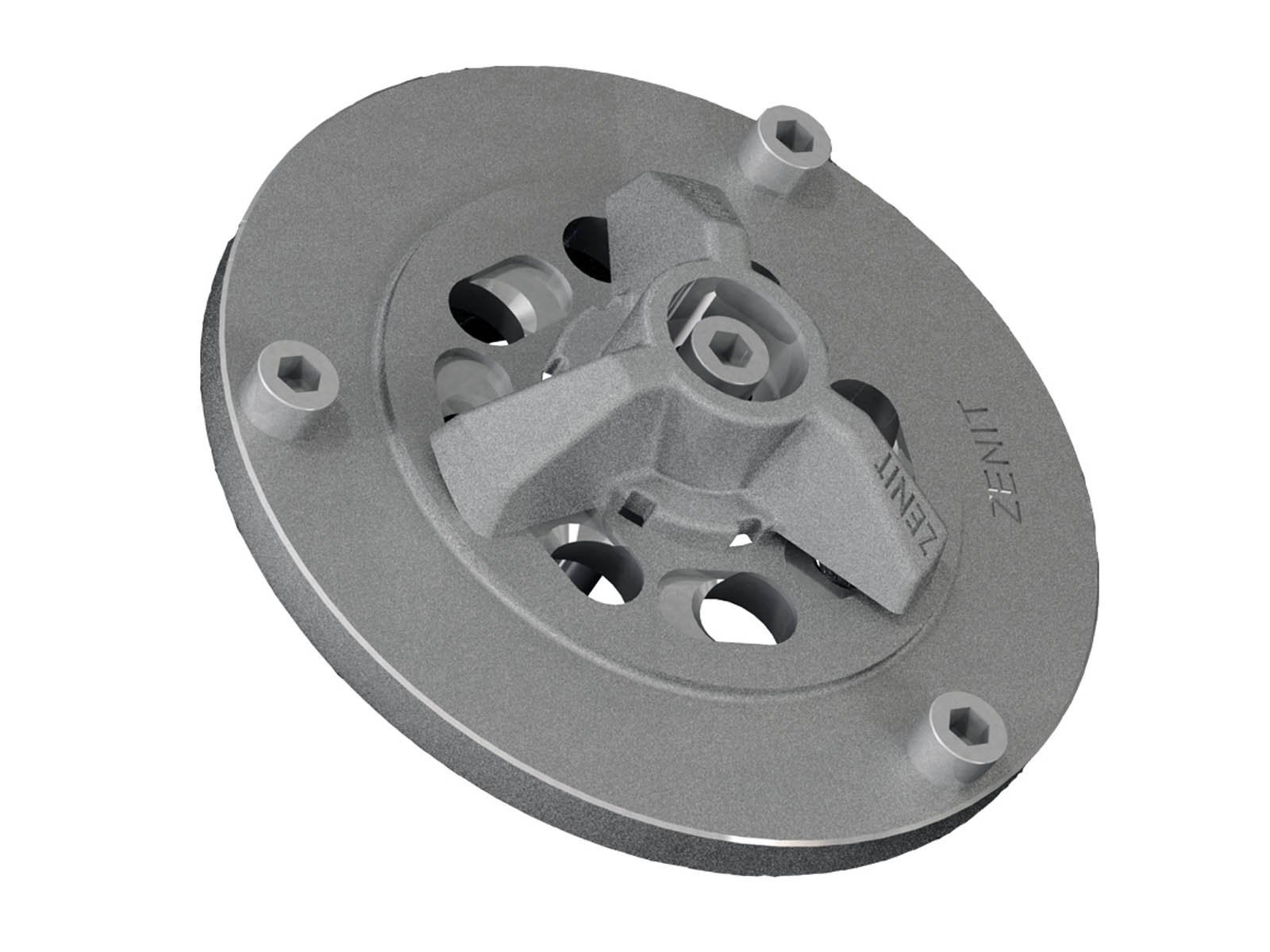
Since the content of wastewater is quite variable, different impeller types have been developed suitable for different contaminants:

For fibrous and stringy wastewater: Grinder blade impeller

For wastewater containing dense solid particles: Cutting blade impeller

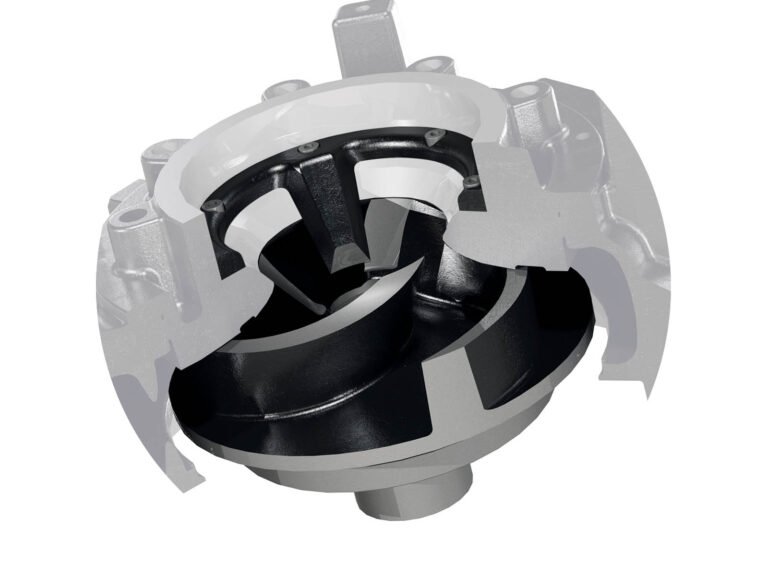
For abrasive content containing sand, oil, and foamy wastewater: Vortex impeller

For high flow domestic wastewater with balanced particle content: Open channel impeller

For applications requiring very high lift: High-pressure impeller

Additionally, wastewater pumps can be installed in three different ways:

Submersible rail system installation (in lift centers or inside tanks)

Installation with portable free-standing base

Installation with dry-type vertical or horizontal mounting bases