How Do Grinding (Colloid Mill Pump) Pumps Work?

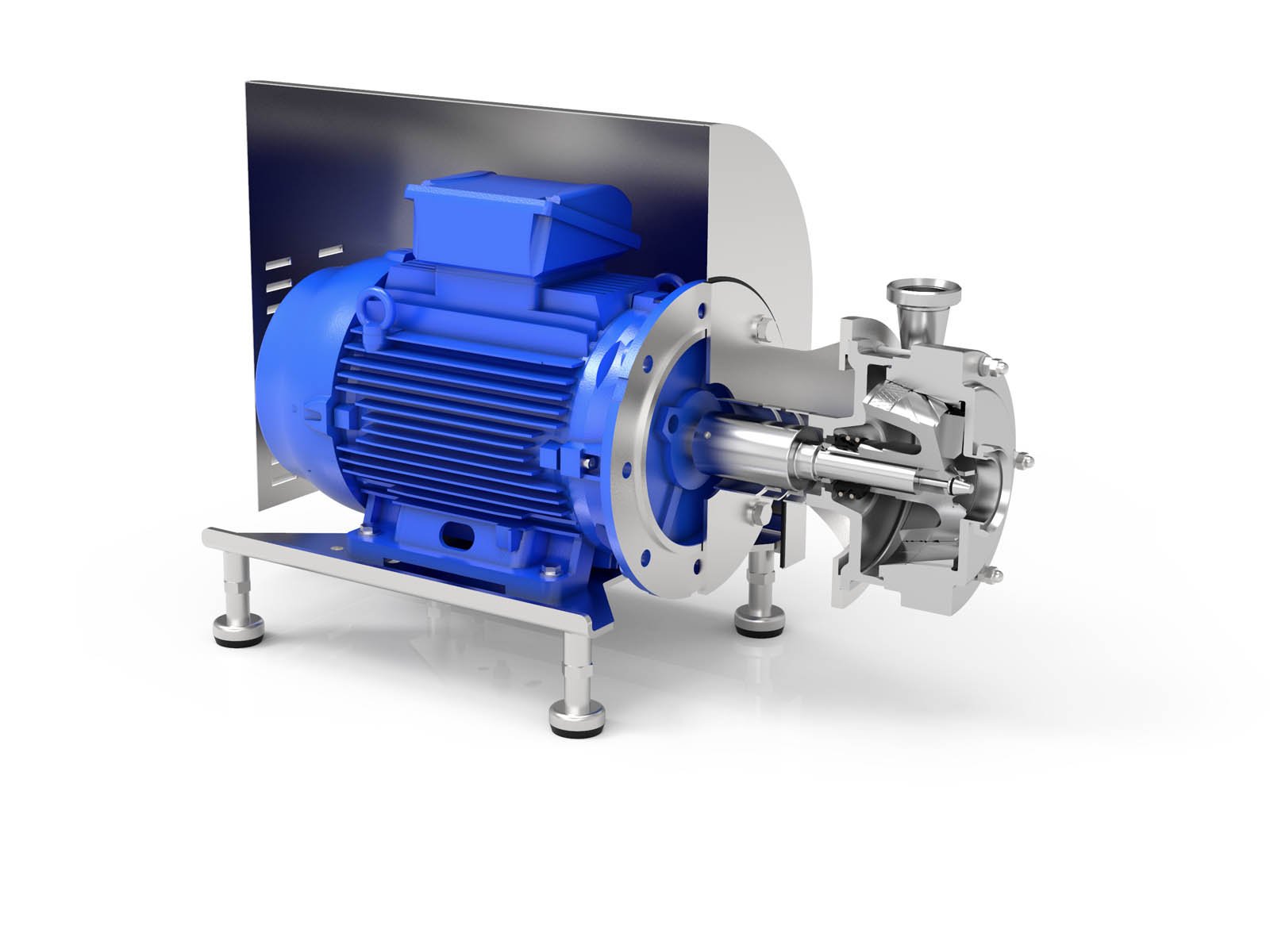
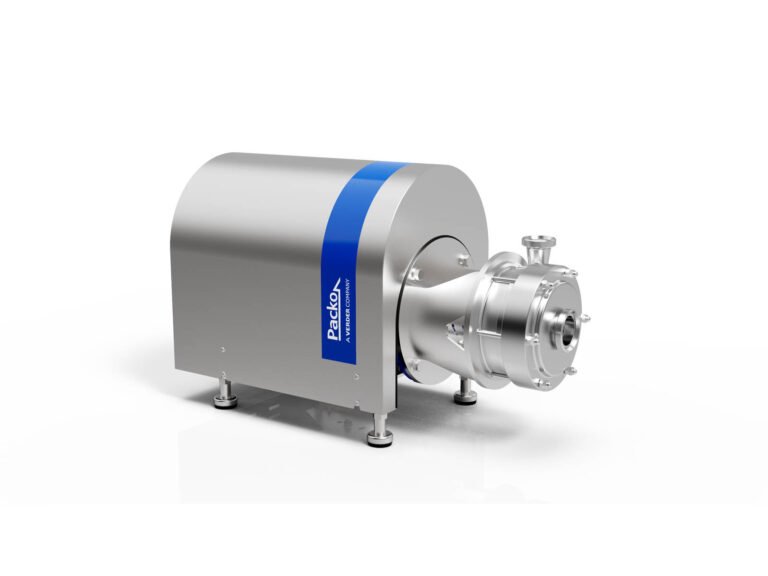
A colloid mill pump is a type of mechanical homogenizer that reduces particles to micron levels with high shear force and grinding effect, while also transferring the product.

This product combines the “grinding + transfer” functions in a single body and can be integrated into continuously operating inline systems.

Why Use It?

Colloid mill pumps are particularly suitable for:

  • Emulsifying two-phase systems (oil-water)
  • Suspending solid particles
  • Dispersing agglomerated material
  • Improving product consistency and texture
  • Controlled reduction of particle size

Operating Principle

It contains a rotor that rotates at high speed and a fixed stator:

  1. The product is fed into the narrow gap between the rotor and stator.
  2. The rotor rotates at a speed of 3,000 – 15,000 rpm
  3. The liquid is continuously forced to shear and intensive shear occurs.
  4. Particles are broken down to micron or sub-micron levels.
  5. The flow is sent back to the process by the pump pressure.

The gap distance is adjustable and thus optimized according to the targeted particle size.

Usage Areas

Sector

Application

Food

Mayonnaise, ketchup, chocolate, ice cream, peanut butter

Cosmetics

Creams, lotions, makeup products

Pharmaceutical

Suspensions, ointments

Chemical

Paint, resin, detergent, silicone

It is very effective especially in viscous and challenging products.

Difference from High Shear Pump

Feature

Colloid Mill Pump

High Shear Pump

Main mechanism

Grinding + high shear

High shear + turbulence

Particle size

Smaller & precise

Wider range

Process type

Superior in dense & viscous products

In more fluid systems

Mode of use

Batch/Inline

Generally inline

Maintenance

Slightly higher

Easier

  • If final particle size is criticalcolloid mill
  • If speed + inline production is a priority → high shear pump

Advantages

Advantage

Benefit Provided

Sub-micron particle size

Texture and product stability increase

Homogeneous phase distribution

Phase separation and precipitation are prevented

Efficient in dense products

Wide product range

Continuous inline operation

High capacity

Hygienic design

Suitable for food & medicine

Things to Consider

  • Rotor-stator selection is critical in products containing abrasive solids.
  • Temperature may increase → cooling jacket is recommended
  • May cause shear damage in very sensitive bio-products
  • Requires robust line supports for vibration