During the suction stroke, the pistons fill with oil, which is transmitted to the back of the diaphragm, creating hydraulic balance with the pressure on the fluid side.
During the discharge stroke, the suction valve closes while the pressure valve opens, and the fluid is transmitted to the pump line.
Springs pull the diaphragm back to its initial position, and the cycle repeats—thus, continuous pumping occurs.
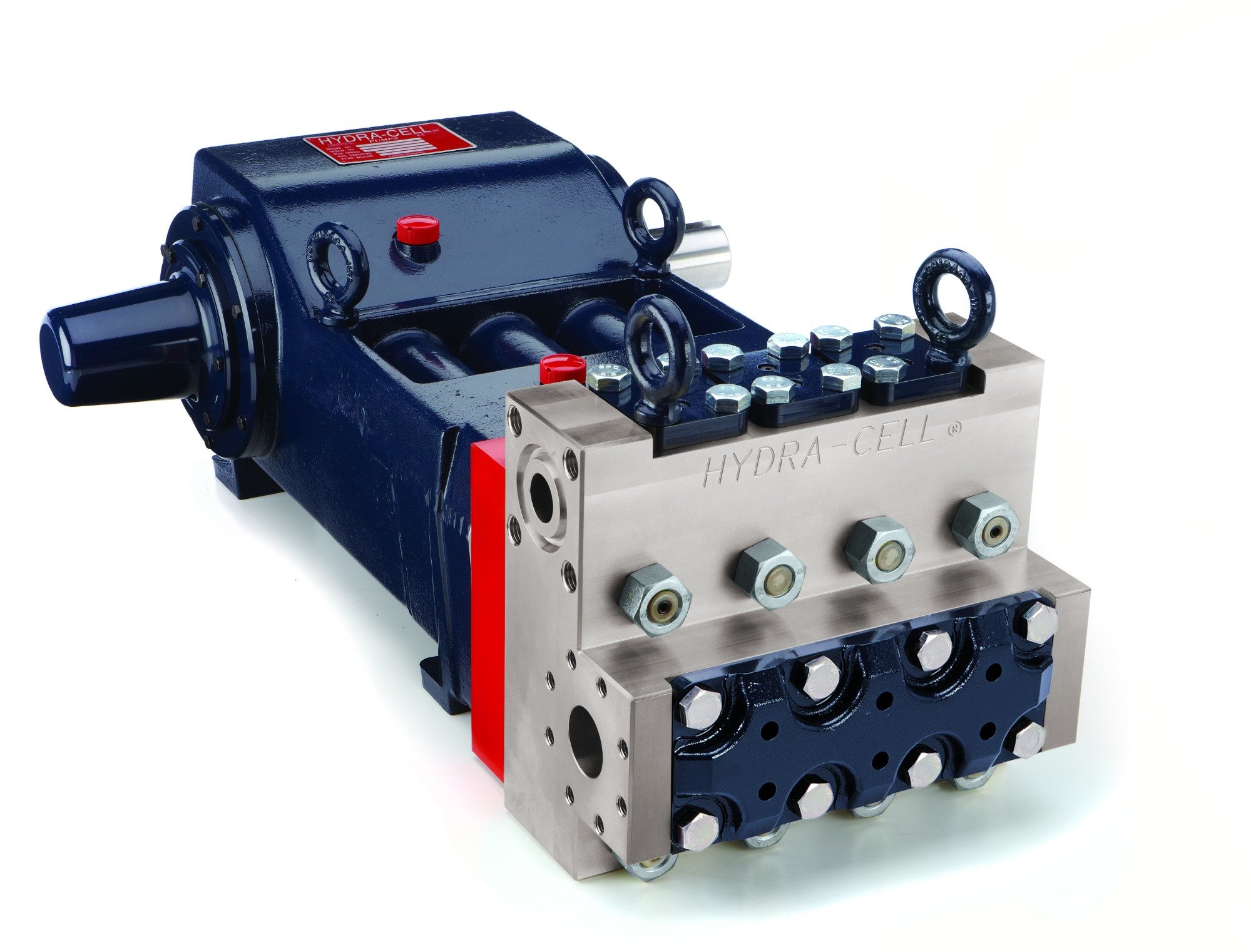
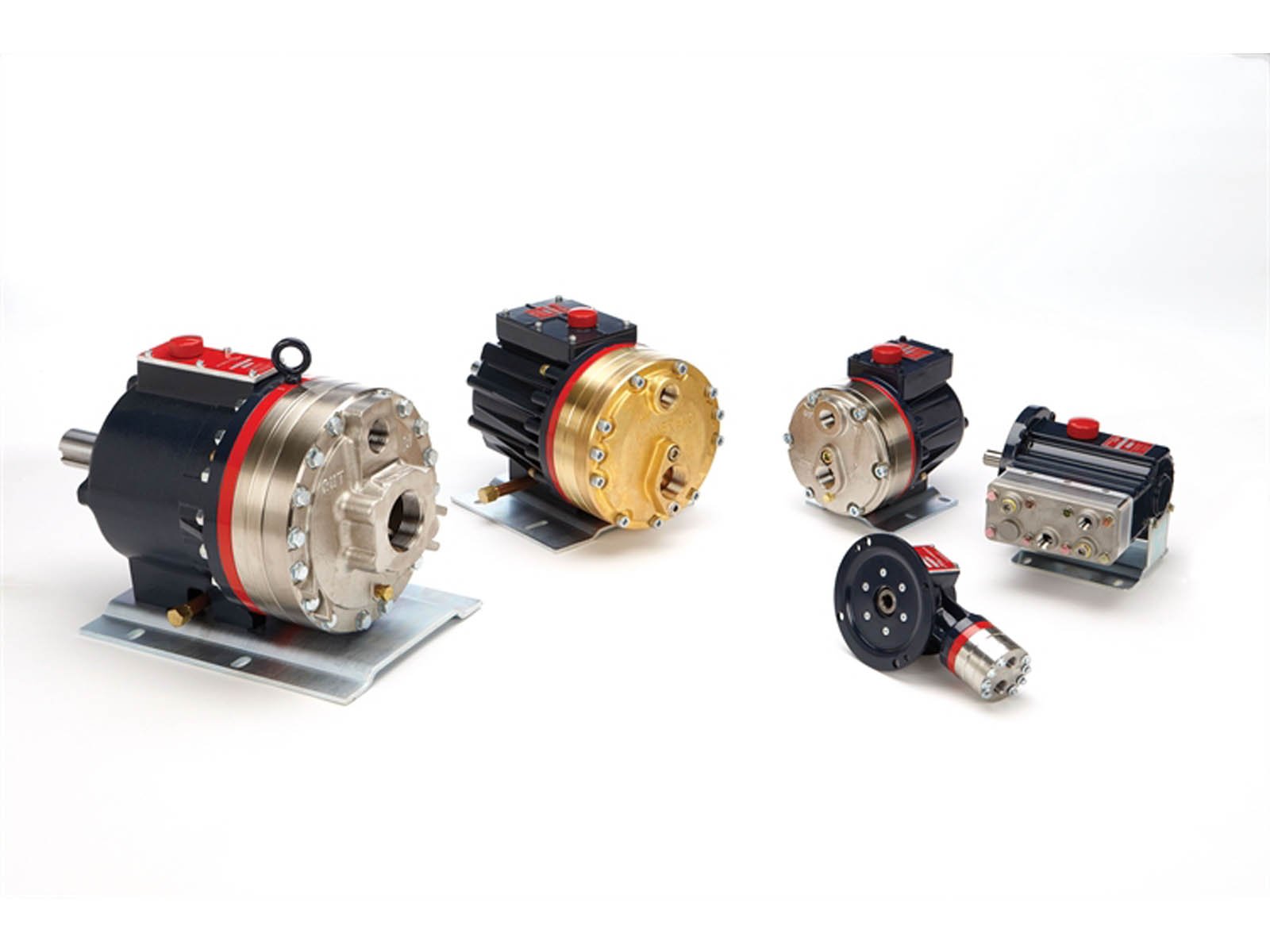
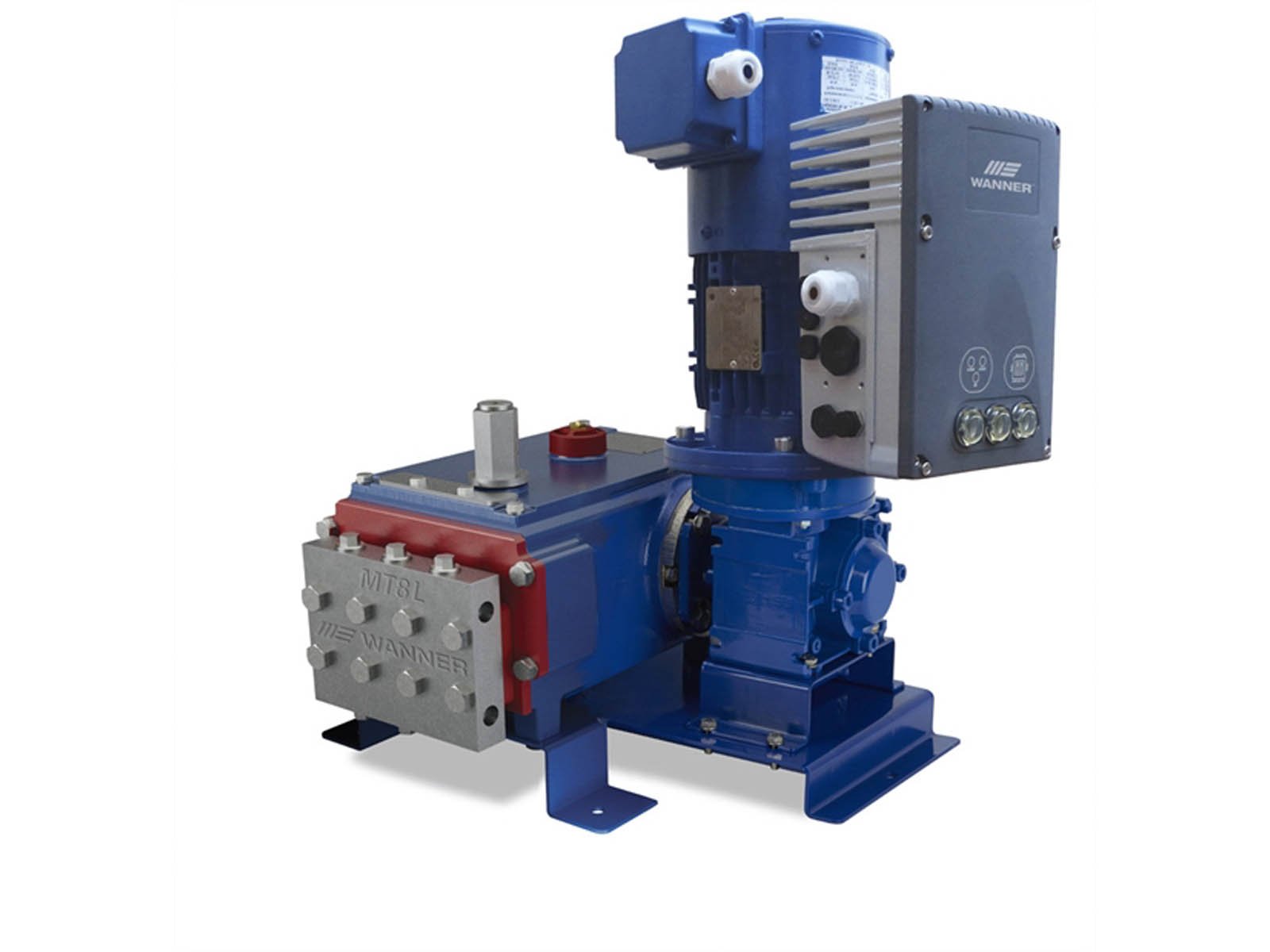
Piston diaphragm pumps offer an excellent solution for high-pressure applications and stand out with their high energy efficiency. Thanks to their virtually vibration-free flow characteristics and robust design, they have proven themselves in many industries. The unique operating principle of Verderbar piston diaphragm pumps allows them to pump fluids containing solid particles without vibration.
Crankshaft Mechanism
The crankshaft is held in position by ball bearings located at each end of the shaft. Between these bearings, the pistons are connected to one or three cams. The other ends of the pistons are connected to spring-loaded check valves. The entire mechanism operates within an oil bath.
- As the drive shaft rotates, each cam-connected piston operates.
- This movement converts the axial motion into the linear pumping motion of the diaphragm connected to the piston.
- Each piston is located in a separate oil chamber that equalizes the oil pressure behind the diaphragm to the pressure on the media side.
- During the discharge stroke, the oil is compressed, causing the diaphragm to move outward, which forces the fluid out of the pump head.
- When the diaphragm retracts, fluid is drawn into the suction side of the pump head.
- The pistons are operated sequentially and regularly by the drive shaft.
- This process causes the vibrations to overlap, thus creating an almost vibration-free flow.
Asynchronous Design
The asynchronous design principle is the same as the crankshaft principle. However, the diaphragms are not mechanically connected to the pistons. Instead, they are hydraulically controlled. This feature provides much higher performance with less mechanical stress.
- The underflow or overflow valve ensures that the diaphragm remains hydraulically balanced.
- During the discharge stroke, the oil in the valve chamber is compressed onto the diaphragm, causing the diaphragm to move.
- This system eliminates the environmental concerns of packed piston pumps.
- It provides an almost vibration-free and linear flow without the need for a pulsation damper.