Key Factors for Choosing the Right Mixer
Choosing the right product requires considering many factors, and experience plays a major role in this process.
The main parameters to consider when selecting a mixer are as follows:
- The shape, size, and geometry of the tank.
- Tank wall material and friction level
- Elements within the tank that create resistance (pipes, vents, etc.)
- The distance between the mixer impeller and the tank walls.
- Type and specific gravity of the liquid to be processed
- Distance between mixers (for multiple installations)
Common Challenges in Wastewater Mixing
In the face of rising costs and stringent regulations, the main challenge in wastewater mixing is to achieve the best results using minimum resources. Here are five common challenges that treatment plants may encounter when designing and operating mixing systems:
- Choosing the Right Type of Mixer
- Wastewater treatment plants can utilize different types of mixers, including top-entry and submersible mixers. The mixer selection should consider the treatment stage, the type of liquid to be mixed, and the mixing objectives. The aim is to achieve maximum efficiency using minimum energy.
- Top-entry mixers are installed directly inside the tank, operating similarly to a ceiling fan and directing energy to the bottom of the tank. However, in large or flat tanks, areas of poor mixing may occur, and installation costs can be high.
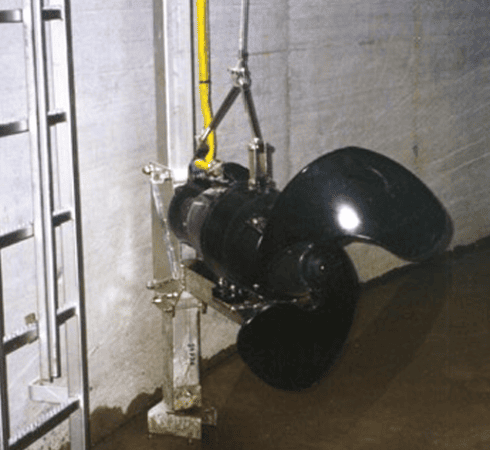
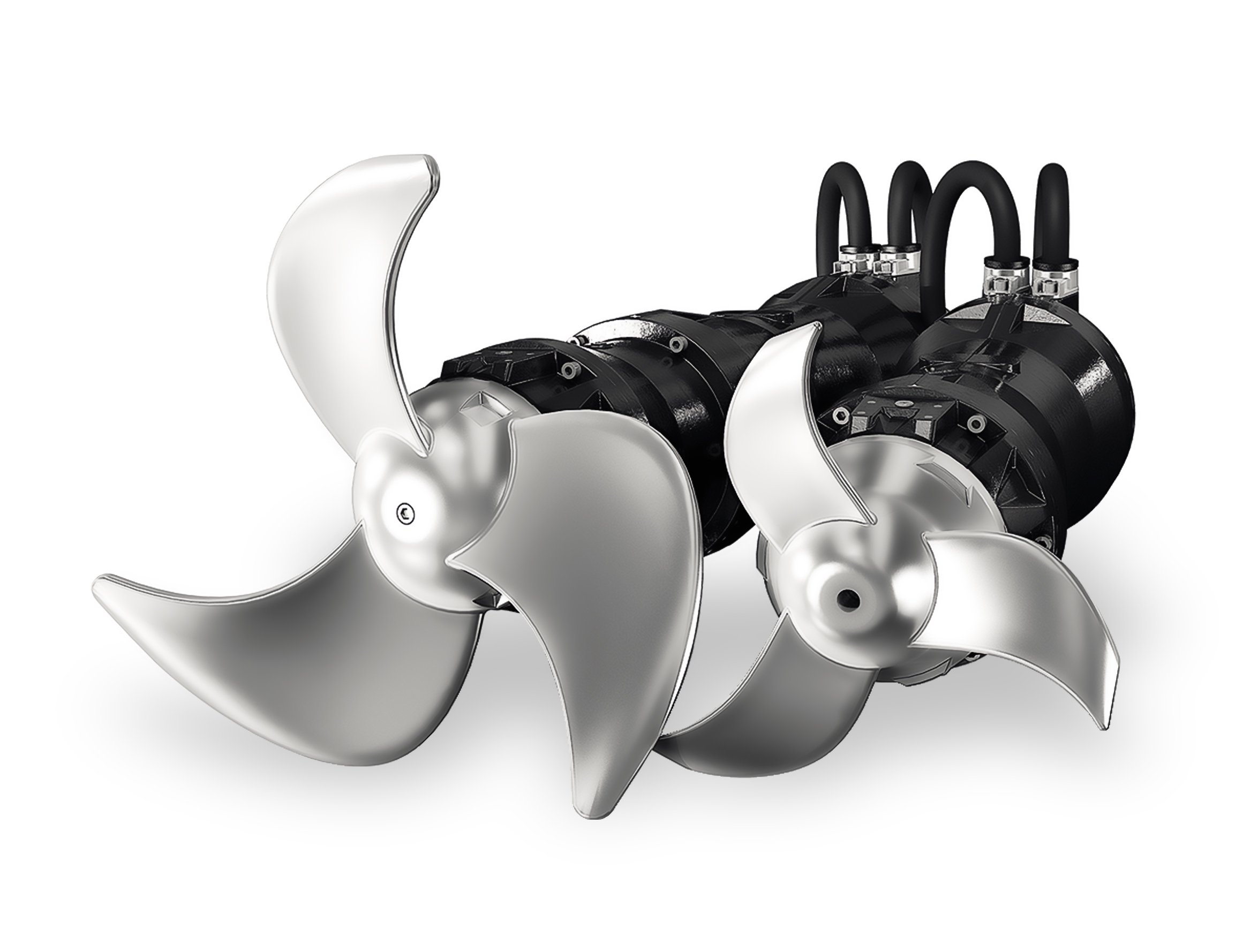
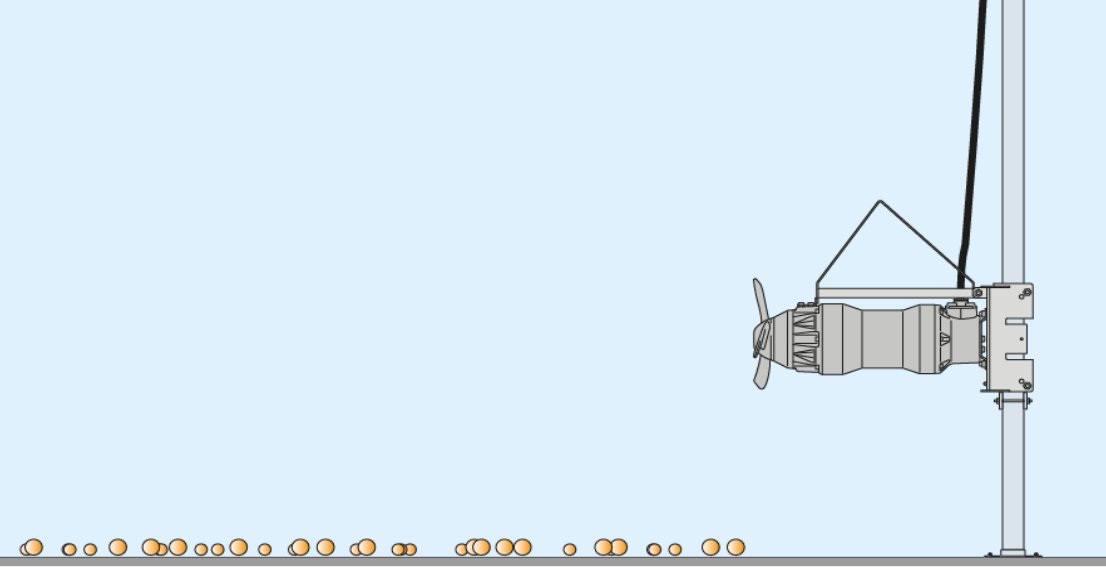
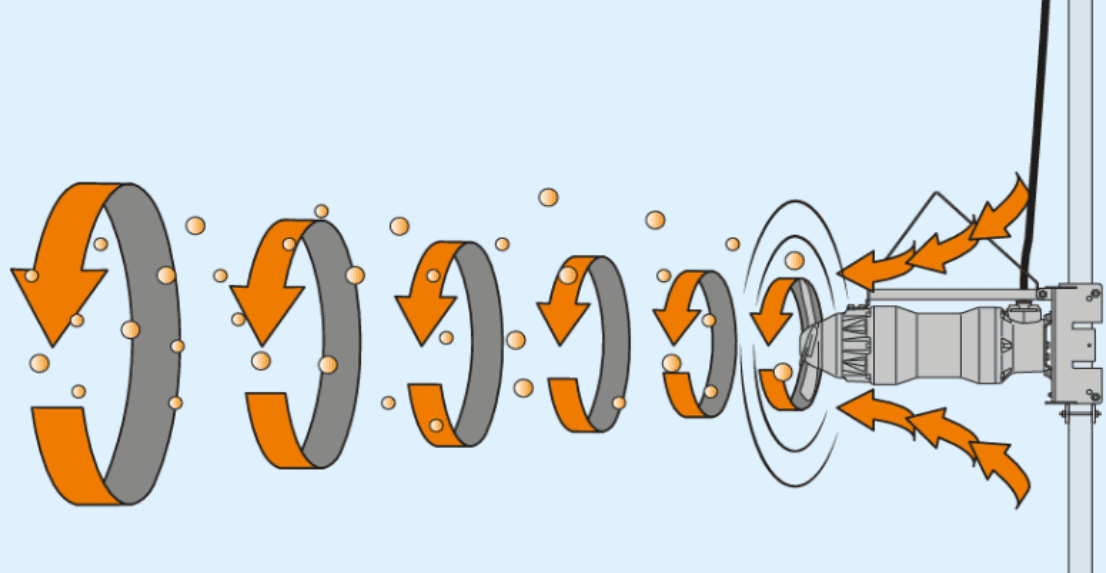
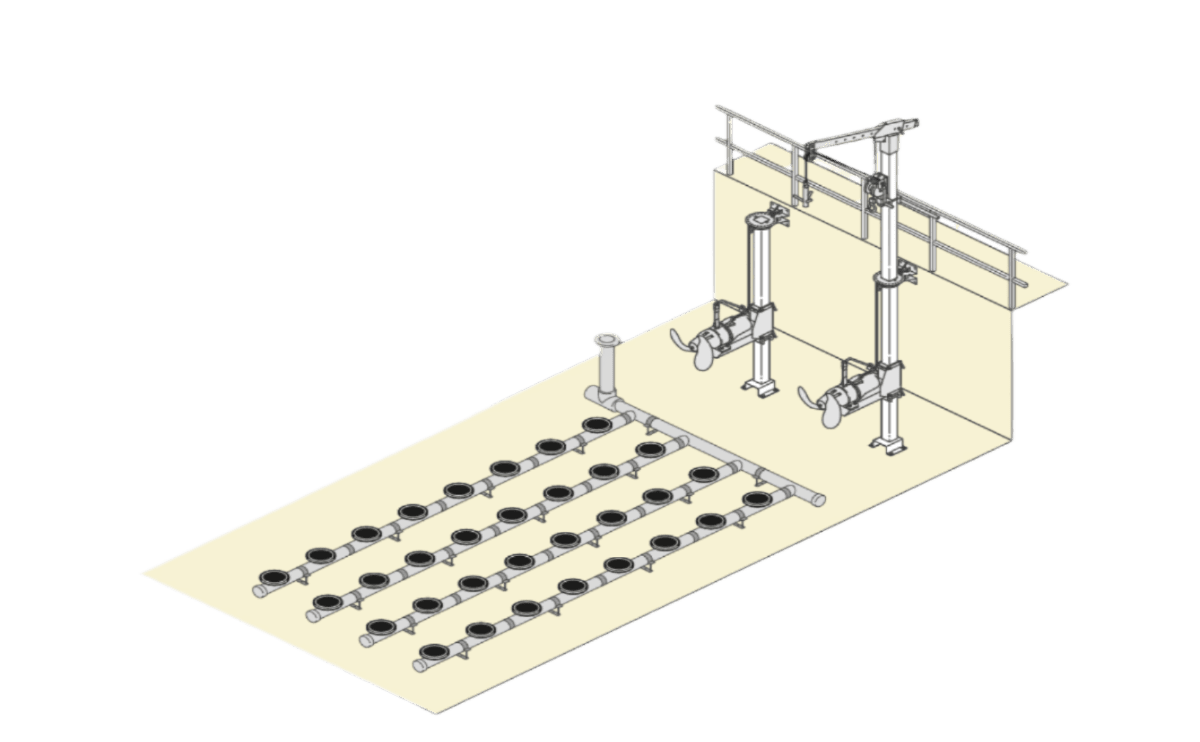
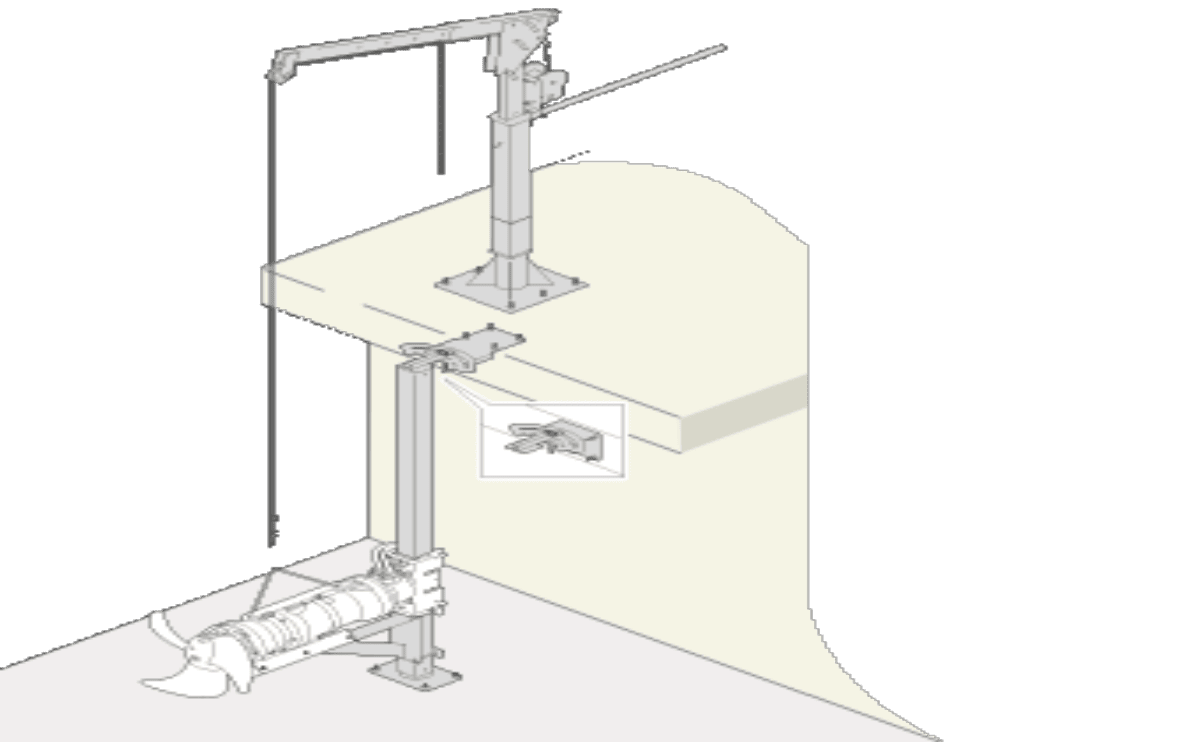
- Submersible mixers are mounted at specific angles to the side of the tank and create a cyclical flow within the tank. This flow becomes sustainable with less energy once a full cycle is completed, therefore submersible mixers provide optimal results with lower energy consumption compared to top-entry mixers. When choosing a submersible mixer, it is important that the vendor can offer a solution that includes mixer positioning.
- Choosing the Optimum Mixer Size
- In the past, many wastewater treatment plants chose excessively large mixers to ensure ideal mixing despite varying flows. However, nowadays, with energy consumption and nutrient removal becoming priority considerations, plants need to select mixer sizes more carefully.
- Excessively large mixers can lead to unnecessary energy consumption during low-flow periods and negatively impact mechanical stability by increasing surface mixing.
- Power: This refers to the energy a blender uses, but more power doesn't always mean better blending.
- Thrust: This is the force that the mixer applies to the liquid. The thrust/power ratio indicates how efficiently the mixer operates. The higher this ratio, the more efficient the mixer.
- Determining the Optimal Mixer Position
- The position and orientation of the mixer are critical to ensuring that the mixture is evenly distributed throughout the entire tank volume.
- A submersible mixer should be positioned so that the water hits the walls and creates a swirling flow.
- Incorrect positioning can create dead zones within the tank and reduce mixing efficiency.
- Therefore, choosing a vendor that offers flow dynamics modeling (CFD) to determine the optimal mixer placement is the most cost-effective solution.
- Reducing Mixer Energy Consumption
- To reduce energy consumption, mixers with the following features should be preferred:
- Variable speed setting
- High-efficiency IE3 or IE4 motors
- Hydraulic designs that provide high thrust power.
- Monitoring and Controlling Mixers
- Because conditions in wastewater treatment plants are constantly changing, monitoring and adjustment of mixers is essential.
- Mixer speed, power consumption, and flow rates must be continuously monitored.
- Intervention is required if overheating, leaks, or blockages are detected.
- Choosing a mixing solution with automated monitoring and remote control systems minimizes manual operations, reduces energy consumption, and increases system efficiency.
Result
Efficient operation of wastewater mixing systems is critical for both energy savings and optimal treatment processes. Selecting the right mixer, using the appropriate size, positioning it correctly, and continuously monitoring it will reduce costs and facilitate compliance with environmental regulations.