Blog

How to Transfer Hazardous Fluids?

"Right equipment, right process, zero leakage"

Most chemicals are either toxic, volatile, or highly corrosive and therefore must be handled with care. Chemicals can pollute and harm the environment and pose a danger to your health.
Due to all these risks, the responsibility of safely establishing facilities and processes in the chemical industry is very significant and substantial.

The Danger of Chemicals

In industrial applications, a wide variety of chemicals are used for both the production of industrial goods and consumer goods. Additionally, they are used in domestic wastewater treatment, chemical waste applications, the pharmaceutical industry, or industrial wastewater treatment. They are also used in surface treatment and coating applications in the industry, such as hot-dip galvanizing baths in the galvanizing industry or in hygienic applications like CIP processes for cleaning hygienic equipment.
Many chemicals are considered compound chemicals, such as methylbenzene or toluene. These are often used as solvents in adhesive compounds.

When inhaled, these solvents are very dangerous to the central nervous system and can cause memory loss. It is known that these substances can also lead to the development of cancer. One of the most commonly used acids in the industry is sulfuric acid. It is used in the production of artificial fertilizers and is found in automotive batteries where it acts as an electrolyte.

Sulfuric acid can cause severe burns upon contact with the skin; undoubtedly, it is extremely important to organize the production process safely in these processes, and leakage must be 100% prevented. The use of hydrochloric acid can damage the lungs, tooth enamel, and eyes, leading to long-term health complaints. Where acetone or hydrogen fluoride is used, it is crucial to take safety precautions.

Chemicals are usually delivered to the factory in containers, barrels, or IBCs. From here, chemicals are transported to the part of the production line where they are used, such as storage tanks or reactors. Chemicals are then mixed, diluted, or used as solids in mixtures. After this, it may be necessary to filter the residue. Additionally, the risk of leakage must be completely eliminated at this stage of the process.

Leak-Free Operation and Full Utilization of Fluid

The seal (sealing element) is a critical factor for the safe operation of the pump. In the world of industrial pumps, "A pump is only as good as its seal" is a well-known saying. The type of pump limits the choice of seal. This will be easily understood when comparing seal-less pumps with sealed pumps.

Soft-Sealed Pumps

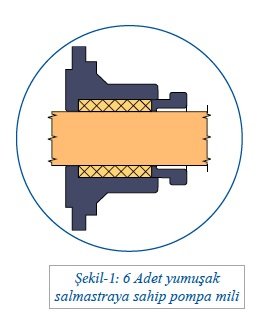
In most types of pumps, such as centrifugal pumps, gear pumps, and lobe pumps that use a sealing element over the shaft, a seal must be provided between the fluid to be pumped and the shaft. For this, a stuffing box and soft packing can be used (figure 1). However, the disadvantage of soft packing is that the rings heat up during operation, which is very dangerous in ATEX environments. These seals work well only when the fluid is used as a coolant and lubricant. A stuffing box requires a lot of maintenance and, at the same time, a lot of ultimate wear can occur as a result of wear. This defect occurs more frequently when pumping crystallizing liquids, which can leak into the ambient air.

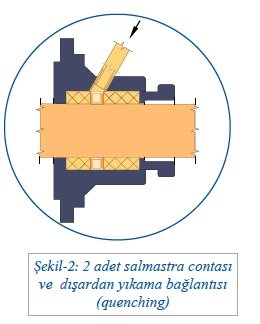
A sealing chamber or external flushing system can offer a solution (Figure 2). Still, the fluid can leak from the seal rings placed inside the chamber. With an external flushing system, the fluid can be significantly diluted. An alarm can be placed in the chamber to report pump failure and leakage when the liquid level rises. Using this type of pump when transferring hazardous chemicals is expensive. The main reason for this is the high maintenance and frequent replacement costs of the barrier fluid and seals, not to mention the downtime and associated costs.

Mechanical Seals

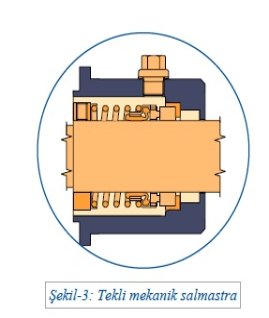
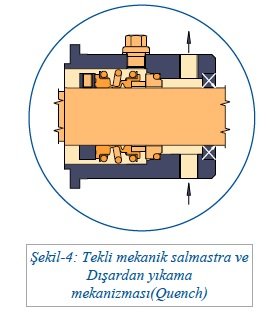
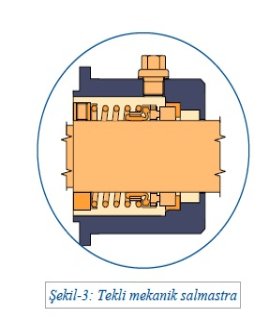
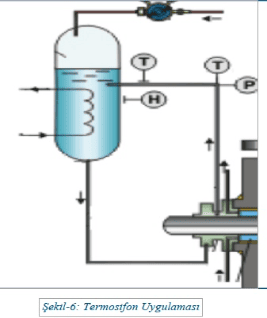
The use of mechanical seals in process pumps is much more common because they are much safer (Figures 3 and 4). A mechanical seal has a spring-loaded tension. The sealing surface is cooled and lubricated with liquid. However, since the seal rotates against a fixed surface, it will show wear quickly. A single mechanical seal is very sensitive to leaks. Liquid can leak, drip, or evaporate, allowing unnoticed vapors to escape into the ambient air, leading to dangerous situations. Even if a double mechanical seal is used (Figure 5), the wear described above will occur on the first seal. The sensitivity to leakage is reduced, but the high maintenance costs described for the single mechanical seal remain the same. Here, too, installing an alarm system is an absolute necessity. A double mechanical seal requires a thermo-siphoning system (Figure 6) or an extra pump to maintain pressure. Spare part costs and the labor costs involved (such as maintenance, inspection, and installation) must also be considered.

Seal-Less Pumps

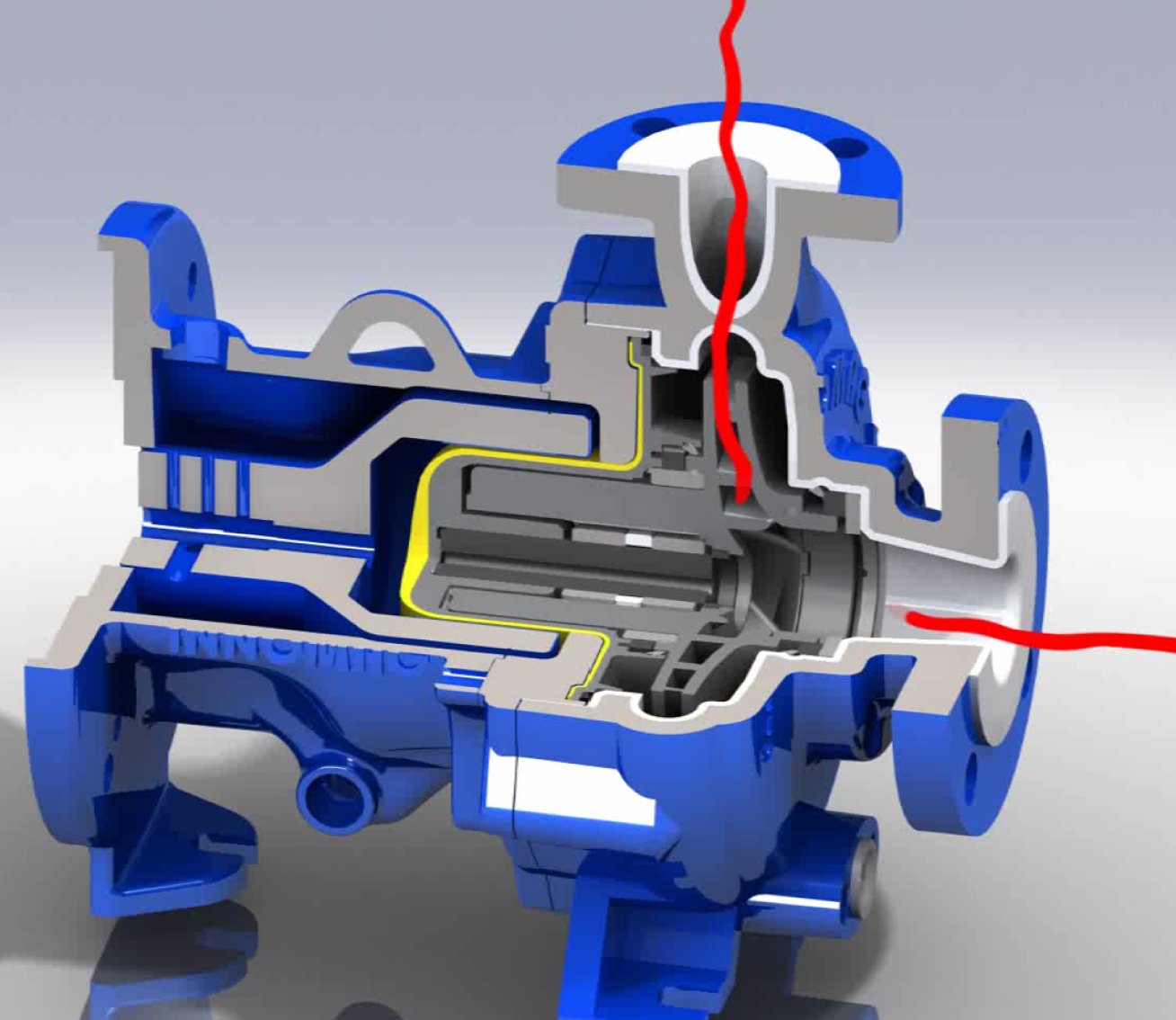
Strangely enough, seal-less pumps also have sealing elements. These consist of ring gaskets where a fixed seal is formed between the flange surfaces of the housing. The term seal-less refers to the pumping action of a seal-less pump. The fixed seal prevents wear caused by moving pump parts. The liquid is completely contained within the housing and is completely sealed in the pump chamber. Peristaltic pumps, magnetically coupled pumps, and air diaphragm pumps operate on this principle. As long as the wetted materials (materials in contact with the fluid) are chemically resistant to the transferred fluid, there is complete protection that guarantees completely leak-free operation.

Magnetically Coupled Pumps

The parts of the pump in contact with the fluid are usually made of non-metallic, metal-lined, or stainless steel material. An ETFE (Tefzel) sealed pump provides additional safety against corrosive substances, while also having the robustness and strength of a steel pump casing. Many magnetically coupled pumps operate for decades without any interruption. This robust pump principle normally operates smoothly. Under normal operating conditions, the only part that needs to be carefully inspected every two years is the bearings. The bearing system has a lifespan of approximately 5 years under normal operating conditions (working with clean fluid without abrasive wear).

The reliability of magnetically coupled pumps ensures that they are standard in many refineries and the chemical production industry. Magnetically coupled pumps are not suitable for transferring viscous fluids (> 250 cP) or fluids containing solid particles. In the transfer of such fluids, there is too much load on the magnets and bearings. When the fluid has high viscosity, there will be a flow loss in the magnetically coupled pump. Magnetically coupled pumps are also not suitable for fluids containing solid particles. The pumps can be damaged and break apart while transferring this fluid. A positive displacement pump is a better choice for these applications. Consider the production of paints and varnishes involving toxic cyanide compounds with high viscosity values!

Positive Displacement Pumps: A Suitable Alternative

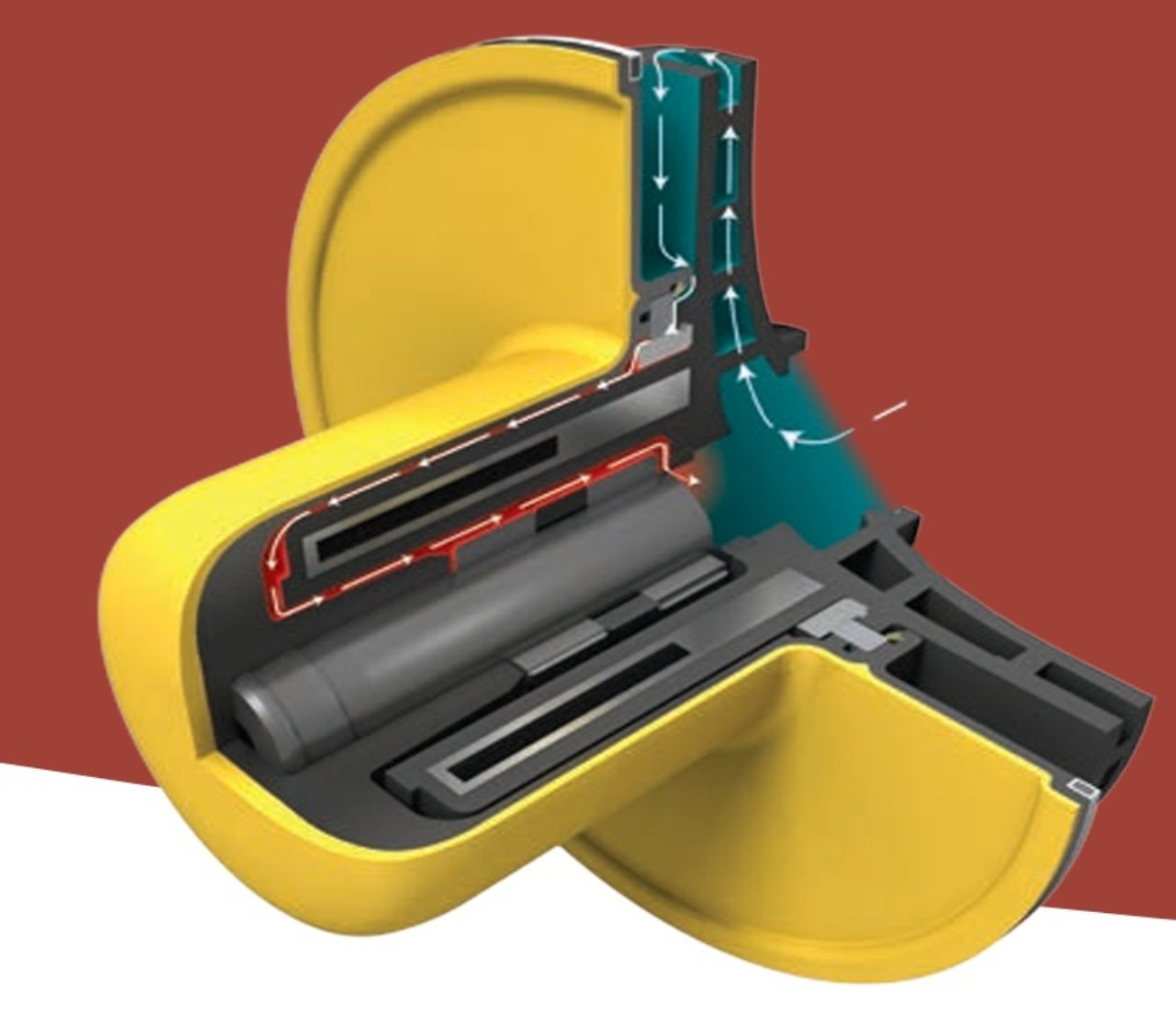
The hose-peristaltic pump is a good alternative for pumping hazardous chemicals. A flexible hose is placed around a rotor, and pressure is applied to the hose at specific points, allowing the fluid to be transferred completely safely without coming into contact with the environment (Figure 7). Lime can be given as an example of a strongly abrasive fluid. This fluid can be pumped completely safely with a hose pump. Due to the wide selection of hose materials such as rubber, nitrile, EPDM, and Hypalon, a peristaltic pump is also ideal for the transfer of Hypo (sodium hypochlorite).

At each revolution, the shoes press on the hose. The highly elastic yet durable composition of the hose provides an extremely long service life. Since there is no metal flexible hose, peristaltic pumps are not suitable for transferring solvents and other chemicals that rubber cannot withstand. A hose sensitive to wear will begin to disintegrate and leave its parts in the fluid.

Hose Pump

Only the hoses wear out and eventually need to be replaced. If a hose tears or disintegrates due to a problem, the fluid enters the pump housing. Normally, a pump housing is made of aluminum or cast iron. To prevent this, peristaltic pumps can be equipped with a hose burst detection system. This system measures the formation of pressure. The sensor measures this pressure and provides a notification. If the pump is left unattended and cannot be stopped immediately, the bearings, drive, and even the motor may be irreparably damaged.

These parts are only protected by a flanged seal. This seal breaks quickly when pressure builds up.

Air Diaphragm Pumps

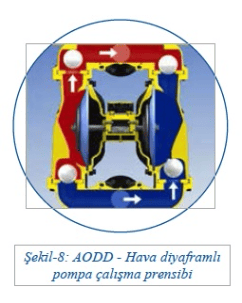
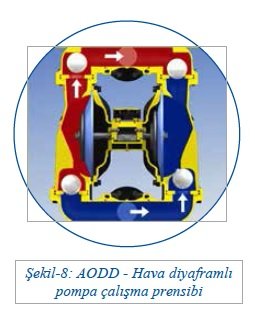
Air-operated diaphragm pumps (AODD pumps) are typically manufactured from PVDF, Polypropylene, or metal materials using injection molding techniques. These materials are resistant to solvents. However, there are chemicals for which standard materials may not be sufficient. This is related to temperature limitations, chemical resistance, or purchase costs.

The temperature limit for injection-molded (non-metal) AODD pumps is +90°C. Therefore, a non-standard material for the diaphragm is often required. PTFE (Teflon) is a good choice for solvents and chemicals. This diaphragm material prevents the liquid from entering the air chambers.

Air-Operated Diaphragm Pumps Machined from Solid Material

For transporting aggressive and corrosive fluids in hazardous environments, double-acting diaphragm pumps made from solid pure PTFE have been developed. These pumps are the safest solution for applications where safety is crucial. Pure PTFE is chemically inert, meaning it is chemically neutral and does not react with chemicals. With this type of pump, all chemicals and solvents can be pumped without any corrosion or leakage. In potentially explosive areas (ATEX environments), the pump can be manufactured from solid PTFE material with a small amount of carbon added. This modified material retains the same chemical properties; the added carbon makes the PTFE electrically conductive. This makes the pump suitable for use in accordance with ATEX 2014/34/EC guidelines.

CONCLUSION

Important facts to consider when selecting a pump for the transfer of hazardous chemicals are:

  • The necessity of choosing a pump that operates without leakage
  • The chemical resistance of the materials used against the chemicals to be transferred
  • A pump that is easy to operate safely
  • The ability to safely perform installation, inspection, and maintenance

As a definitive rule when pumping hazardous chemicals, depending on volume and viscosity:

- Medium volume, low and medium viscosity fluids ⇒ air-operated diaphragm pumps machined from solid material

- High volume thin fluids ⇒ magnetic coupling pumps

- High volume medium viscosity fluids ⇒ hose pumps

- High volume high viscosity fluids ⇒ mono pumps

However, most importantly, it is crucial to select the best pump according to the liquid properties of your process and consider the daily operating time of your pump. 24/7 operating conditions require a different pump principle. A thorough risk analysis will help ensure that the transfer of hazardous liquids is conducted safely and reliably.