SULZER

Sulzer is a global leader in vital applications for essential infrastructure and large-scale, critical industries worldwide.

By ensuring efficiency in energy security, natural resource management, and process industries, it guarantees the safety, quality, and resilience of critical products and services. This approach also contributes to providing sustainable solutions that support the transition to a circular economy.

Thanks to its integrated solutions, it is possible to achieve energy efficiency, reduce carbon emissions and environmental impacts, and improve process performance. Sulzer's approach, focused on innovation, performance, and quality, is supported by its strong network of 160 production facilities and service centers worldwide.

Sulzer is a long-established company with its headquarters in Winterthur, Switzerland, since 1834.

Sulzer offers a broad product portfolio for standard pump systems, specifically designed and configured for engineering solutions, as well as critical auxiliary equipment to complement these systems.

With its advanced technology products and solutions focused on high performance, reliability, and efficiency, Sulzer has a strong reputation in the industry. At Arpon, we bring Sulzer's innovative and reliable pump technologies to our customers.

How Do Centrifugal Pumps Work?

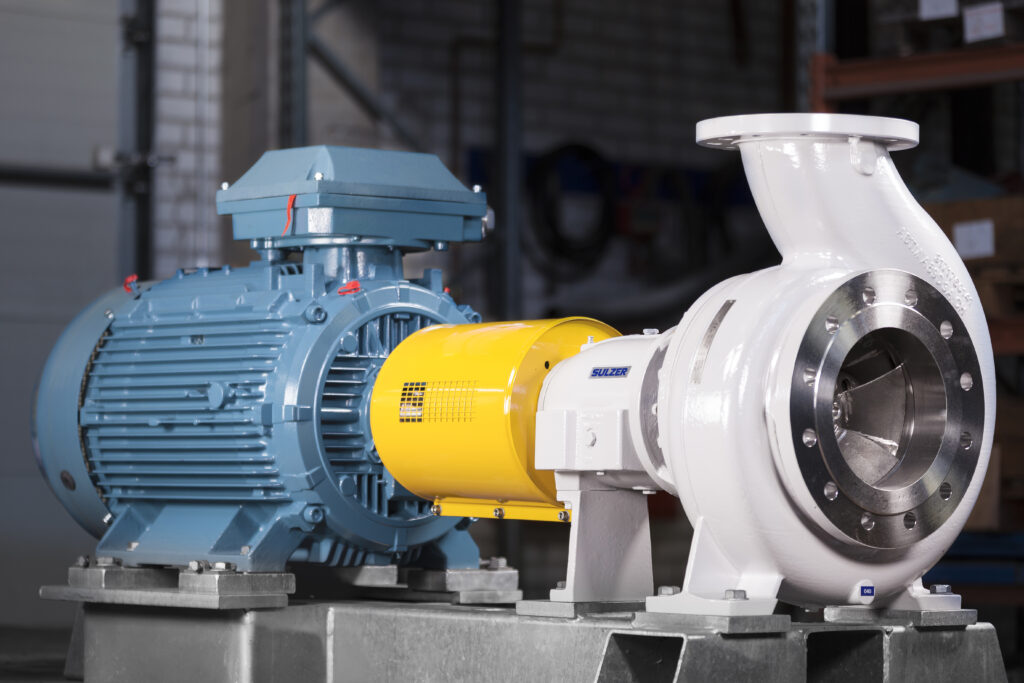
Centrifugal pumps are pumps that operate based on the rotodynamic principle. Thanks to these features, they are an ideal choice for transporting dirty and corrosive liquids.

Why Sulzer?

  • Global Experience and Long-Standing History
  • High Performance and Reliability
  • Energy Efficiency and Sustainability
  • Wide Product Range
  • Global Service Network

We confidently offer Sulzer's advanced engineering solutions to our customers, combined with Arpon's local expertise and technical support.

“Reliable experience across the entire industry: SULZER”

Operating Principle of Centrifugal Pump

A traditional centrifugal pump offers a highly efficient method for transporting low-viscosity liquids containing medium to small solid particles in large volumes. Models are also available that can handle more challenging liquids. Centrifugal pumps are pumps that operate based on the rotodynamic principle. Thanks to these features, they are an ideal choice for transporting dirty and corrosive liquids.

How Do Centrifugal Pumps Work?

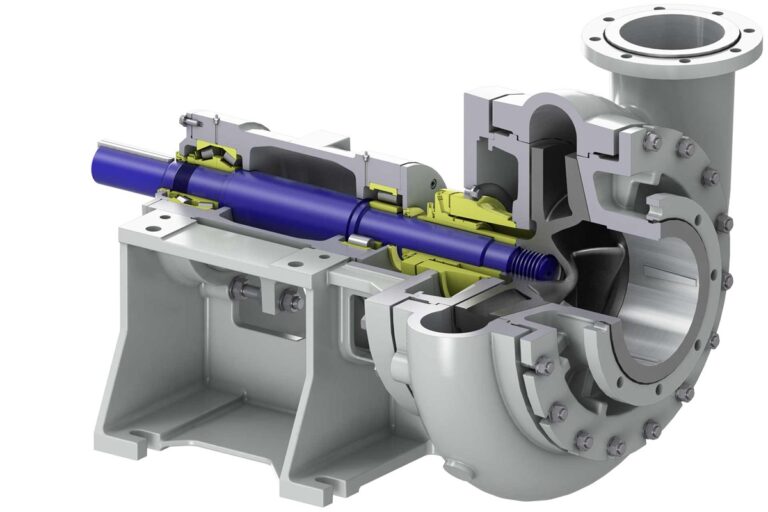
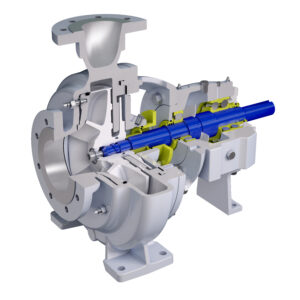
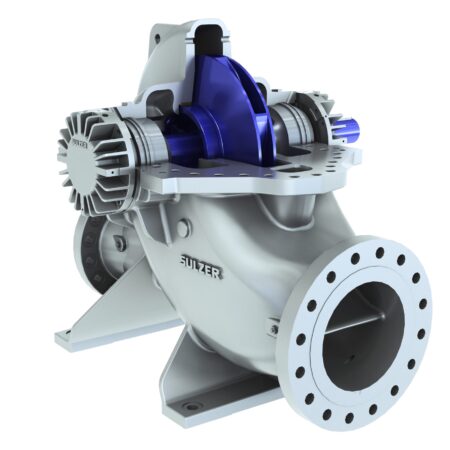
Centrifugal pumps work by transmitting the rotational movement it receives from the motor to the impeller. When the impeller rotates, centrifugal force is applied to the liquid, and the liquid is taken from the suction line and transported to the discharge line at high speed. During this process, the impeller blades give kinetic energy to the liquid, and this energy is converted into pressure energy inside the pump body.

The flow inside the pump takes place in a continuously liquid-filled structure, and thanks to this, centrifugal pumps offer long-lasting uninterrupted operation performance in many processes.

Centrifugal pumps; It is used reliably in a wide range of applications, from chemical processes to water transfer, from heating-cooling circuits to tank emptying operations. Thanks to their energy efficiency, flow continuity, and design options that can adapt to different liquids, they are among the most frequently preferred pump types in the industry.

Centrifugal Pump Types

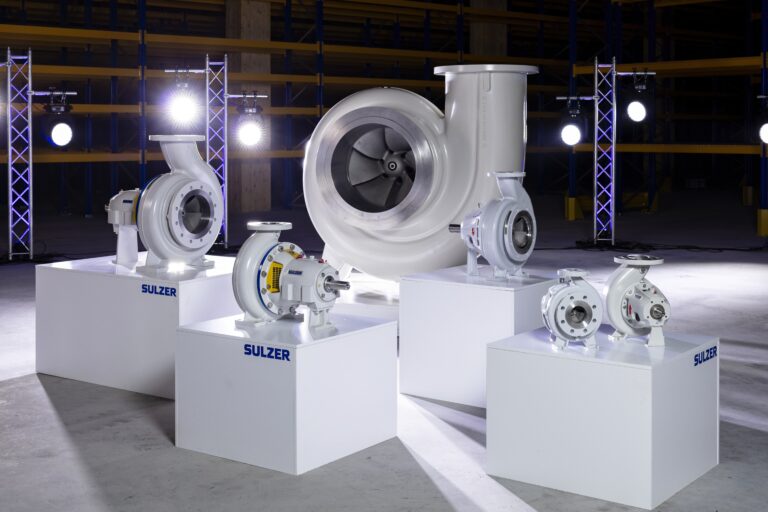
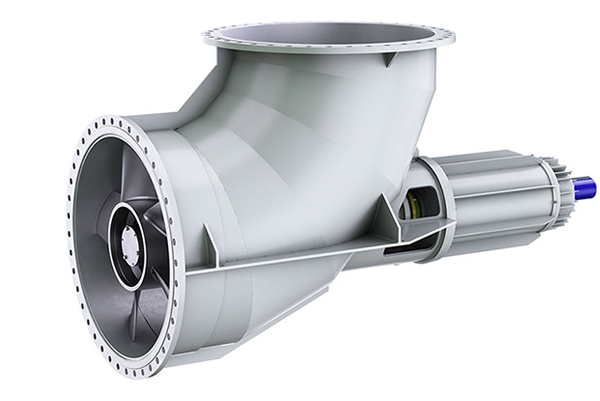
Centrifugal pumps are manufactured in many different types.

Some of them:

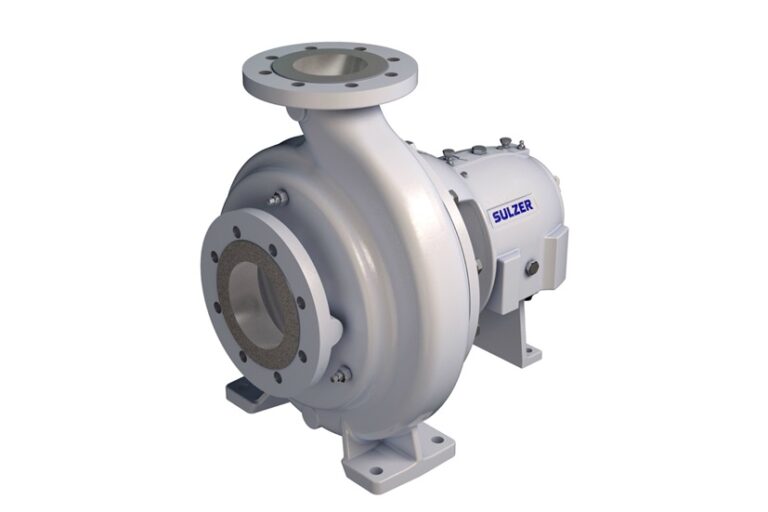
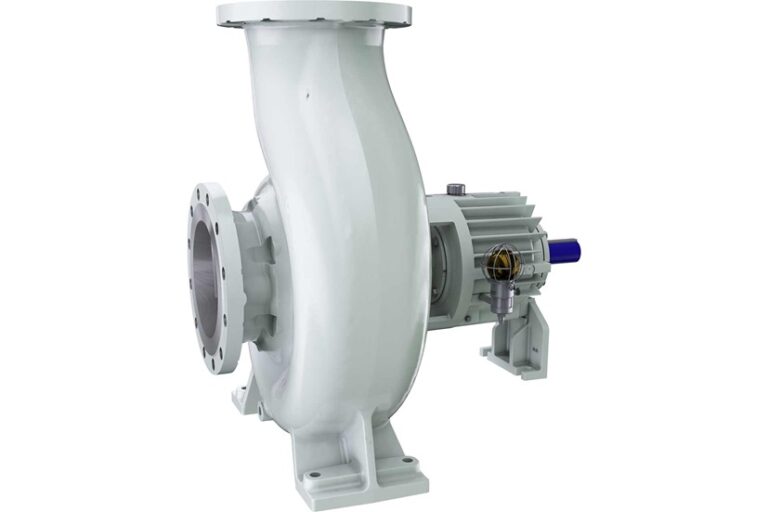
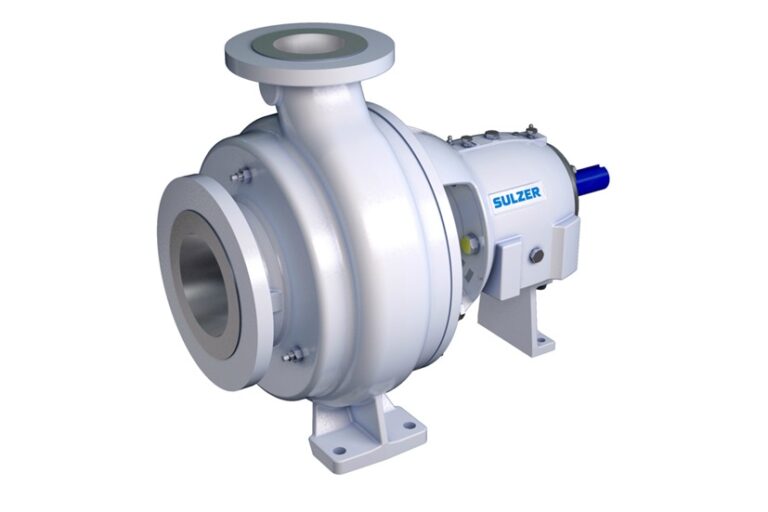
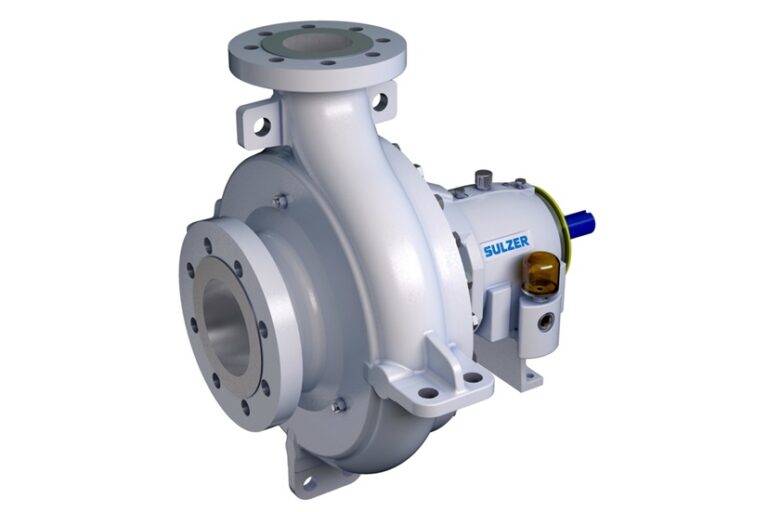
• End Suction centrifugal pumps
• In line Centrifugal
• Wet Rotor Centrifugal Pumps
• Multi-Stage Centrifugal Pumps
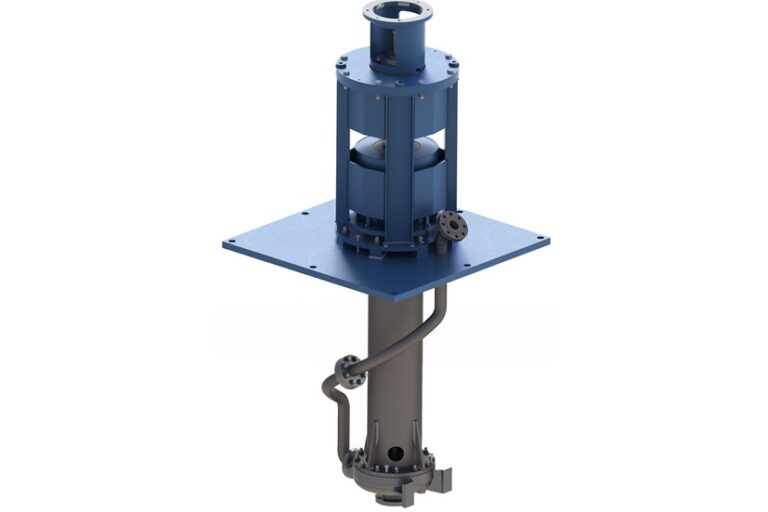
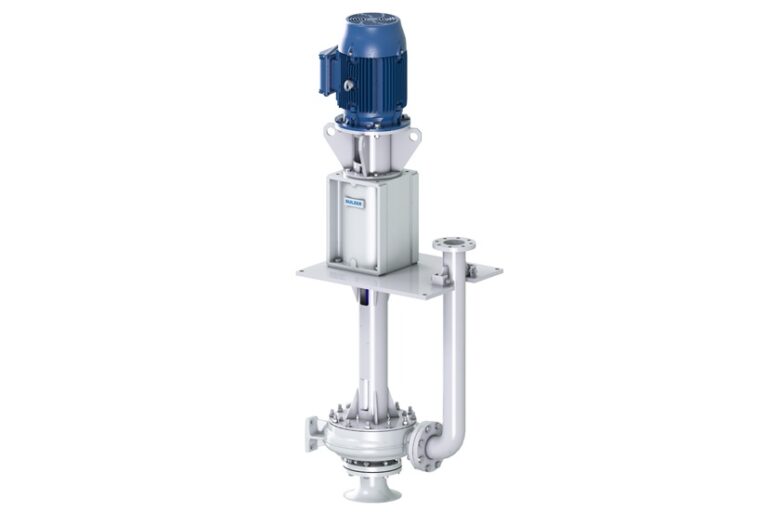
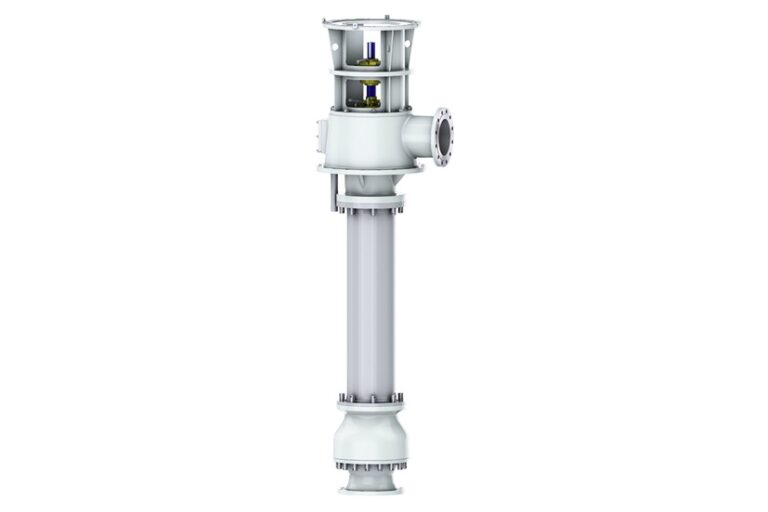
• Semi-Submersible and Submersible Pumps
• Self-Priming Centrifugal Pumps

Usage Areas of Centrifugal Pumps

Centrifugal pumps are versatile equipment that can adapt to different fluid types and process needs. It is one of the most preferred pump technologies in systems that require high flow rate, continuous flow, and energy efficiency.

Centrifugal pumps are widely used in the following applications:

* Water transfer and water distribution systems (clean water, process water, cooling water)
* Heating and cooling circuits (HVAC, district heating & cooling systems)
* Industrial process fluids (chemical, petrochemical, food, pharmaceutical, etc.)
* Urban and industrial wastewater transfer
* Tanker and storage tank filling/emptying operations
* Maritime applications (ballast, fire extinguishing, engine room circuits)
* Agriculture and irrigation systems
* Energy facilities and auxiliary operating systems

Depending on the application and fluid type; Optimum performance is ensured in every process with different body materials, impeller designs, and mounting configurations.

What Types of Liquids Can Centrifugal Pumps Transport?

Centrifugal pumps can handle many liquids with very different properties. However, since each liquid has its own unique properties, some pumps perform better for certain liquids than others.

For this reason, we recommend that you contact us for your specific liquid and the most suitable pump selection.