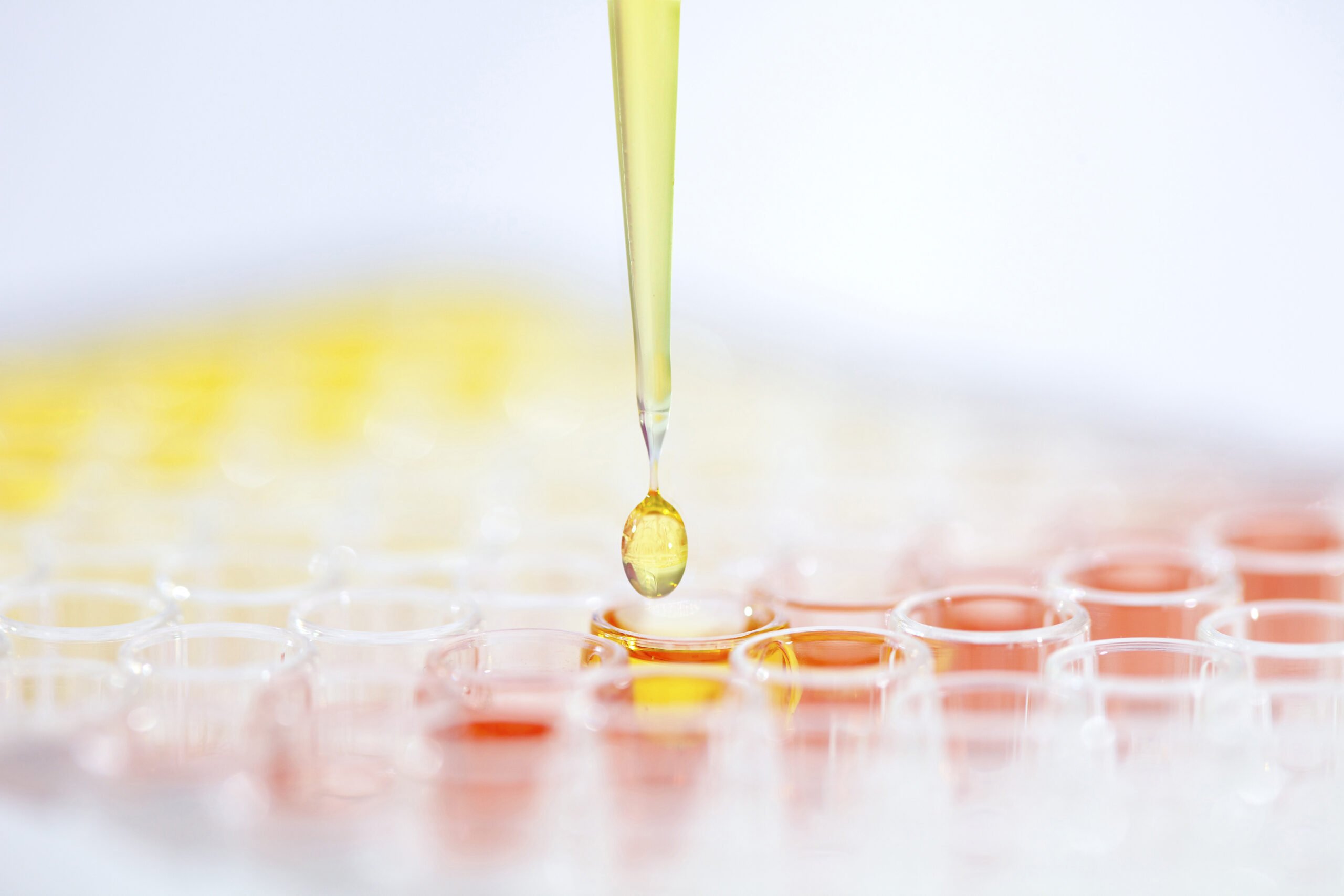
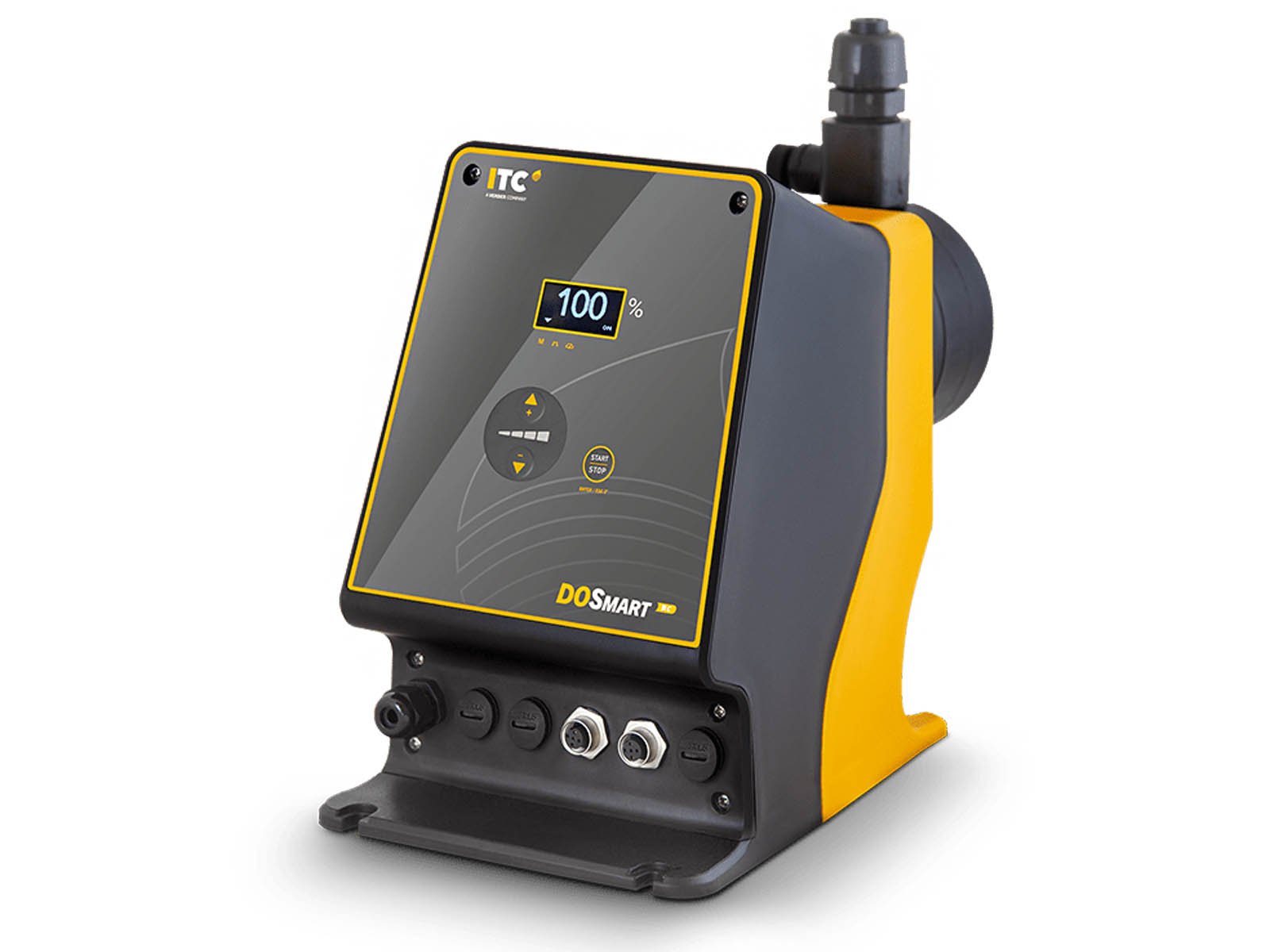
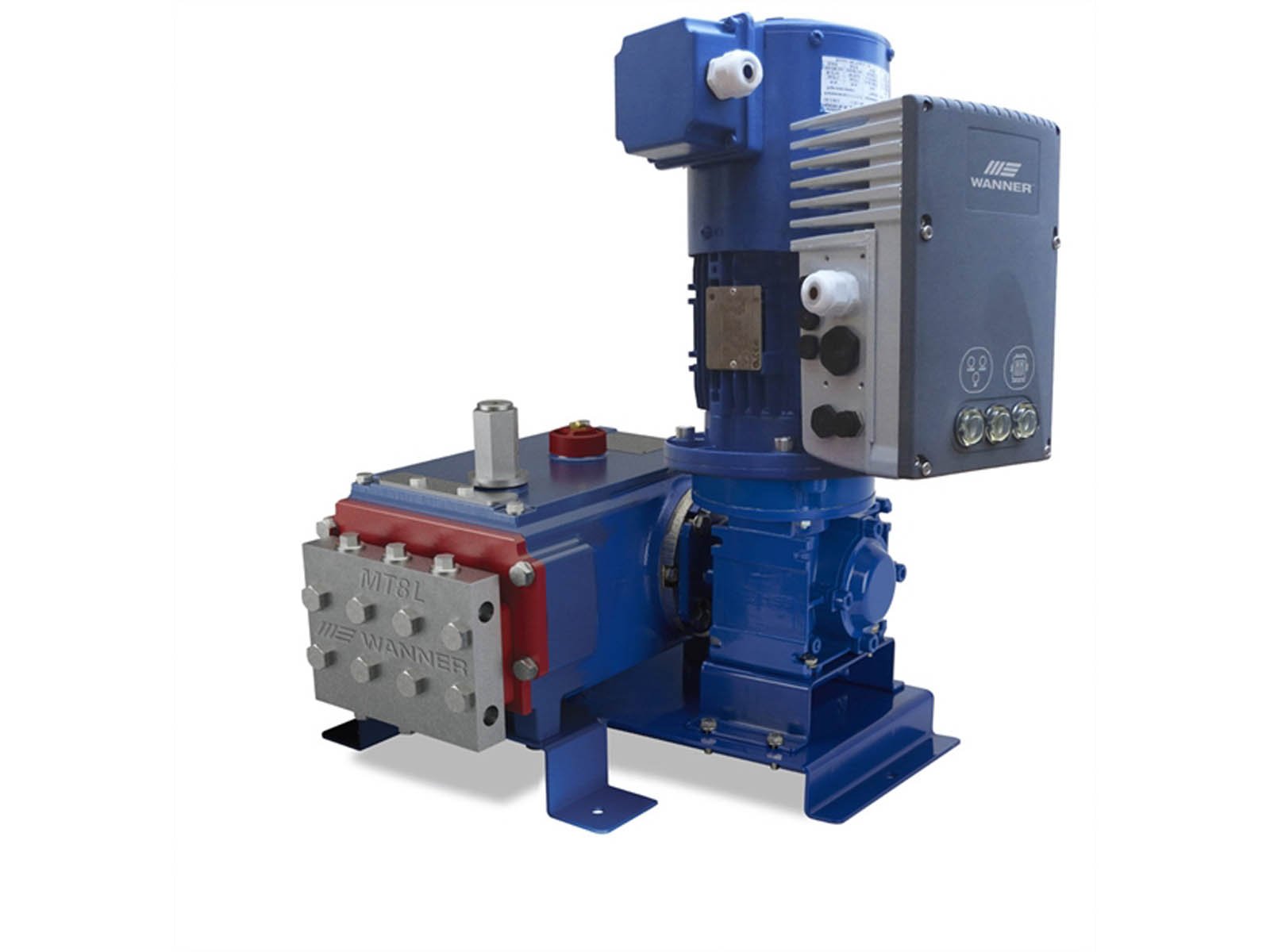
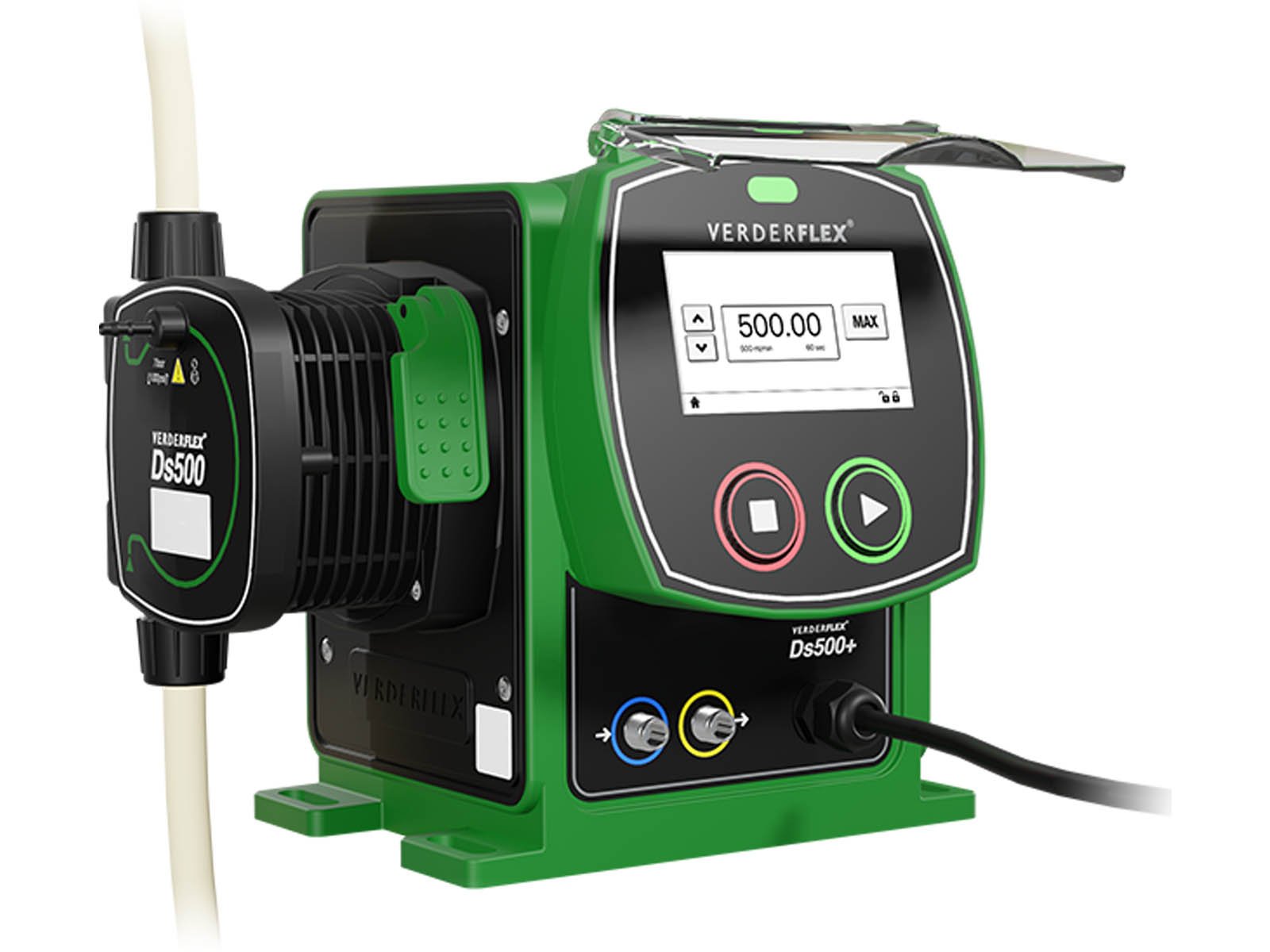
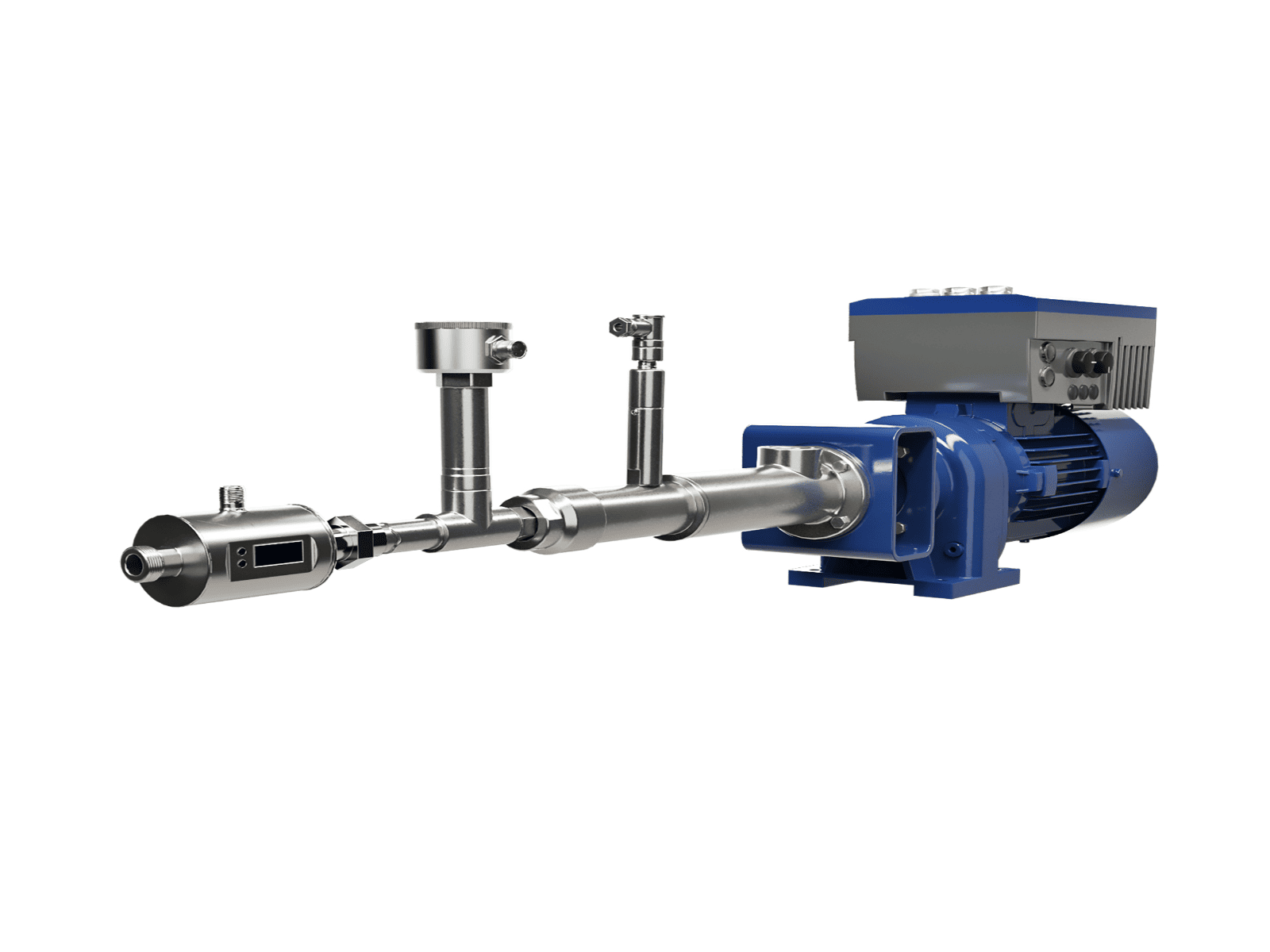
For example: In paint production, several liquid pigments are added to a specific base color to achieve the desired shade. Small deviations in dosage can make a difference in the final color. Therefore, the accuracy and repeatability of the dosing pump are critically important.
Dosing Pumps in Process Automation
Dosing pumps are also used in automated processes and advanced control systems.
It enables precise dosing of pH regulating chemicals in water treatment systems.
It is used for the controlled addition of disinfectants (e.g., sodium hypochlorite) to swimming pools and drinking water systems.
In industrial processes, it enables the precise measurement and adjustment of chemical dosages.
Modern dosing pumps can operate with a fully computerized system using digital network protocols such as WiFi, MODBUS, or PROFIBUS for remote monitoring and control.
Example: The dosage of a pH regulating chemical can be optimized by changing the stroke length or pump speed. This allows dosing pumps to respond quickly to both input and output signals and to work integrated with the system.
Which pump types are suitable for dosing?
In dosing applications, the fundamental requirement is to provide a precise, repeatable, and controllable flow rate. Therefore, centrifugal pumps are unsuitable for dosing because the flow rate varies depending on the pressure.
Positive displacement pump technologies are preferred for dosing applications.
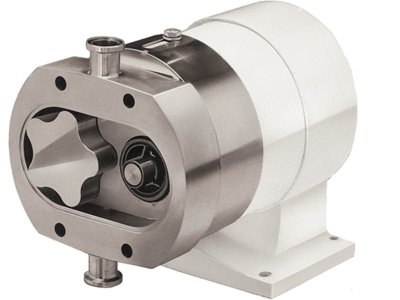
1) Rotary Positive Displacement Pumps
(Lobe Pump, Screw/Monopump)
In this group, pump capacity is directly proportional to the rotor's rotational speed .
Screw (Monopomp) Pumps
- Ideal for high-viscosity or polymer-based chemicals.
- Because the flow is vibration-free and uninterrupted , it is widely used in flocculant and polymer preparation systems .
- Thanks to their low shear properties, they do not disrupt the structure of polymer chains .
- However, at very low flow rates requiring precise dosing, dosing accuracy can be affected over time due to backflow and rotor-stator wear .
Lobe and Other Rotary Types
- Suitable for medium pressure and wider flow rate ranges.
- In applications where leak-proof sealing is required, additional equipment such as magnetic couplings may be necessary.
2) Piston Dosing Pumps
- Suitable for very low flow rates and high pressures .
- Not suitable for chemicals that crystallize or contain solid particles.
- It is not resistant to dry running ; there is a risk of damage to the sealing elements.
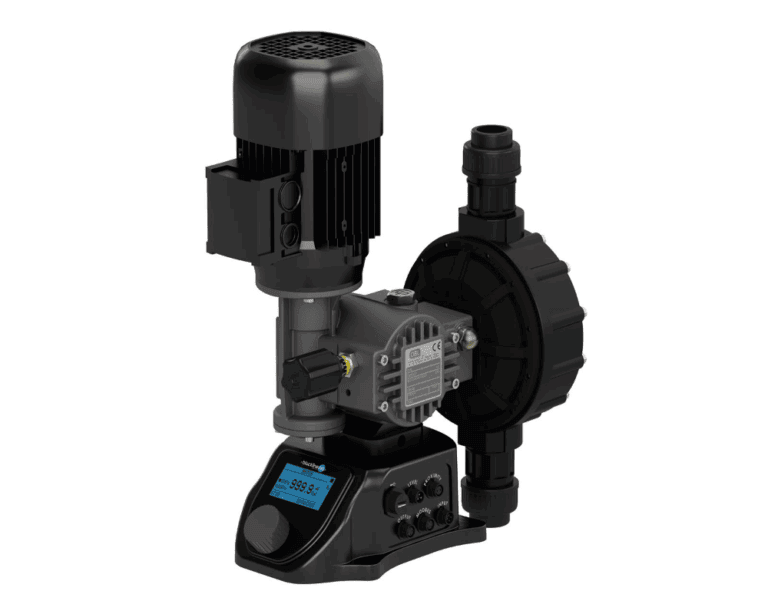
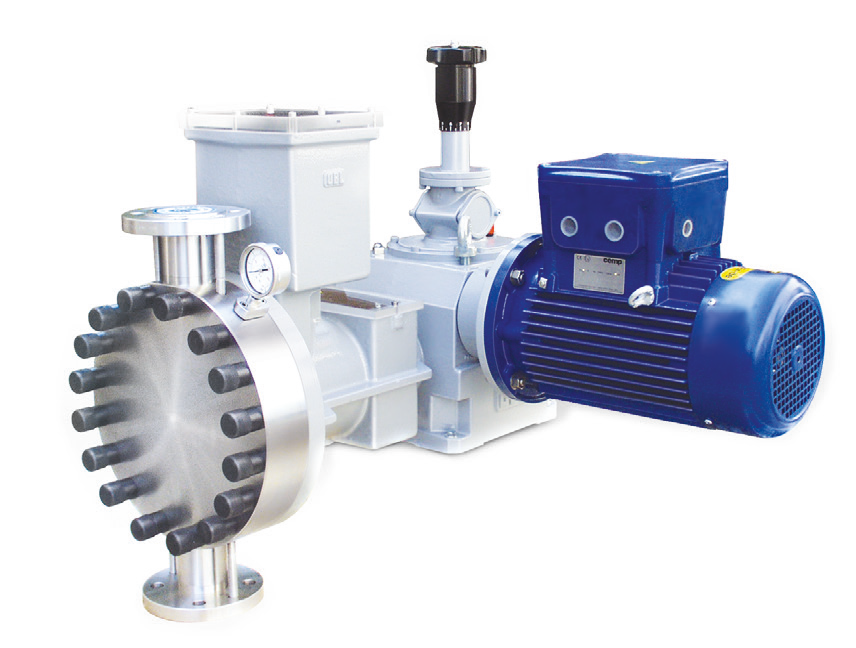
3) Diaphragm Dosing Pumps
- It ensures high precision , leak-free operation , and a complete seal .
- A wide pressure range is available, from 20 bar to 400 bar .
- Chemical dosing is one of the most ideal solutions for drinking water treatment, pharmaceutical processes, and industrial water treatment.
4) Peristaltic (Tube) Pumps
- The fluid only comes into contact with the hose ; there is no risk of contamination.
- It easily pumps corrosive and concentrated chemicals .
- It can run dry and has low maintenance costs.
- It is generally preferred in systems with pressures below 16 bar .
Next Generation: Industry 4.0 Compliant Dosing Systems
For example, Verderflex Vantage 5000 :
- Remote control and data monitoring via WiFi and app connectivity.
- Optimizing chemical consumption by comparing work trends.
- Alarm and maintenance scheduling notifications
- Traceable process records (critical especially in drinking water, pharmaceutical and phosphorus dosing applications)
Three Key Criteria for Correct Dosage
Criterion | Description |
Sensibility | The pump must be able to deliver the target flow rate without deviation. |
Repeatability | The same set of values should produce the same result in every run. |
Stable Operating Range | The pump must maintain dosing quality across a wide speed range. |
An Ideal Dosing Pump:
- It must be leakproof.
- It should not leak back.
- It must demonstrate stable performance at both low and high flow rates.
Result
Choosing the right dosing pump:
- It optimizes chemical consumption .
- It reduces operating costs .
- It increases process reliability .
- It minimizes error rates.
Diaphragm and peristaltic pumps are the most widely used solutions for precise chemical dosing.
Screw (monopomp) pumps play a critical role, especially in polymer and flocculant dosing.